
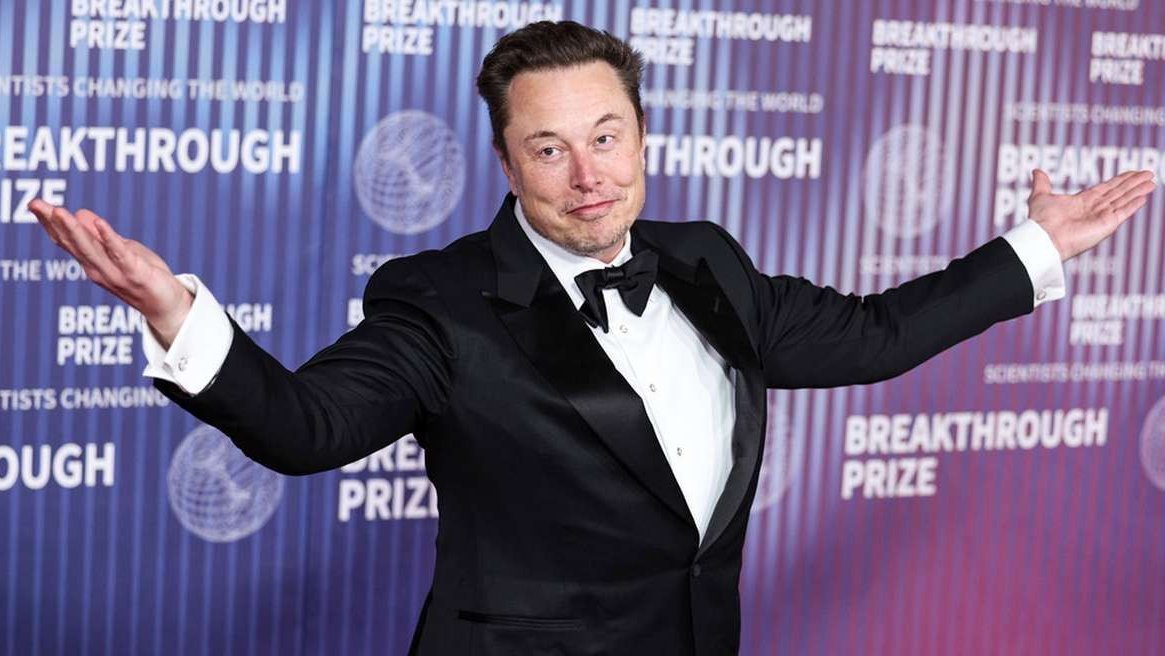
Inside Tesla and SpaceX: Elon Musk’s business empire is entering a potentially transformative phase as Tesla and SpaceX explore a possible merger, Tesla expands its autonomous robotaxi operations, and SpaceX prepares for another major Starship milestone. These developments highlight Musk’s broader ambitions to connect artificial intelligence (AI), autonomous transportation, robotics, and space exploration.
During SpaceX’s third-quarter earnings call, Musk confirmed that Tesla and SpaceX were engaged in formal discussions about a potential merger. Meanwhile, Tesla’s Cybercab and Model Y robotaxi fleets are expanding across Austin, Texas, and SpaceX is preparing for Starship Flight 15, which could demonstrate a major advancement in rocket reusability.
Together, these developments could reshape the future of transportation, technology, and commercial spaceflight.
1. Tesla and SpaceX Merger Talks: What Is Driving the Potential Deal?
The possibility of combining Tesla and SpaceX has attracted considerable attention because both companies operate at the forefront of technological innovation. Although Musk confirmed that discussions were underway, a merger has not been finalized, and significant financial and governance questions remain.
Managing Conflicts of Interest
One of the biggest challenges involves Musk’s leadership roles across multiple companies. Because he influences both Tesla and SpaceX, negotiations require safeguards to ensure that each company’s interests are independently represented.
To address this issue, independent special committees have been established to oversee discussions. Musk has described the arrangement as an unusual process, emphasizing the complexity of negotiating a potential transaction between businesses under his leadership.
Although Musk believes a merger could make strategic sense, the companies still need to establish acceptable terms and determine whether the transaction would benefit their respective shareholders.
Combining Electric Vehicles, Robotics, and Space Technology
A potential merger could bring together several complementary technologies.
Tesla contributes electric vehicles, battery technology, autonomous driving systems, large-scale manufacturing, and its developing Optimus humanoid robot program.
SpaceX brings reusable rockets, orbital launch capabilities, and Starlink satellite connectivity. Its broader AI ambitions could also create opportunities to combine computing infrastructure with Tesla’s autonomous driving and robotics development.
The result could be a powerful technology ecosystem connecting electric mobility, artificial intelligence, satellite communications, and space exploration.
AI Computing and Financial Scale
Another possible motivation involves the enormous computing resources required to train advanced AI systems.
Tesla needs substantial computing capacity to develop its Full Self-Driving (FSD) technology and improve its neural networks. Access to additional infrastructure could potentially accelerate these efforts.
However, combining the companies would not automatically guarantee greater computing efficiency. Any benefits would depend on how infrastructure, funding, intellectual property, and operational responsibilities were integrated.
The proposed transaction would also face a major shareholder hurdle. Corporate governance requirements, independent evaluations, and shareholder approval could all influence whether a deal moves forward.
2. Tesla Cybercab Swarms Expand Across Austin
While merger discussions continue, Tesla is also working to expand its autonomous transportation operations.
Austin has become an important testing and deployment location for the company’s robotaxi strategy, which aims to provide transportation services using autonomous vehicles.
Cybercabs Take Center Stage During Formula 1 Weekend
During the Formula 1 United States Grand Prix weekend at the Circuit of the Americas in Austin, Tesla reportedly expanded its robotaxi operating area to include the racing venue.
The company also extended operating hours to accommodate passengers attending the event.
Observers reported seeing more than 50 Cybercab and Model Y vehicles transporting visitors in coordinated groups. The activity highlighted how a larger autonomous fleet could potentially serve high-demand locations during major sporting events.
Such occasions provide valuable opportunities to evaluate vehicle availability, passenger demand, routing efficiency, and fleet coordination.
However, the long-term success of robotaxis will depend on more than the number of vehicles deployed. Safety, reliability, regulatory compliance, and consistent service quality will remain essential.
Robotaxi Fleet Registrations Continue to Grow
Texas vehicle registration figures cited in the supplied report suggest that Tesla’s robotaxi footprint has expanded significantly.
The reported numbers began at approximately 45 Cybercabs in early September before increasing through subsequent registration batches. The combined regional footprint reportedly approached 970 registered vehicles, including Model Y variants.
These figures should be interpreted carefully because vehicle registrations do not necessarily indicate how many vehicles are actively providing commercial rides.
Nevertheless, expanding the fleet could help Tesla gather more real-world operating data and evaluate how autonomous transportation performs under different traffic and weather conditions.
Dallas Expansion Could Be the Next Milestone
Following its Austin operations, Tesla is reportedly preparing to introduce Cybercab ride services in Dallas, with additional city launches planned before the end of 2026.
Expanding into new markets would test whether Tesla can replicate its operating model beyond its initial deployment areas.
For the company, the broader objective is to establish a scalable transportation network capable of connecting autonomous vehicles with passengers through digital platforms.
If successful, Tesla’s robotaxi business could become an important part of its long-term growth strategy.
3. SpaceX Starship Flight 15: The Next Reusability Milestone
SpaceX is simultaneously advancing its Starship development program at Starbase in South Texas.
Following earlier flight-test milestones, attention has shifted toward Starship Flight 15, with preparations focused on improving vehicle performance and demonstrating more ambitious recovery capabilities.
Super Heavy Booster Completes Static Fire Testing
According to the supplied report, Super Heavy Booster 22 completed a full-duration static fire test on October 25.
The test involved firing all 33 Raptor engines for approximately 15 seconds while the booster remained secured to the launch pad.
Static fire tests allow engineers to evaluate propulsion performance, vehicle systems, and launch readiness before an actual flight.
The results help identify potential problems and verify that critical systems operate as expected under demanding conditions.
Such testing is particularly important for Starship because its design depends on powerful propulsion systems and the coordinated operation of numerous engines.
Attempting a Dual-Stage Tower Catch
One of the most ambitious objectives associated with Flight 15 is the potential recovery of both major vehicle stages.
SpaceX has previously demonstrated the mechanical recovery of a Super Heavy booster using its launch tower. The next major step described in the supplied report involves attempting to recover the booster and the upper-stage Starship using the tower’s catching mechanism.
The planned upper-stage vehicle is identified as Ship 42.
If successfully demonstrated, this approach could represent an important advancement toward recovering the complete launch system.
The broader objective is rapid reusability. Recovering and reusing both stages could eventually reduce refurbishment requirements, improve launch frequency, and lower the cost of accessing space.
However, a dual-stage recovery attempt involves substantial technical challenges. Both vehicles must execute precise flight maneuvers, maintain control, and reach their intended recovery positions.
The planned catch should therefore be understood as a development objective rather than a guaranteed outcome.
Starship Flight 16 and Florida Infrastructure
SpaceX is also preparing additional infrastructure at Launch Complex 39A in Florida to support future Starship operations.
The supplied report identifies Flight 16 as a potential December milestone, although launch schedules can change as testing progresses.
Developing additional launch infrastructure could help SpaceX increase its operational flexibility and support a higher launch cadence.
Combined with improvements in manufacturing and vehicle recovery, these preparations reflect the company’s long-term objective of making Starship a reusable transportation system for missions beyond Earth orbit.
4. What These Developments Mean for the Future
The potential Tesla-SpaceX merger, expanding robotaxi operations, and Starship development represent three different parts of Musk’s broader technology strategy.
A merger could create opportunities to coordinate AI computing, manufacturing, robotics, and aerospace capabilities. However, its actual benefits would depend on the transaction’s structure, financial terms, and regulatory requirements.
Meanwhile, Tesla’s robotaxi expansion provides an opportunity to test autonomous transportation at a larger scale. Successful deployments could strengthen the business case for driverless mobility, provided the company can meet safety and regulatory expectations.
SpaceX’s Starship program addresses a different challenge: making large-scale space transportation more reusable and economically sustainable.
The common theme is technological scalability. Tesla is attempting to scale autonomous mobility, while SpaceX is working to scale reusable launch operations. A potential corporate combination could connect these ambitions, but it would also introduce complex financial, operational, and governance considerations.
Conclusion
Elon Musk’s companies are pursuing ambitious goals across electric vehicles, artificial intelligence, autonomous transportation, and space exploration.
The proposed Tesla and SpaceX merger could create new opportunities for collaboration, although negotiations remain subject to major uncertainties. Tesla’s growing robotaxi presence in Austin demonstrates its push toward autonomous mobility, while Starship Flight 15 could mark another important step toward recovering and reusing both stages of a launch vehicle.
Ultimately, the significance of these developments will depend on execution rather than ambition alone. Shareholder approval, autonomous driving performance, engineering reliability, and successful rocket recovery will determine how much progress these initiatives deliver.
For now, Tesla and SpaceX remain at the center of an evolving technological landscape that could influence the future of transportation on Earth and access to space.
FAQs
1. Are Tesla and SpaceX planning to merge?
Tesla and SpaceX are reportedly in formal discussions about a potential merger, according to the supplied report. However, no finalized merger agreement has been announced in the material provided, and the companies would need to resolve financial, governance, and shareholder approval requirements.
2. Why would Elon Musk want to merge Tesla and SpaceX?
A potential merger could create opportunities to combine Tesla’s electric vehicles, autonomous driving technology, and robotics with SpaceX’s reusable rockets, satellite communications, and aerospace expertise. Greater collaboration could also support AI development and large-scale computing infrastructure.
3. What challenges could prevent a Tesla and SpaceX merger?
Major challenges could include conflicts of interest, company valuations, shareholder approval, regulatory scrutiny, and corporate governance requirements. Both companies would need to demonstrate that a transaction serves their shareholders’ interests.
4. How would a Tesla-SpaceX merger benefit artificial intelligence development?
Combining computing resources and AI expertise could potentially help Tesla train its Full Self-Driving neural networks and develop autonomous robots. However, the actual benefits would depend on how the companies integrate their infrastructure, technology, and operations.
5. What role does Tesla’s Optimus robot play in the company’s future?
Tesla Optimus is a humanoid robot designed to perform certain physical tasks. Tesla aims to develop robots capable of assisting with repetitive or potentially hazardous work in industrial and other environments. Advances in AI, robotics, and manufacturing could influence its future capabilities.
6. What are Tesla Cybercabs?
Tesla Cybercab is an autonomous electric vehicle developed for the company’s robotaxi ambitions. It is intended to support driverless transportation services, although its commercial deployment and operating capabilities depend on technological readiness, safety requirements, and regulatory approval.
7. Why did Tesla expand its robotaxi operations during the Formula 1 weekend in Austin?
The Formula 1 United States Grand Prix attracted large crowds to Austin, creating an opportunity to serve passengers traveling to and from the event. Expanding the operating area and hours could help Tesla evaluate how its robotaxi fleet performs during periods of increased transportation demand.
8. How many Tesla robotaxis were reportedly registered in Texas?
According to the supplied report, Tesla’s combined regional robotaxi footprint approached 970 registered vehicles, including Cybercab and Model Y variants. However, registration figures do not necessarily represent the number of vehicles actively providing robotaxi rides.
9. Is Tesla planning to expand its Cybercab service to Dallas?
The supplied report indicates that Tesla was preparing to introduce Cybercab ride services in Dallas, with additional city launches planned before the end of 2026. Actual launch dates and service availability may change as testing and regulatory preparations continue.
10. What is SpaceX Starship Flight 15?
Starship Flight 15 is a planned test flight in SpaceX’s Starship development program. The mission is intended to advance vehicle performance and recovery capabilities as the company works toward developing a fully reusable launch system.
11. What is a static fire test in the Starship program?
A static fire test involves igniting a rocket’s engines while the vehicle remains secured to the launch pad. Engineers use the test to evaluate engine performance, propulsion systems, and other critical hardware before attempting a launch.
12. How many engines does the Super Heavy booster use?
The Super Heavy booster is designed to use 33 Raptor engines. These engines provide the thrust needed to lift Starship from the launch pad and accelerate the vehicle during the early stages of flight.
13. What is the dual-stage tower catch planned for Starship Flight 15?
The proposed dual-stage recovery objective involves catching both the Super Heavy booster and the upper-stage Starship using the launch tower’s catching mechanisms. If successfully demonstrated, this would represent an important step toward recovering both stages of the launch system.
14. Why is Starship reusability important for SpaceX?
Rocket reusability could reduce launch costs, limit the need to manufacture replacement vehicles, and support more frequent missions. Recovering and reusing both Starship stages would be an important step toward making large-scale space transportation more economical.
15. How could the Tesla-SpaceX merger, Cybercab expansion, and Starship development shape the future?
These initiatives represent different approaches to technological scalability. Tesla is advancing electric vehicles, autonomous transportation, and robotics, while SpaceX is developing reusable rockets and space infrastructure. Greater collaboration could create new opportunities, but commercial success will depend on engineering progress, financial decisions, safety, and regulatory approval.
Read More:
- Grok Bot users hit with weekly limits early, Elon Musk explains what happened
- SpaceX’s Starfall just went from secret to storefront
- Elon Musk Unveils Tesla Optimus Gen 3 Homemaker Robot for 2027
- SpaceX’s Moonbase Alpha: The Future of Lunar Living
- 2027 Tesla Bot Gen 3 LEARNS 500 INSANE Tasks! AMAZING Upgrade
1 thought on “Inside Tesla and SpaceX: The Mega-Merger Talks, Cybercab Swarms, and Starship Flight 15”