
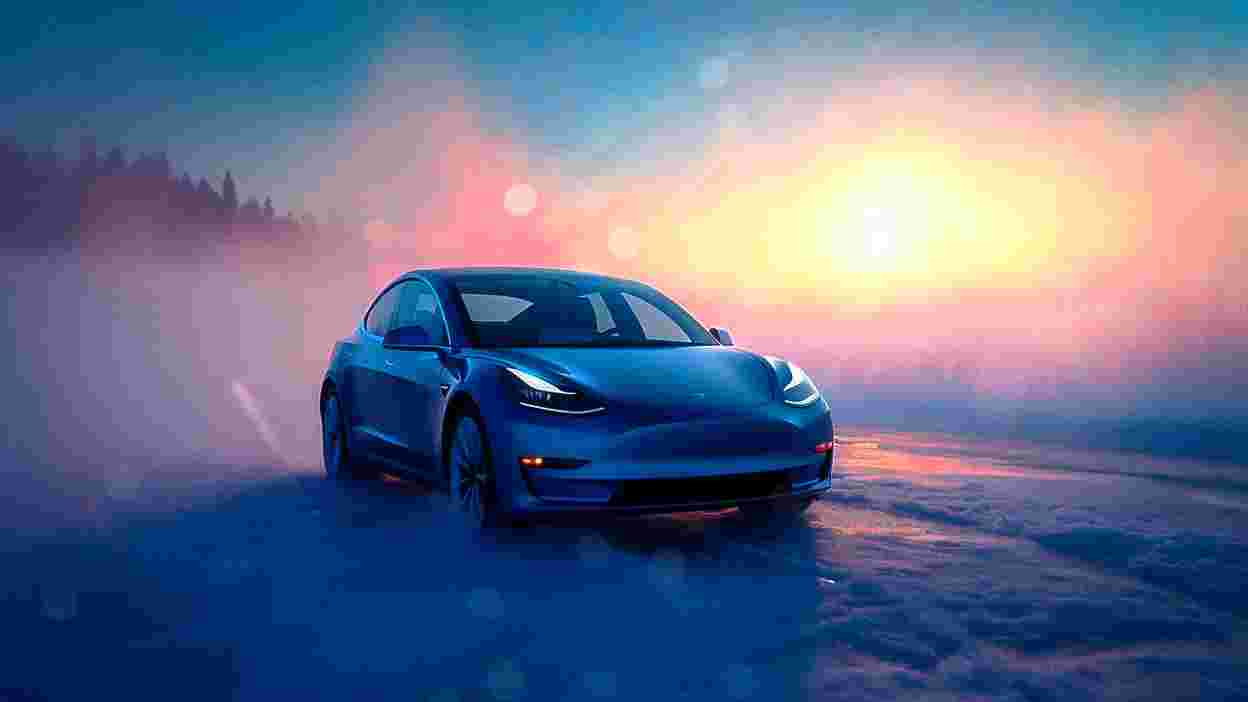
The used car market in the United States is changing, quietly but decisively. There are no dramatic headlines, no emergency alerts, no viral breaking news banners. Yet beneath the surface, a behavioral shift is unfolding that could permanently redefine how Americans buy cars.
At the center of this shift is a car that doesn’t even exist on the road yet: the Tesla Model 2, scheduled for release in the second half of 2026. And paradoxically, its absence is exactly what’s causing the disruption.
Consumers are no longer rushing. They are pausing, rethinking, recalculating, and—most importantly—waiting. And in an industry that has always thrived on urgency, hesitation is revolutionary.
The Invisible Benchmark Changing the Used Car Market
The Tesla Model 2 has become an invisible benchmark. It doesn’t need to be test-driven, reviewed, or parked in a showroom. Its promise alone is enough to reshape expectations.
For decades, buying a used car was almost automatic for budget-conscious buyers. It was the default option. But today, many consumers are asking a new question:
“Why buy a used car full of uncertainty when a predictable, low-maintenance alternative is right around the corner?”
That single question is slowing the entire market.
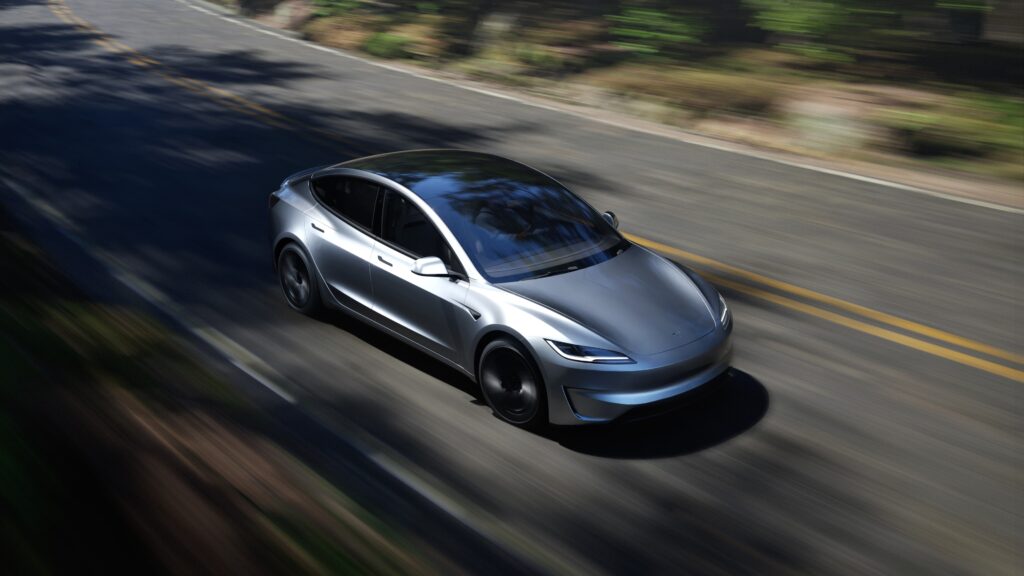
Why Buyers Are Suddenly Hesitating
From impulse to intention
Used car sales historically relied on speed. The fear of missing out. The “someone else will buy it today” mentality. That psychology is fading.
Instead, buyers are:
- Visiting the same dealership multiple times
- Researching long-term ownership costs
- Asking deeper technical questions
- Leaving without closing deals
Salespeople are noticing stalled negotiations at unprecedented levels. Deals that once closed in hours now take weeks—or never happen at all.
This is not because buyers lack money. It’s because they have foresight.
Liquidity: The Silent Indicator of Market Stress
While prices haven’t collapsed, something more telling has happened: liquidity has dropped.
Between 2023 and 2025, the average time to sell a used car in the U.S. increased from just over one month to nearly two months. That’s not a small delay. It’s a signal of uncertainty.
What this really means
- Inventory sits longer on lots
- Capital is tied up
- Dealer costs increase
- Sellers grow anxious
Yet prices only fall modestly—usually 2% to 4% at a time. Sellers are reluctant to cut aggressively, hoping demand will recover.
The result? A market pressing the brake and accelerator at the same time.
Why This Isn’t a Price Crisis — It’s a Confidence Crisis
If this were a traditional downturn, prices would crash. But they haven’t. That tells us something critical:
The pressure isn’t external. It’s psychological.
Buyers aren’t rejecting used cars because they’re unaffordable. They’re hesitating because they don’t trust what comes next.
And nothing undermines confidence more than the fear of:
- Electrical failures
- Hidden defects
- Unexpected $5,000 repairs
- Intermittent problems no mechanic can reproduce
The Tesla Model 2 amplifies this fear—not by attacking used cars directly, but by offering a future with fewer surprises.
The Rise of the Rational Buyer
The consumer of 2026 is fundamentally different from the buyer of five years ago.
Today’s buyer is:
- More informed
- More cautious
- More strategic
- More long-term focused
Impulse has given way to analysis. Emotion has been replaced by spreadsheets. And urgency has been replaced by patience.
Before buying, people now ask:
- What does maintenance look like after year three?
- How reliable is the electrical system?
- What are the hidden risks?
- How much will this car really cost over five years?
This shift has a name: rationality.
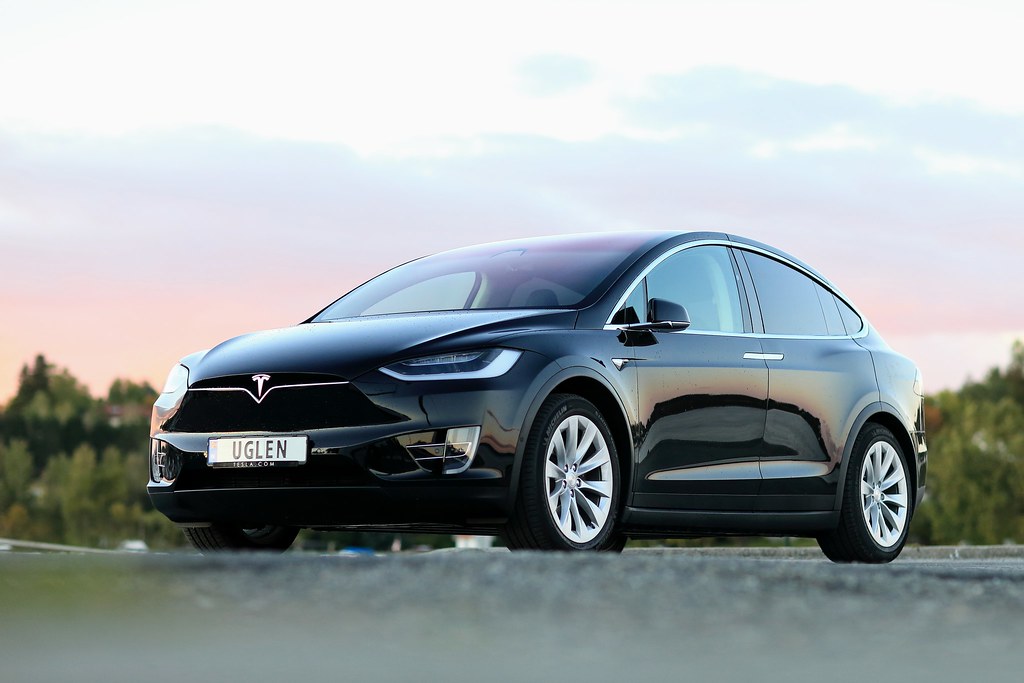
The Tesla Effect Without Advertising
What makes this transformation remarkable is that Tesla isn’t even advertising the Model 2 aggressively. There’s no massive campaign claiming it will “destroy the used car market.”
Instead, the influence spreads through:
- Online forums
- YouTube breakdowns
- Word of mouth
- Casual conversations
People talk about the Model 2 as if it already exists.
“When it launches, I want to see it up close.”
“I’ll wait and compare.”
And every person who waits removes momentum from the used car market.
Why Used Cars Are Losing Their Advantage
For years, used cars won on one thing: price.
But now, buyers understand something crucial:
Cheap upfront can be expensive long-term.
A used car that costs $5,000 less loses its appeal if:
- One repair wipes out the savings
- Electrical issues become recurring
- Reliability declines after 100,000 km
The conversation has shifted from purchase price to total cost of ownership.
And in that conversation, used cars are starting to lose ground.
The Electrical Nightmare Everyone Remembers
Ask anyone who’s owned a problematic used car, and you’ll hear the same stories:
- Dashboards flickering randomly
- Cars stalling without warning
- Errors that vanish when inspected
- Mechanics saying, “Right now, it’s normal”
These intermittent electrical faults are the most frustrating problems a car can have. They’re expensive, time-consuming, and emotionally draining.
And this is exactly where the Tesla Model 2 changes the game.
48V Architecture and Centralized Electronics
Why this matters more than people realize
Traditional cars often contain over 150 ECUs (Electronic Control Units), scattered throughout the vehicle. Each ECU means:
- More wiring
- More connectors
- More failure points
The Model 2 adopts a centralized zonal electrical architecture built around a 48V system.
The benefits are massive
- Fewer ECUs
- Shorter wiring distances
- Less signal interference
- Simpler diagnostics
- Lower repair costs
Fewer components mean fewer things can go wrong. And when something does fail, it’s easier—and cheaper—to fix.
This isn’t marketing hype. Brands like BMW and Rivian have already proven that centralized architectures:
- Reduce wiring by over 1.5 kilometers
- Lower vehicle weight
- Improve long-term reliability
Tesla is simply pushing the concept further.
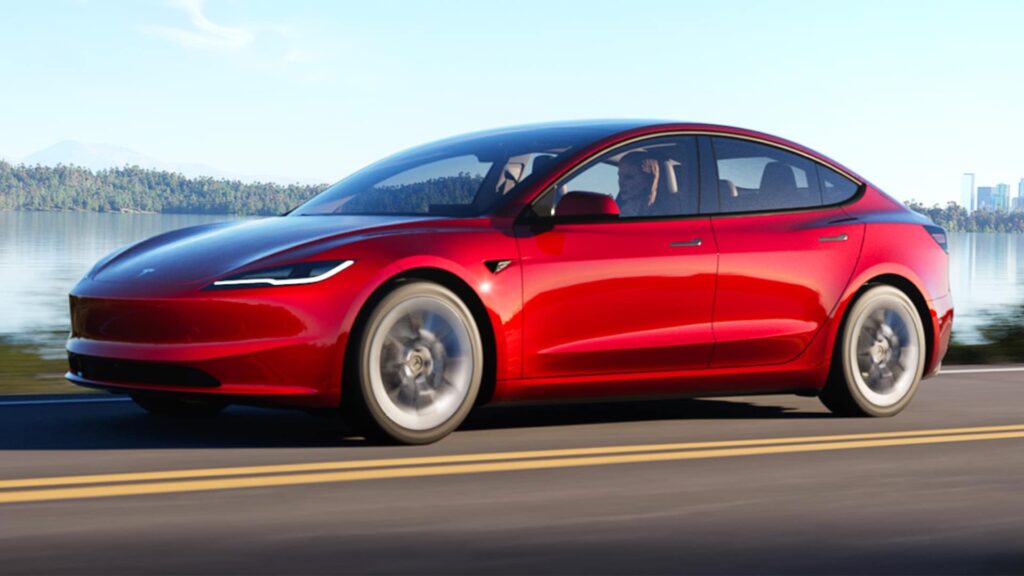
Why This Impacts Resale Value
Reliability isn’t just about convenience. It’s about value retention.
A car with:
- Fewer electrical issues
- Easier diagnostics
- Lower maintenance stress
…holds its resale value better over time.
For buyers who think ahead, the Model 2 isn’t just a purchase—it’s a financial strategy.
Octovalve: The Thermal System That Changes Everything
While electrical systems cause visible frustration, thermal systems are silent killers.
Leaks, overheating, worn hoses, failing valves—these issues often appear after years of use and slowly drain both money and patience.
Tesla addresses this with one elegant solution: the Octovalve.
What makes the Octovalve special
Instead of using:
- 10–20 separate valves
- Dozens of hoses
- Multiple seals and leak points
The Model 2 uses a single rotary valve with eight ports.
The advantages
- Fewer moving parts
- Fewer leak points
- Less wear over time
- Fewer unexpected breakdowns
This isn’t just simpler engineering—it’s smarter aging.
Why Simplicity Equals Longevity
Think of a traditional cooling system as a chain with dozens of weak links. One failure affects everything.
The Model 2’s system has:
- Fewer links
- Stronger components
- Better long-term stability
This means:
- Better battery health
- Stable motor performance
- Reduced degradation
- Improved safety
The car isn’t just good when it’s new. It’s designed to stay good.
Gigacasting and Structural Simplicity
Another often-overlooked factor is gigacasting.
By replacing dozens of welded parts with large single-piece castings, Tesla:
- Reduces structural complexity
- Improves rigidity
- Lowers production variation
- Enhances long-term durability
For owners, this means:
- Fewer squeaks and rattles
- Better crash consistency
- Improved aging characteristics
Again, this directly challenges used cars that have endured years of stress and wear.
Why Buyers Are Willing to Wait
Not everyone can wait. But more people are choosing to.
Because waiting means:
- Avoiding unexpected repairs
- Gaining predictability
- Reducing long-term stress
- Making a smarter financial decision
The Model 2 doesn’t need to be perfect. It just needs to be reliable, predictable, and reasonably priced.
And that’s enough to freeze a market built on speed.
A Slow Transition, Not a Collapse
This isn’t a crash. It’s not a panic. It’s a gradual recalibration.
The used car market still functions—but at a different pace. Those who ignore this shift risk:
- Overvalued inventory
- Tied-up capital
- Declining liquidity
Because this isn’t about pricing pressure.
It’s about confidence erosion.
Final Thoughts: The Market Has Already Changed
The most fascinating part of this story is that Tesla didn’t need to launch anything to change the market.
The Model 2 has already:
- Altered buyer psychology
- Slowed transaction speeds
- Increased negotiation power
- Shifted focus to long-term ownership
It proves a powerful truth:
You don’t need to arrive to shape the future. You just need to be expected.
And as 2026 approaches, one thing is becoming clear:
The used car market isn’t collapsing—but it will never feel the same again.
FAQs
1. Why is the Tesla Model 2 affecting the used car market before its release?
The Tesla Model 2 is influencing buyer behavior because it represents a future option with lower maintenance risk, predictable costs, and modern engineering. Even without being available, its promise makes consumers hesitate before committing to used cars with uncertain long-term reliability.
2. When is the Tesla Model 2 expected to be released?
Tesla has indicated that the Model 2 is scheduled for the second half of 2026, making it close enough for many buyers to consider waiting rather than purchasing a used vehicle now.
3. Is the used car market crashing because of the Model 2?
No, this is not a crash. It’s a slow transition. Prices remain relatively stable, but sales take longer to close due to increased buyer hesitation and more rational decision-making.
4. Why are used cars taking longer to sell in the U.S.?
The average selling time has increased because buyers are:
- Researching more
- Comparing long-term ownership costs
- Negotiating more carefully
- Waiting for new alternatives like the Model 2
This reduces liquidity without immediately forcing prices down.
5. What does “liquidity” mean in the used car market?
Liquidity refers to how quickly a car can be sold. Lower liquidity means cars sit on lots longer, tying up capital and increasing pressure on dealers—even if prices don’t drop sharply.
6. Why are buyers more cautious now than in the past?
Modern buyers are more informed and aware of:
- Electrical system failures
- High repair costs
- Intermittent problems in used cars
The fear of unexpected expenses has shifted focus from low upfront price to long-term reliability.
7. What is the 48V electrical architecture in the Tesla Model 2?
The 48V system allows Tesla to reduce wiring complexity, lower energy losses, and improve reliability. Combined with centralized zonal controllers, it drastically reduces the number of failure points compared to traditional vehicles.
8. Why are electrical systems such a big concern in used cars?
Electrical issues are often:
- Intermittent
- Hard to diagnose
- Expensive to fix
- Recurring
These problems can appear years after purchase and quickly erase any initial savings from buying used.
9. How does the Tesla Model 2 reduce electrical failures?
The Model 2 uses:
- Centralized electronics
- Fewer ECUs
- Shorter wiring distances
This simplifies diagnostics, reduces oxidation and signal loss, and lowers the likelihood of random electrical faults over time.
10. What is the Octovalve and why does it matter?
The Octovalve is Tesla’s compact thermal management system that replaces many traditional valves and hoses with a single rotary unit. This means:
- Fewer leaks
- Less wear
- Lower maintenance needs
- Better long-term performance
11. How does a better thermal system affect long-term ownership?
Efficient thermal management:
- Prevents overheating
- Protects batteries and motors
- Reduces degradation
- Maintains performance over years
This makes the car more reliable and less costly to own long-term.
12. What is gigacasting and why is it important?
Gigacasting replaces many welded parts with large single-piece castings. Benefits include:
- Improved structural rigidity
- Fewer manufacturing defects
- Better aging characteristics
- Reduced noise and wear over time
13. Will the Tesla Model 2 have better resale value than used cars today?
Likely yes. Cars with simpler systems, fewer failures, and predictable maintenance tend to hold value better, making the Model 2 attractive even from a resale perspective.
14. Are people really willing to delay buying a car because of the Model 2?
Yes. Many buyers prefer to wait months—or even a year or more to avoid the risk of costly repairs and gain long-term peace of mind.
15. Is this shift happening everywhere in the U.S.?
It’s most visible in California, Texas, and Florida, where EV adoption, innovation culture, and Tesla awareness are strongest—but the trend is spreading nationwide.
16. What is the biggest takeaway for car buyers in 2026?
The market is no longer driven by urgency. It’s driven by rationality. Buyers want predictability, reliability, and long-term value—and the Tesla Model 2 has become the symbol of that new mindset.
Read More:
- Elon Musk Revealed Breakthrough Goals for Starship V4 & Raptor 4 Stunned the whole Rocket industry
- Tesla to a $100T market cap? Elon Musk’s response may shock you
- Where to Buy Tesla Optimus Robot 2026: Everything You Need to Know
- SpaceX’s xAI merger keeps legal liability and debt at arm’s length: report
- Celebrating SpaceX’s Falcon Heavy Tesla Roadster launch, seven years later (Op-Ed)
- Is the $5,983 Tesla House Real? The True Cost Over 10 Years