
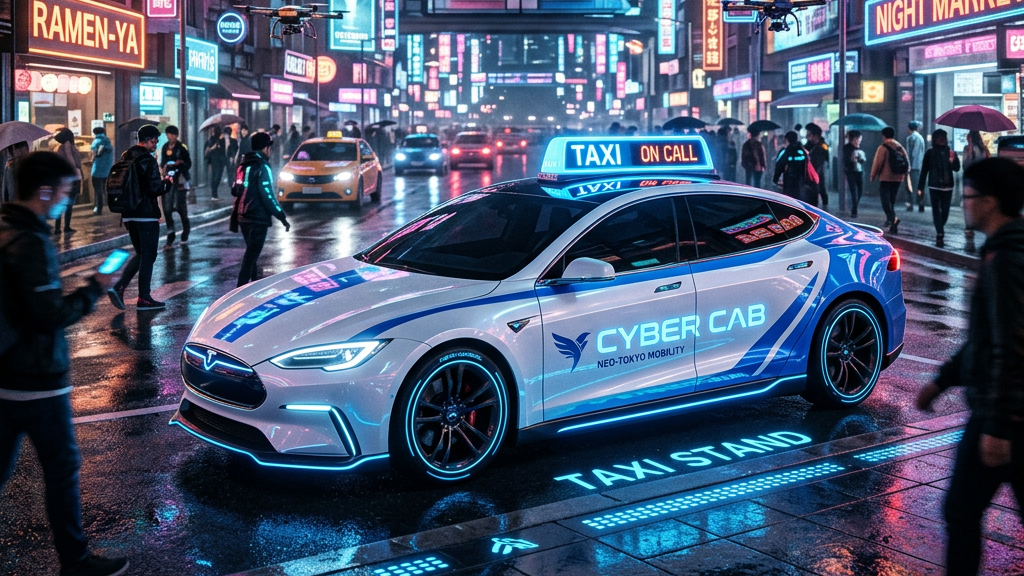
The Tesla Cybercab Takeover Has Finally Begun: For years, skeptics questioned Tesla’s vision of a fully autonomous robotaxi without a steering wheel. Critics argued that vision-only artificial intelligence would eventually reach its limits, regulators would resist vehicles without conventional controls, and manufacturing challenges could prevent purpose-built autonomous cars from becoming commercially viable.
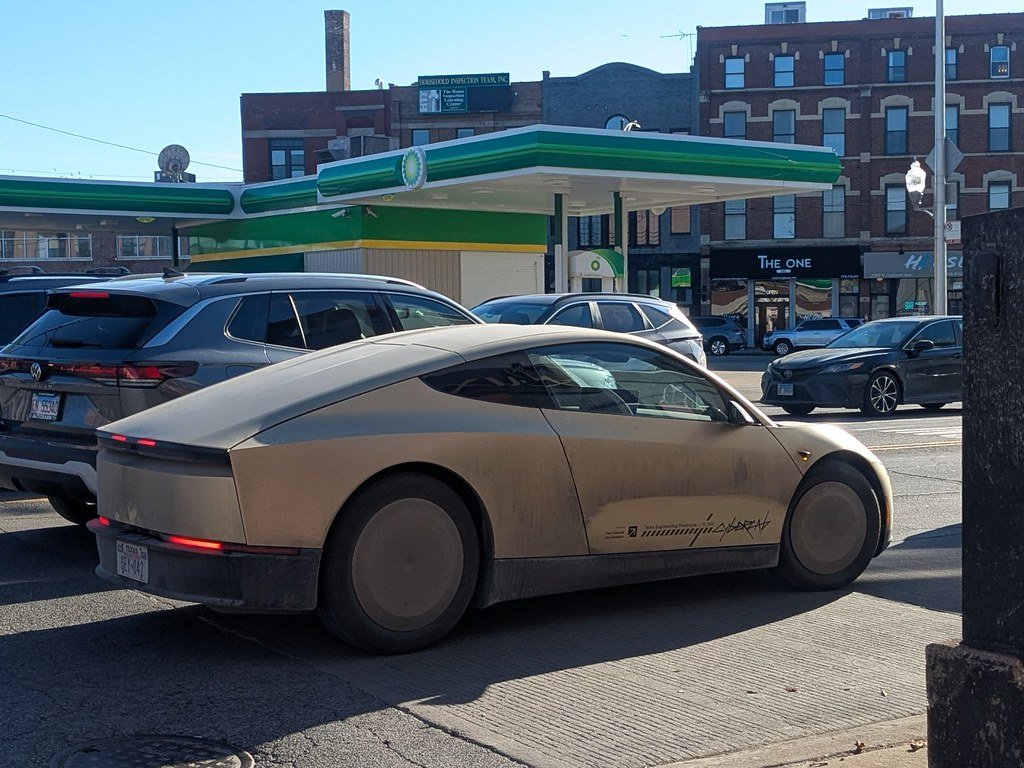
That skepticism is now facing a major reality check. Tesla’s purpose-built Cybercab has officially entered public-road operations in Austin, Texas, representing a significant step toward Tesla’s broader robotaxi ambitions. What was once presented as a futuristic concept is increasingly becoming a real-world transportation platform operating in urban traffic.
The Cybercab could ultimately redefine how autonomous vehicles are designed, manufactured, and used.
What Makes the Tesla Cybercab Different?
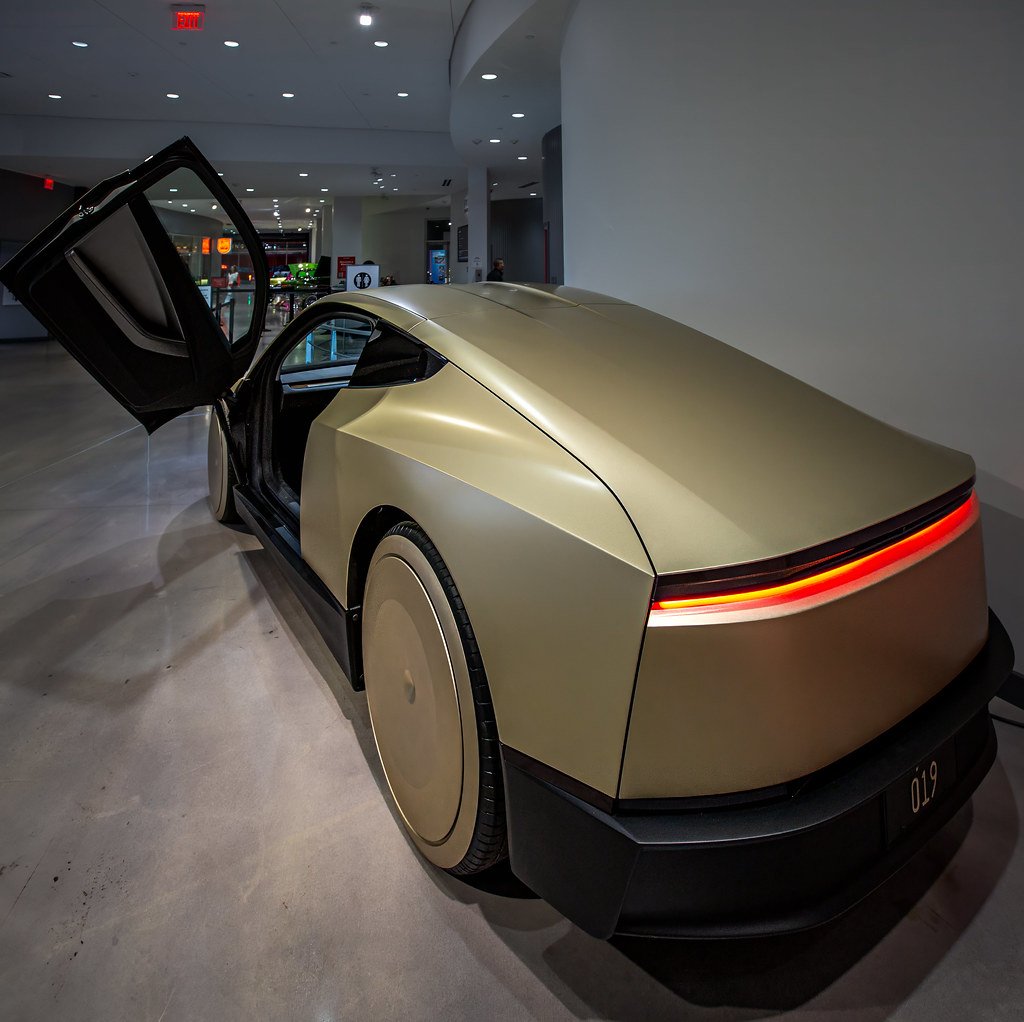
Unlike most autonomous vehicles currently operating in commercial or testing fleets, the Cybercab was designed from the beginning specifically for driverless transportation. Rather than modifying a conventional passenger vehicle, Tesla is attempting to build a car optimized around autonomous driving.
A Vehicle Built Without Traditional Controls
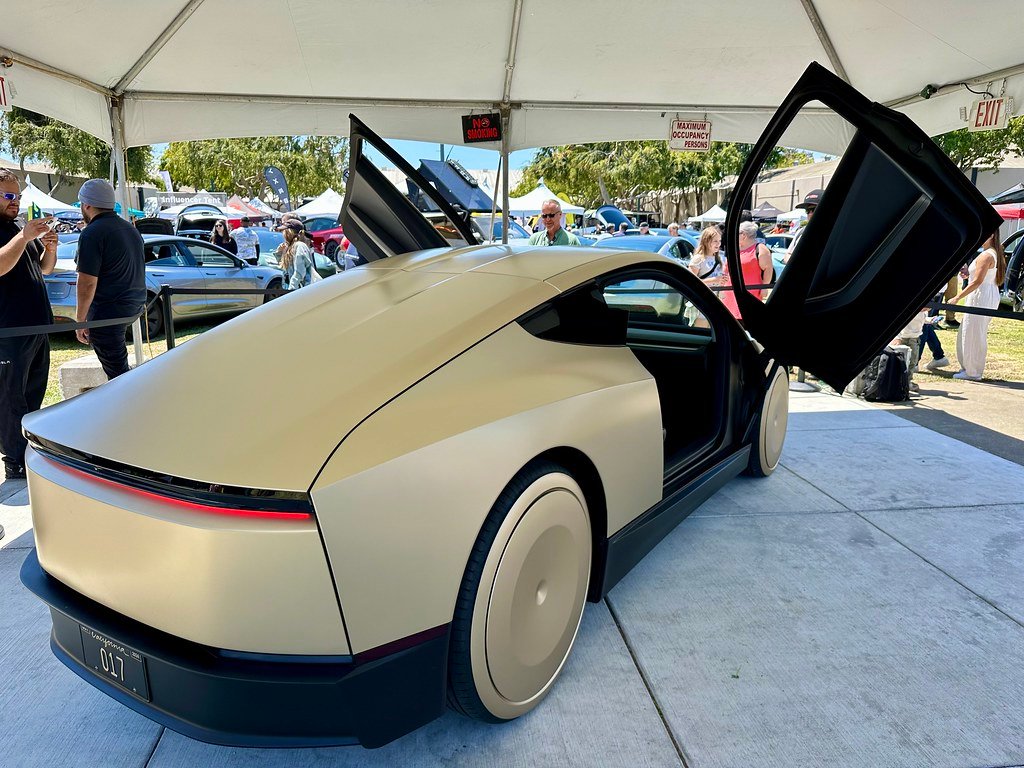
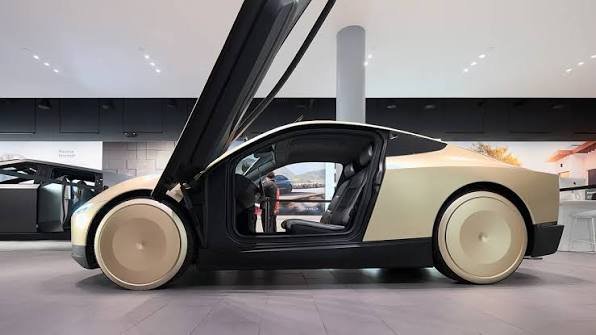
The Cybercab’s most striking feature is its control-free interior. The vehicle is designed without a traditional steering wheel, accelerator pedal, or brake pedal, removing the expectation that a passenger might manually take control.
This approach allows Tesla to rethink the cabin around passengers rather than drivers. It also eliminates components that are unnecessary for a vehicle intended to operate autonomously.
The result is a compact, highly specialized robotaxi designed around Tesla’s long-term vision of fully autonomous mobility.
Optimized for Two Passengers
Tesla is also focusing on efficiency by designing the Cybercab primarily for two occupants.
A large portion of urban ride-hailing journeys involve only one or two passengers. A smaller cabin can therefore reduce vehicle weight while potentially improving battery efficiency, acceleration, and operating costs.
The compact configuration may also create additional space for luggage and cargo relative to the vehicle’s overall size.
Wireless Charging for Autonomous Fleets
Another important feature is the Cybercab’s planned use of inductive wireless charging.
Autonomous fleets cannot depend on human drivers to connect charging cables. Wireless charging pads could allow vehicles to position themselves automatically at depots, reducing the need for manual intervention and potentially making large-scale fleet operations more efficient.
Tesla’s Vision-Only AI Strategy
The biggest technological debate surrounding the Cybercab is Tesla’s decision to emphasize camera-based perception and neural networks rather than relying on expensive LiDAR systems.
Companies such as Waymo have historically used combinations of LiDAR, radar, cameras, and other sensors to understand their surroundings. Tesla has pursued a different strategy, arguing that sophisticated computer vision and neural networks can provide enough information for autonomous driving.
Vision Versus LiDAR
Tesla’s approach is based on the idea that cameras can provide the visual information necessary for an autonomous vehicle to interpret roads, traffic signals, pedestrians, vehicles, and other objects.
The company combines this visual data with AI models trained on large quantities of driving footage.
The potential advantage is cost. LiDAR systems can add substantial hardware expense and complexity to an autonomous vehicle. By reducing reliance on specialized sensors, Tesla hopes to manufacture robotaxis at a much lower price.
The critical question, however, is safety. A low-cost autonomous vehicle only becomes commercially transformative if its AI system can operate safely across an enormous range of real-world situations.
Scaling the Robotaxi Fleet
Tesla’s robotaxi strategy has developed through stages, beginning with supervised testing and gradually moving toward more autonomous operations.
The initial Austin robotaxi program demonstrated Tesla’s ability to operate autonomous rides in a limited environment. The next stage is expanding autonomous service while improving fleet-management technology, vehicle reliability, charging, maintenance, and customer operations.
The introduction of a purpose-built Cybercab represents a potentially important milestone because Tesla is no longer relying solely on modified production vehicles.
From Testing to Commercial Operations
A large autonomous fleet requires much more than self-driving software. Tesla must coordinate:
- Vehicle charging
- Cleaning and maintenance
- Fleet monitoring
- Customer pickup and drop-off
- Software updates
- Demand prediction
- Emergency response
- Vehicle routing
Cybercab deployment therefore serves as a test not only of Tesla’s autonomous driving technology but also of its ability to operate a complete robotaxi ecosystem.
The Economics of Autonomous Ride-Hailing
The long-term attraction of robotaxis comes down to economics.
Traditional ride-hailing companies such as Uber and Lyft depend heavily on human drivers. Driver compensation represents a major component of the cost of every journey. Autonomous vehicles could theoretically eliminate that expense.
Tesla’s strategy is therefore built around creating a vehicle with low manufacturing, energy, and maintenance costs.
Why Cost Per Mile Matters
If an autonomous vehicle can travel passengers for substantially less than the cost of traditional ride-hailing, demand could increase dramatically.
A successful Cybercab network could potentially reduce the cost of urban transportation while improving vehicle utilization. Instead of a privately owned car sitting parked for most of the day, an autonomous vehicle could continuously serve multiple passengers.
This creates several potential economic effects.
First, car ownership could decline in cities where robotaxi services become cheap and reliable enough to replace personal vehicles.
Second, parking demand could fall. If fewer residents own cars, cities may eventually require less space for parking garages and surface lots.
Third, autonomous vehicles could support delivery services. During periods of low passenger demand, robotaxis could potentially be used for package and cargo transportation.
Regulatory Challenges Remain
Despite the technological progress, regulation remains one of Tesla’s biggest challenges.
Traditional vehicle safety regulations were largely created around cars operated by human drivers. A vehicle without a steering wheel or conventional pedals creates new regulatory questions involving crash safety, emergency operation, driver controls, and certification.
Tesla will need to demonstrate that the Cybercab can meet applicable safety requirements or operate under appropriate regulatory exemptions and frameworks.
Safety Is the Ultimate Test
Autonomous driving systems must handle situations that are difficult to predict.
These include heavy rain, unusual road construction, emergency vehicles, pedestrians behaving unpredictably, temporary lane closures, damaged traffic signals, and other rare events.
Tesla’s major potential advantage is the enormous amount of driving data generated by its global vehicle fleet. That data can help train and improve neural networks by exposing AI systems to a wide variety of road conditions.
However, the key challenge is not simply collecting data. It is proving that the resulting system is consistently safer than human driving.
What Comes Next for Cybercab?
The deployment of Cybercab vehicles in Austin represents an important transition from prototype development to real-world autonomous transportation.
Tesla is effectively testing three major ideas at the same time: vision-only AI, purpose-built autonomous vehicle manufacturing, and control-free passenger transportation.
If these technologies work reliably at scale, the implications could extend far beyond Tesla. Robotaxis could change how people commute, how cities allocate land, and how consumers think about car ownership.
The road ahead will not be easy. Tesla must continue improving autonomous driving performance, navigate complex regulations, reduce manufacturing costs, and build the infrastructure necessary to support a large commercial fleet.
But the Cybercab’s move onto public roads makes one thing increasingly clear: the autonomous vehicle race has entered a new phase.
The future of transportation may no longer be about putting better technology inside today’s cars. It could be about designing an entirely new kind of vehicle around the idea that no human driver is needed at all.
FAQs
1. What is the Tesla Cybercab?
The Tesla Cybercab is a purpose-built autonomous robotaxi designed to transport passengers without a traditional steering wheel, accelerator, or brake pedal. It is intended specifically for Tesla’s autonomous ride-hailing network.
2. Is the Tesla Cybercab fully autonomous?
The Cybercab is designed for fully autonomous driving, meaning passengers are not expected to manually control the vehicle. Actual operating capabilities and availability can vary depending on regulatory approval and deployment conditions.
3. Where is the Tesla Cybercab being deployed?
The initial Cybercab deployment is focused on Austin, Texas, where Tesla has been developing and expanding its robotaxi operations.
4. How many passengers can the Cybercab carry?
The Cybercab is designed as a two-passenger vehicle. Its compact configuration is intended to optimize efficiency for the typical short urban ride-hailing trip.
5. Does the Tesla Cybercab have a steering wheel?
The purpose-built Cybercab is designed with a steering-wheel-free interior. It does not rely on passengers taking over manual driving duties.
6. How does the Cybercab see the road?
Tesla’s autonomous-driving strategy emphasizes camera-based computer vision and neural networks. Unlike some competing autonomous vehicles, Tesla has focused heavily on using visual data rather than depending primarily on LiDAR.
7. Does the Cybercab use LiDAR?
Tesla’s approach does not center on LiDAR sensors. Instead, the company emphasizes cameras, artificial intelligence, and neural networks to perceive and navigate the driving environment.
8. How will Tesla Cybercabs be charged?
The Cybercab is designed around inductive wireless charging, allowing autonomous vehicles to recharge using charging pads rather than requiring a person to manually connect a cable.
9. Why did Tesla build a purpose-built robotaxi?
A purpose-built vehicle allows Tesla to optimize the car for autonomous transportation, removing unnecessary driver controls and potentially reducing manufacturing, energy, and maintenance costs.
10. Could Cybercab make robotaxi rides cheaper?
Tesla’s long-term goal is to achieve a significantly lower cost per mile through electric power, autonomous operation, efficient manufacturing, and reduced labor requirements. Whether those savings translate into lower passenger fares will depend on real-world operating costs and pricing.
11. Could Cybercab reduce car ownership?
Potentially. If autonomous rides become safe, reliable, convenient, and affordable, some urban consumers could decide that using robotaxis is more economical than owning a personal vehicle.
12. What are the biggest challenges facing Tesla Cybercab?
Major challenges include autonomous-driving safety, regulatory approval, manufacturing at scale, charging infrastructure, fleet maintenance, and handling unusual real-world driving situations.
13. Is the Tesla Cybercab legal to operate without a steering wheel?
Vehicles without conventional manual controls face specific safety and regulatory requirements. Tesla must comply with applicable federal and state rules and obtain any necessary approvals or exemptions for commercial deployment.
14. Could Cybercab replace Uber and Lyft?
The Cybercab could increase competition with traditional ride-hailing services, but completely replacing companies such as Uber and Lyft would require large-scale autonomous deployment, competitive pricing, high reliability, and broad geographic availability.
15. What does the Cybercab mean for the future of transportation?
The Cybercab represents Tesla’s broader vision of autonomous mobility as a service. If the technology succeeds at scale, driverless vehicles could influence transportation costs, car ownership, parking demand, urban planning, and delivery services.
Read More:
- Tesla Cybercab sightings broaden well outside of Austin with autonomy in focus
- Tesla Robotaxi riders will face the best dilemma when booking a ride
- NEW Tesla Cell Phone ( Pi Phone ): Starlink Direct-to-Cell, Grok AI & No Towers
- Tesla 100GW Solar Factory First Look SHOCKING The World
- SpaceX tells the FCC that Starship Flight 14 is going to orbit
1 thought on “The Tesla Cybercab Takeover Has Finally Begun”