
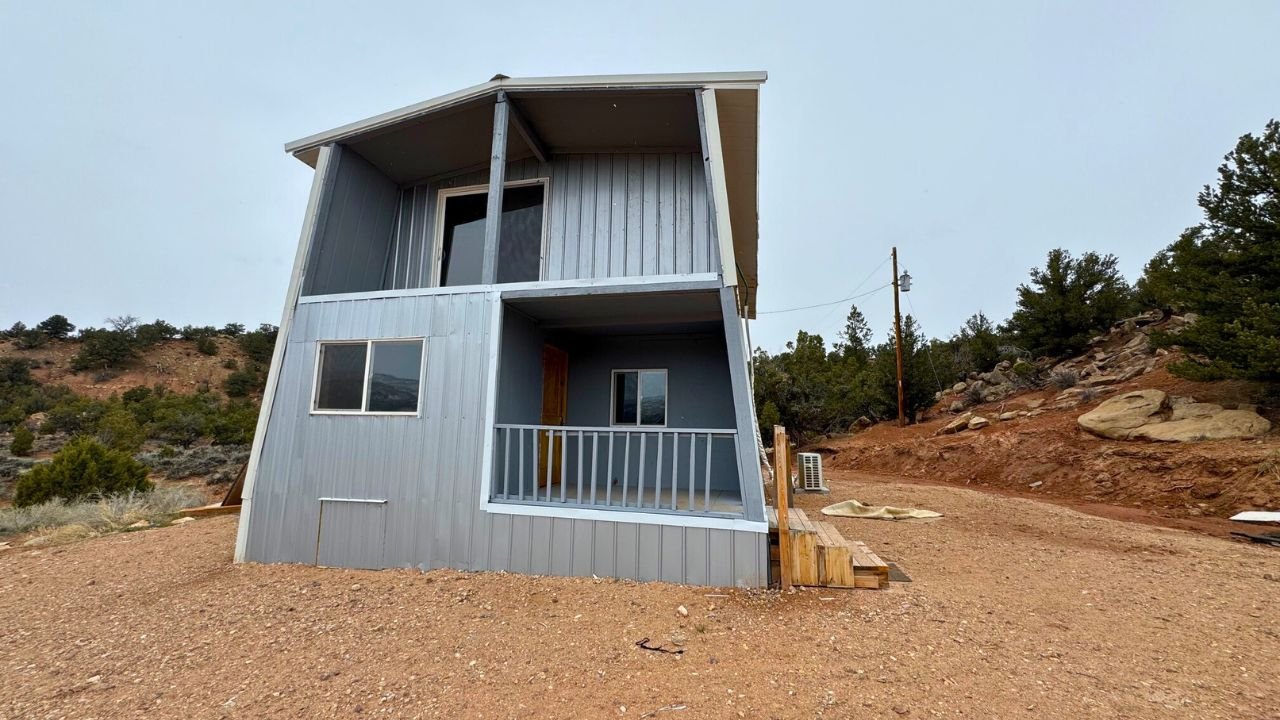
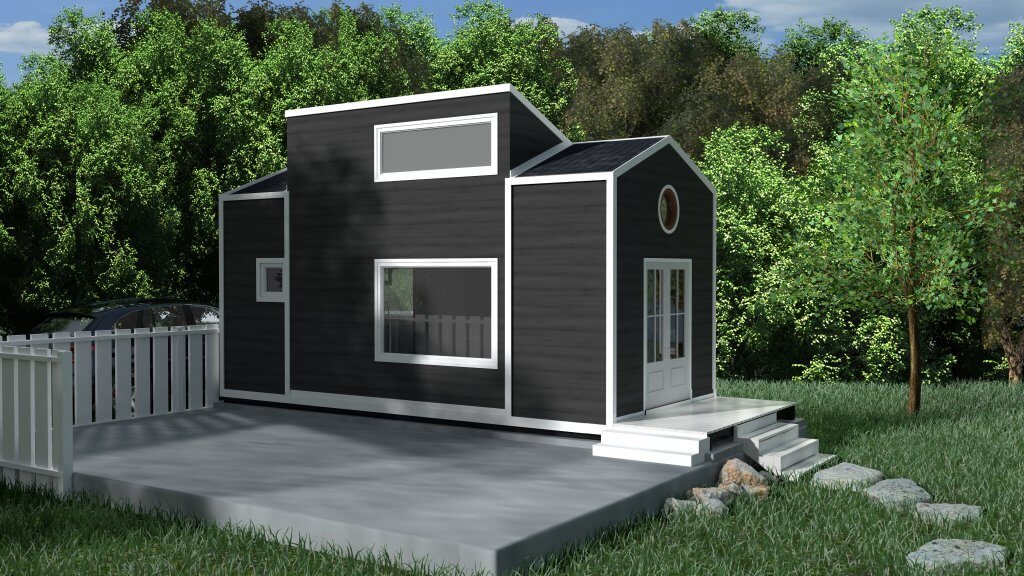
Tesla has just unveiled what could be the ultimate game-changer for off-grid living. At an astonishing $7,997, the company’s new tiny house promises unprecedented freedom. This compact dwelling comes equipped with solar panels, water filtration, and waste management systems, enabling residents to live entirely independent of banks and utility companies.
But is the dream of living off-grid really as simple as Tesla makes it sound? Where can you legally park your tiny home? What are the hidden costs of sustainable living? And can this lifestyle be maintained permanently without legal hurdles? Let’s break it down.
What Exactly Do You Get in Tesla’s $7,997 Tiny House?
Tesla’s 2025 tiny house model is priced at just $7,997, making it cheaper than many used vehicles on the market today. In fact, it’s roughly $12,000 cheaper than competing eco-homes like Sunweller. Despite its affordability, the tiny house packs impressive self-sufficient technology into a compact design.
Compact Yet Efficient Design
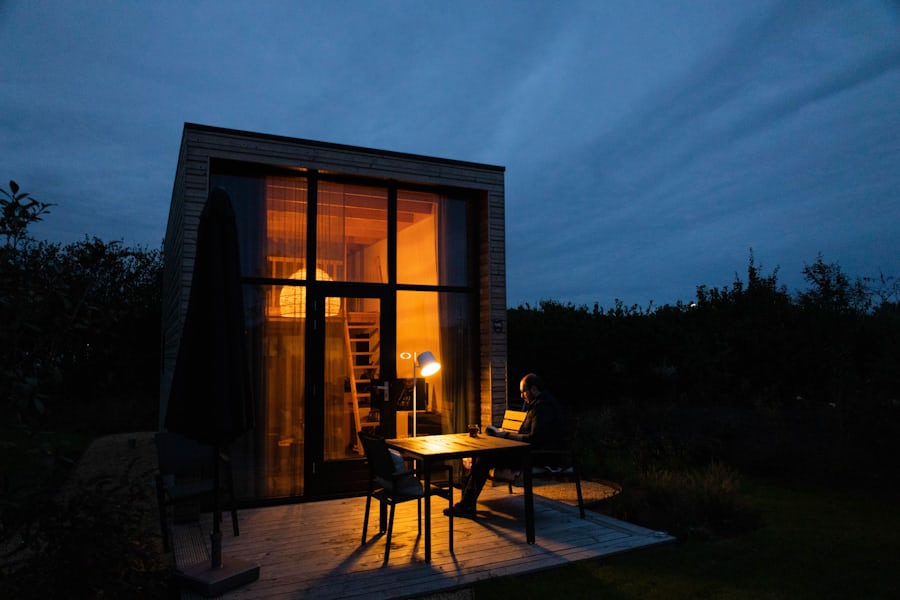
- Living Space: 25 m² (269 sq ft)
- Construction: 85% recycled materials
- Insulation: Premium thermal insulation rated R23, far exceeding the R15 typical of standard tiny homes
This ensures indoor temperatures remain comfortable between 18–25°C, even when external temperatures fluctuate from -10°C to 40°C.
Power Systems
The house features a 3 kW solar array with 12 high-efficiency panels paired with an 8.5 kWh lithium-ion phosphate battery capable of over 3,500 charge cycles. This system produces roughly 12–15 kWh daily, sufficient to power essential appliances, lighting, and moderate electronics for 1–2 occupants for up to 72 hours without sunlight.
Water Management
Tesla’s tiny house includes an integrated rainwater harvesting system with a 500 L capacity, enough for 5–7 days of conservative use. The graphene filtration technology processes water at 2.5 L per minute, removing 99.9% of contaminants down to 0.01 microns. This ensures clean, portable water that exceeds many municipal standards.
Waste Management
The odorless biological toilet uses specialized enzyme technology, requiring emptying only once every 21 days for a single occupant. With just 3 watts of power, it eliminates the need for traditional plumbing or septic systems, which often add $5,000–$10,000 to off-grid setups.
Smart Integration
All systems connect to the Tesla Energy Control Hub, enabling owners to monitor power production, storage levels, water reserves, and system performance via a smartphone app. Predictive AI helps manage resources efficiently.
Note: The tiny house does not include internet; separate Starlink installation costs $599 + $110/month. Buyers also need land, raising the question: Where can you legally place this tiny home?
Where Can You Legally Place Your Tesla Tiny House?
Owning the house is one thing—finding a legal place to park it is another. There are three main options for potential owners without existing land.
1. Purchase Rural Land
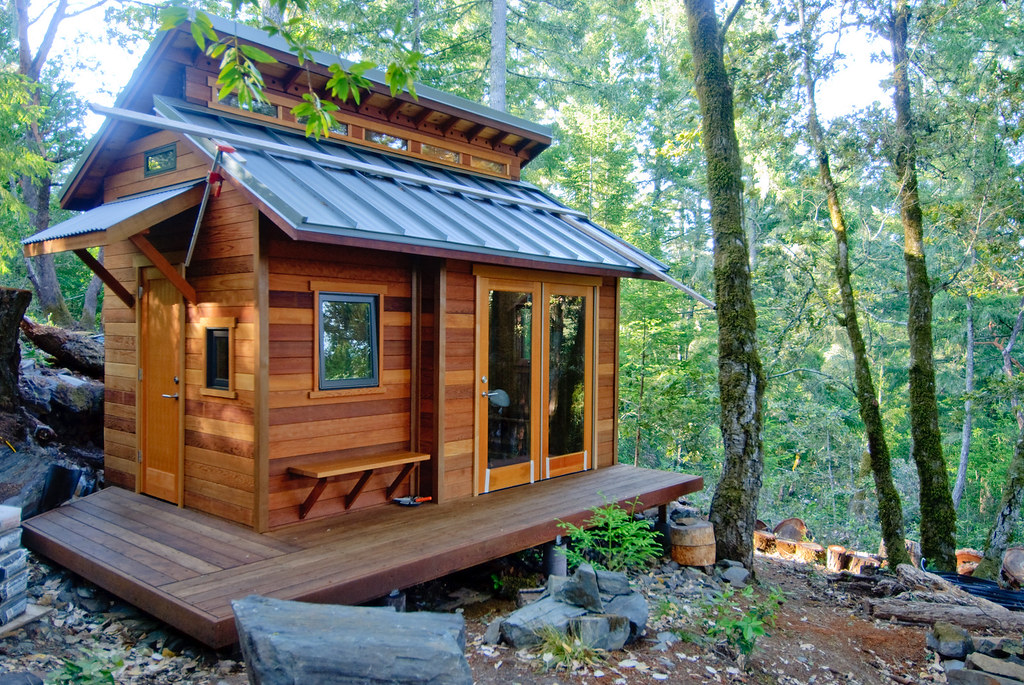
Some states have lenient tiny home regulations, including Texas, Arizona, New Mexico, and Utah. Key requirements typically include:
- No pollution
- Legitimate waste management solutions (Tesla’s enzyme toilet or traditional septic system)
Land Pricing Examples:
- Remote New Mexico: $3,000/acre
- Bastrop County, Texas: $12,000–$15,000/acre
- Eastern Utah: $4,500–$7,000/acre
- Arizona (Coochis County): $5,000–$8,000/acre
Permits & Additional Costs:
- Permit fees: $500–$2,500
- Land surveying: $800–$1,200
- Environmental assessments: $1,000–$3,000
2. Tesla Village Concept
Tesla is reportedly testing tiny house communities near its Austin Gigafactory. Benefits include:
- Pre-installed solar infrastructure (boosted to 4.5 kW)
- Communal water systems with 2,000-gallon backup reserves
- Starlink internet for 100–200 Mbps speeds
- Monthly rental: $150–$300, lower than traditional RV parks
This model resembles a turnkey tiny home park, eliminating permit headaches and infrastructure setup.
3. RV or Temporary Placement
Some rural jurisdictions allow placement under recreational vehicle statutes, typically for:
- 14 days in national forest land
- Up to 30 days in some county-managed areas
Challenges:
- Requires frequent relocation (6–8 sites/year)
- Annual relocation costs: $1,500–$2,000 + fuel $700–$1,200
- Not suitable for permanent housing
Each placement method carries distinct financial and practical considerations that must be evaluated before investing in a Tesla tiny house.
The Real Cost of Living Off-Grid
While Tesla’s $7,997 price tag is tempting, hidden costs quickly add up when considering full off-grid independence.
Electricity
The included 3 kW solar system powers LED lights, fans, laptops, and a modest fridge. But for AC units, electric heaters, or standard cooking appliances, extra batteries are required, adding around $1,000 for 2.5 kWh additional storage. Traditional systems often cost $5,000–$8,000 for similar capacity.
Water
- Tesla’s 500 L collection system works best in areas with 30–35 inches of annual rainfall
- Dry regions like Arizona or Nevada may need additional 1,000 L storage tanks, costing $300 + $150–$200 installation
- Delivery services in remote areas cost $85–$120/month, higher than municipal averages of $40–$60/month
Waste Management
- Tesla’s enzyme toilet is efficient but may not comply with all local codes
- Approved septic systems cost $2,000–$5,000, with professional installation pushing toward $7,000–$9,000
Connectivity
- Starlink is required for remote locations: $599 initial + $120/month
- Urban internet averages $60–$80/month, but rural cellular services provide only 5–25 Mbps
Total Additional Costs: $3,000–$8,000 upfront + $120–$220 monthly
Tesla Village: Elon Musk’s Off-Grid Community Solution
Tesla is addressing the land dilemma with a project tentatively called Tesla Village near Austin, Texas.
What Tesla Village Offers
- Dedicated land parcels for tiny house settlements
- Enhanced solar capacity with extra panels
- Centralized water purification with 5,000-gallon reserves
- Communal waste processing systems meeting all regulations
- Starlink internet connectivity
Business Model:
- Residents buy their tiny house separately
- Monthly slot fee: $150–$300
- No need for individual land ownership, zoning research, or permit navigation
This model eliminates traditional housing barriers, offering sustainable living with minimal upfront investment. Early reports suggest first development will host 40 units, with plans to expand to five locations in Texas by late 2025.
Is Off-Grid Living With Tesla Tiny House Worth It?
Tesla’s $7,997 tiny house represents a revolution in affordable, sustainable living. Its self-sufficient features—solar power, water filtration, and waste management—make off-grid living accessible to the average person.
However, hidden costs, legal restrictions, and placement challenges mean this lifestyle requires careful planning. For those willing to navigate the complexities, Tesla Village offers a promising solution for turnkey off-grid living.
Key Takeaways
- Affordable Entry Point: At $7,997, Tesla’s tiny house is cheaper than many used cars.
- Self-Sufficient Systems: Solar panels, water filtration, and enzyme toilets offer off-grid independence.
- Placement Matters: Land ownership, Tesla Village, or temporary RV-style placement are all options.
- Hidden Costs Exist: Water storage, additional battery capacity, septic installation, and internet add $3,000–$8,000 upfront.
- Tesla Village Solves Many Problems: Offers turnkey tiny home solutions with shared infrastructure and minimal bureaucracy.
- Sustainable Lifestyle: Reduces reliance on utilities, lowers environmental footprint, and encourages simpler living.
- Community Option: Tesla Village provides social interaction and shared resources, enhancing the off-grid experience.
Conclusion
Tesla’s tiny house innovation could redefine off-grid living for the average person. With $7,997 upfront and scalable infrastructure, it offers an unprecedented opportunity to live sustainably and independently.
Whether it’s the solar power, advanced water systems, or just the incredible price, this tiny house is a bold step toward practical off-grid living.
Would you live in a Tesla tiny house? Where would you place it? Off-grid living is exciting, but only for those ready to tackle its unique challenges.
FAQs
1. What is the price of the Tesla tiny house?
The Tesla tiny house is priced at an astonishing $7,997, making it cheaper than most used cars and significantly more affordable than other eco-friendly homes.
2. How much living space does the Tesla tiny house provide?
It offers 25 m² (269 square ft) of living space, designed for comfort and efficiency.
3. What materials are used to build the Tesla tiny house?
The house is constructed using 85% recycled materials and includes premium thermal insulation rated at R23.
4. Can the Tesla tiny house maintain a comfortable indoor temperature?
Yes. It maintains indoor temperatures between 18–25°C even when outside temperatures range from -10°C to 40°C.
5. What kind of solar power system does the Tesla tiny house have?
It comes with a 3 kW solar array, featuring 12 high-efficiency panels and an 8.5 kWh lithium-ion phosphate battery capable of over 3,500 charge cycles.
6. How long can the tiny house operate off-grid without sunlight?
The system supports essential appliances, lighting, and moderate electronics for up to 72 hours without sunlight.
7. What kind of water system does the Tesla tiny house include?
It features a 500 L integrated rainwater harvesting system combined with graphene filtration technology, filtering 99.9% of contaminants down to 0.01 microns.
8. How is waste managed in the Tesla tiny house?
The house uses an odorless biological toilet with enzyme technology, requiring emptying only once every 21 days for a single occupant.
9. Does the Tesla tiny house come with internet connectivity?
No, internet is not included. Owners need a separate Starlink installation costing $599 upfront plus $110 monthly.
10. Where can you legally place a Tesla tiny house?
Options include purchasing rural land in lenient states like Texas, Arizona, New Mexico, and Utah, joining Tesla Village communities, or using RV statutes for temporary placement.
11. How much does land cost for placing the tiny house?
Rural land varies widely, from $3,000 per acre in remote New Mexico to $12,000–$15,000 near Austin, Texas.
12. Are permits required for placing the tiny house?
Yes, counties typically require residential permits ($500–$2,500) and possibly land surveys or environmental assessments.
13. What is Tesla Village?
Tesla Village is a proposed off-grid community near Austin, Texas, providing dedicated plots, enhanced solar, centralized water, waste management, and Starlink connectivity.
14. How much does it cost to live in Tesla Village?
Monthly slot fees range from $150–$300, depending on amenities and location.
15. Is the Tesla tiny house suitable for permanent living?
Yes, but permanent living depends on legal placement, local regulations, and infrastructure upgrades.
16. Can the solar system power heavy appliances?
The included 3 kW system is enough for basic essentials but cannot handle energy-intensive appliances like AC units or electric stoves without additional battery upgrades.
17. How much does water system expansion cost?
Adding extra water storage (e.g., 1,000 L tank) costs approximately $300–$200 for installation, plus ongoing water delivery fees if rainfall is insufficient.
18. Are there hidden costs to living off-grid?
Yes. Hidden expenses may include battery upgrades, water system enhancements, septic compliance, and Starlink internet, totaling $3,000–$8,000 initially plus $120–$220 monthly.
19. How does waste management comply with local laws?
While the enzymatic toilet works technically, many counties require code-compliant septic systems, costing $2,000–$9,000 depending on installation.
20. Is Tesla tiny house a good investment for sustainable living?
Absolutely. With affordable pricing, off-grid capabilities, and Tesla Village options, it offers a revolutionary entry point into eco-friendly independent living.
Read More:
- Elon Musk Reveals Tesla Semi Gen 2 Finally Here! Mass Production With New Battery, Glass & FSD
- Tesla hints it could see ‘a few more vehicles’ released soon
- Tesla Cybercab spotted testing on public roads for the first time
- Tesla Model Y on FSD saves couple after encountering King of edge cases
- Bank of America raises Tesla PT to $471, citing Robotaxi and Optimus potential
- Tesla Full Self Driving (FSD) is nearing approval in a new country