
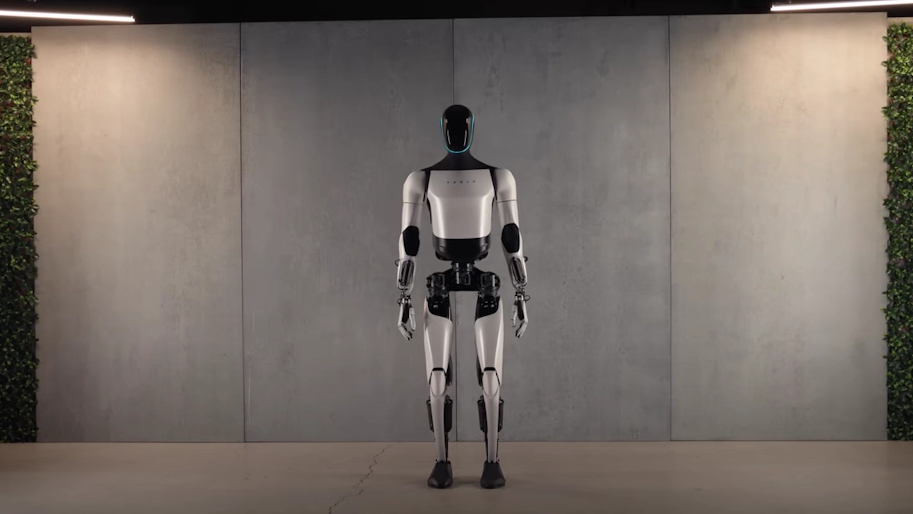
Wow! Tesla Bot Gen 3 Finally Learning To Cook A Meal: Tesla is taking humanoid robotics to a new level with its upcoming Optimus Gen 3, a humanoid robot designed to perform practical tasks in homes, factories, and other real-world environments. While many robotics companies focus on flashy demonstrations such as backflips and athletic movements, Tesla’s approach is centered on something far more useful: dexterity, tactile sensing, artificial intelligence, and everyday task automation.
The Tesla Bot Gen 3 could become one of the company’s most important products as Tesla expands beyond electric vehicles and autonomous transportation. From handling fragile objects to potentially cooking meals, Optimus is being engineered to interact with the physical world in ways that increasingly resemble human capabilities.
Tesla Optimus Gen 3 Is Built for Real-World Tasks
The biggest change with Optimus Gen 3 is Tesla’s emphasis on practical physical intelligence. Instead of simply demonstrating how quickly a robot can move, Tesla is working toward a machine capable of completing useful tasks safely and repeatedly.
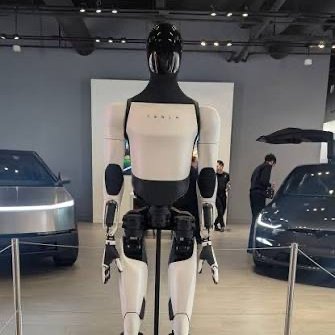
Cooking is an excellent example. Preparing a meal requires a robot to recognize objects, understand their position, apply different amounts of force, and coordinate numerous movements. Picking up an egg, cracking it, wiping a countertop, or manipulating kitchen equipment requires considerably more than basic robotic movement.
Tesla’s goal is therefore to create a robot capable of combining computer vision, tactile feedback, balance, and precise motor control.
22 Degrees of Freedom Per Hand
One of the most significant hardware improvements is the robot’s hands. Optimus Gen 3 is expected to feature 22 degrees of freedom (DoF) per hand, compared with 11 DoF in Gen 2.
This increase could provide considerably greater flexibility and precision. Human hands can perform incredibly subtle movements because individual fingers and joints can continuously adjust their position and force.
For a humanoid robot, similar dexterity could make it possible to perform tasks such as:
- Handling fragile food and kitchen utensils
- Picking up small objects without crushing them
- Wiping and cleaning surfaces
- Manipulating delicate components
- Sorting objects according to shape and texture
- Performing repetitive industrial assembly tasks
This type of capability could ultimately be more important than raw robotic speed.
Biomimetic Hands Could Transform Robot Dexterity
Tesla is also taking inspiration from human anatomy. Instead of placing large motors directly inside the hands, the main actuators are positioned in the forearms.
Tendon-like cables then transfer force through the wrist to the fingers. This design can potentially make the hands lighter while preserving sophisticated finger movement.
That approach is particularly interesting for tasks involving food. A robot needs to grip an egg firmly enough to control it but gently enough to avoid breaking it prematurely.
Advanced Tactile Sensors
Vision alone is not enough for sophisticated physical interaction. Optimus needs to understand how much force it is applying.
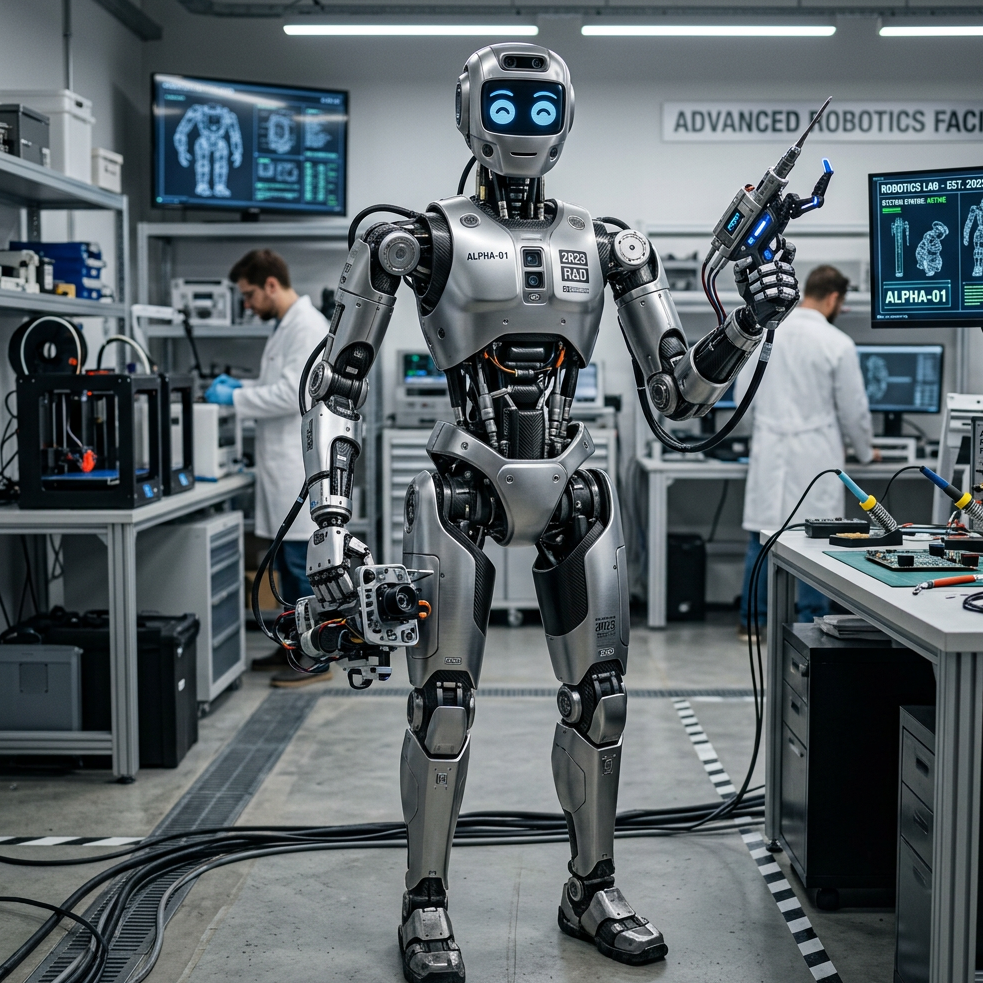
Tesla’s Gen 3 hands reportedly include nearly three times as many internal sensors as earlier versions. These sensors could help the robot detect subtle differences in texture, shape, contact, and pressure.
This combination of visual perception and tactile sensing is crucial for physical AI.
For example, when handling a delicate battery cell or a soft piece of food, the robot could potentially recognize that excessive force is being applied and immediately adjust its grip.
Despite this precision, the hands are also being designed to handle substantial loads, with a target payload capability of more than 40 pounds (18 kg).
AI5 Gives Optimus More Computing Power
The mechanical hardware is only one part of Tesla’s humanoid robot strategy. Optimus also needs enormous computing power to interpret its surroundings and control its body in real time.
Tesla’s planned AI5 computer architecture is expected to provide a major performance increase over the company’s previous AI4 platform.
One highlighted improvement is approximately five times greater memory bandwidth. Higher memory bandwidth is important because sophisticated neural networks require huge amounts of data to move between memory and processors.
Instead of appearing to pause while processing information, a more powerful architecture could allow Optimus to continuously interpret its environment and react to changes.
Local AI Combined With Grok
Optimus’ intelligence is expected to operate across multiple levels.
Low-level functions such as balance, spatial perception, joint positioning, and motor control can be processed locally. This is essential because physical movements need extremely fast responses.
Higher-level functions, including natural-language interaction and potentially coordination between multiple robots, could be connected with xAI’s Grok.
This creates a potentially powerful combination: local intelligence for immediate physical control and higher-level AI for understanding instructions and complex objectives.
Tesla’s Ambitious Optimus Manufacturing Strategy
Tesla has suggested that Optimus Gen 3 could be the first version designed for mass production.
The company has discussed an ambitious target of approximately one million robots per year, although such production goals should be viewed as targets rather than guaranteed output.
Tesla is reportedly preparing manufacturing capacity by repurposing parts of its existing facilities and developing additional production space near Gigafactory Texas.
The economics are equally important.
Long-term targets have suggested that Optimus could eventually reach a price of around $20,000 to $30,000 per unit. Early commercial versions, particularly those aimed at industrial and business customers, could be considerably more expensive, potentially around $50,000 to $70,000.
If Tesla can eventually manufacture capable humanoid robots at consumer-friendly prices, the impact could extend well beyond factories.
Cybercab: Tesla’s Other Major Autonomous Project
Tesla’s robotics strategy isn’t limited to Optimus. The company is also developing the Cybercab, a purpose-built autonomous vehicle designed specifically for robotaxi operations.
Unlike conventional Tesla vehicles, the Cybercab is designed without a traditional steering wheel or conventional pedal controls. Its objective is straightforward: provide fully autonomous point-to-point transportation.
The vehicle is designed around efficiency and low production costs.
Cybercab Specifications
The reported specifications highlight how aggressively Tesla is pursuing efficiency:
- Range: Approximately 293 miles from a 48 kWh battery
- Efficiency: Around 165 Wh/mile
- Drag coefficient: Approximately 0.20
- Motor: Rare-earth-free single motor producing about 219 hp
- Drive: Front-wheel drive
- Curb weight: Approximately 3,113 pounds
- Payload: Approximately 617 pounds
The combination of low weight, aerodynamic design, and efficient powertrain could make the Cybercab particularly suitable for high-utilization robotaxi operations.
A New Interior Designed Around Autonomy
Inside, the Cybercab reportedly features a massive 22-inch central display, making it the largest screen in a Tesla vehicle.
The interface is designed to provide navigation, entertainment, trip controls, and other information through a modern graphical environment.
The vehicle is also expected to incorporate connectivity designed to maintain communication and entertainment services even when conventional cellular coverage becomes unreliable.
Multiple Layers of Safety Monitoring
Removing the steering wheel and pedals means the vehicle cannot depend on a human driver to take control during an emergency. Consequently, sensor redundancy and passenger monitoring become extremely important.
The Cybercab’s proposed architecture includes multiple exterior cameras, interior cameras, and radar-based occupant classification.
The system can potentially identify whether passengers are adults, children, or using child seats and adjust safety systems accordingly.
An interior camera could also help monitor the cabin between trips, including identifying forgotten belongings or checking the vehicle’s condition.
How the Tesla Robotaxi Experience Could Work
The Cybercab experience is designed to be almost completely automated.
A passenger would request a ride through the Tesla Robotaxi application and enter a destination. When the vehicle arrives, its front lighting could help passengers identify the correct Cybercab.
Passengers can use their phones as digital keys to unlock the doors. After entering and fastening their seatbelts, the doors close automatically.
The ride can then be started using the vehicle’s central display.
During the journey, passengers could also request a stop or contact remote support through the in-car interface.
Optimus and Cybercab Could Define Tesla’s Next Era
Optimus Gen 3 and Cybercab represent two different applications of Tesla’s broader physical artificial intelligence strategy.
Optimus is designed to bring AI into the physical labor market, potentially helping with domestic chores, manufacturing, logistics, and other repetitive tasks.
Cybercab applies autonomous intelligence to transportation, potentially creating a network of vehicles capable of operating without traditional drivers.
The most fascinating development may be Optimus learning tasks such as cooking a meal. Cooking demonstrates why humanoid robots need sophisticated hands, tactile sensors, vision systems, and powerful AI rather than simply fast motors.
If Tesla succeeds, the long-term vision isn’t merely about building a robot that can walk. It is about creating a machine that can see, understand, touch, manipulate, learn, and perform useful work.
That makes Optimus Gen 3 one of the most ambitious developments in Tesla’s future—and potentially one of the company’s most transformative products.
FAQs
1. What is Tesla Optimus Gen 3?
Tesla Optimus Gen 3 is a next-generation humanoid robot being developed by Tesla to perform practical tasks in homes, factories, and other environments. Its focus is on physical AI, dexterity, tactile sensing, and autonomous task execution.
2. Can Tesla Optimus Gen 3 cook food?
Optimus Gen 3 is being designed for tasks requiring precise manipulation, such as handling eggs, cleaning surfaces, and manipulating delicate objects. Cooking is an example of the type of complex real-world activity that advanced humanoid robots could eventually perform.
3. How many degrees of freedom will Optimus Gen 3 have?
The hands are expected to feature 22 degrees of freedom per hand, compared with 11 in Optimus Gen 2. This should provide greater flexibility and precision when handling objects.
4. How are Optimus Gen 3’s hands different?
Tesla is reportedly moving major actuators into the robot’s forearms and using tendon-like cables to transfer force to the fingers. This biomimetic design is intended to provide lightweight yet highly capable hands.
5. Will Optimus Gen 3 have tactile sensors?
Yes. The robot’s hands are expected to contain significantly more internal sensors, helping Optimus detect pressure, textures, shapes, and other physical characteristics while interacting with objects.
6. How much weight can Optimus Gen 3 lift?
The robot is being designed to handle loads exceeding 40 pounds (18 kg) while maintaining the fine motor control needed for delicate tasks.
7. What is Tesla’s AI5 chip?
AI5 is Tesla’s planned next-generation computing architecture for AI applications. It is expected to provide substantially higher memory bandwidth than AI4, supporting the demanding neural-network processing required for physical AI.
8. Will Optimus use Grok AI?
Tesla’s planned architecture could combine local AI processing for functions such as balance, perception, and motor control with Grok for higher-level language understanding and potentially multi-robot coordination.
9. How much will Tesla Optimus Gen 3 cost?
Early commercial versions could reportedly cost around $50,000 to $70,000, particularly for business and industrial applications. Tesla has discussed a longer-term goal of reducing the price toward approximately $20,000–$30,000.
10. How many Optimus robots does Tesla want to produce?
Tesla has discussed an ambitious target of approximately 1 million Optimus units per year once mass manufacturing is established. Actual production volumes may depend on manufacturing readiness and market demand.
11. What is the Tesla Cybercab?
The Cybercab is a purpose-built autonomous electric vehicle designed for robotaxi transportation. Unlike conventional cars, it is designed without traditional steering-wheel and pedal controls.
12. How far can the Cybercab travel on one charge?
The reported Cybercab specifications indicate a range of approximately 293 miles using a 48 kWh battery pack.
13. How efficient is the Tesla Cybercab?
The Cybercab is designed for extremely high electrical efficiency, with a reported figure of approximately 165 Wh/mile, equivalent to more than 6 miles per kWh.
14. How does a passenger use the Tesla Cybercab?
Passengers would request a ride through the Tesla Robotaxi app, enter their destination, identify the arriving vehicle, unlock it using a mobile phone key, fasten their seatbelt, and start the ride through the vehicle’s central display.
15. What could Optimus Gen 3 and Cybercab mean for Tesla?
Together, Optimus and Cybercab demonstrate Tesla’s broader focus on autonomous hardware and physical artificial intelligence. Optimus could eventually automate physical labor and domestic tasks, while Cybercab could transform urban transportation through autonomous robotaxi services.
Read More:
- Tesla gives the Roadster an official “Go for launch” demonstration date
- Starship Flight 15 May Never Return Home… Here’s Why
- New Gen 3.5 Solid-State Battery, 381 Wh/kg Finally Goes MASS PRODUCTION
- Tesla plans big safety improvements for Full Self-Driving v15
- Wow! Starship Flight 15 Rocket Pair is getting “Cryo” together
1 thought on “Wow! Tesla Bot Gen 3 Finally Learning To Cook A Meal”