
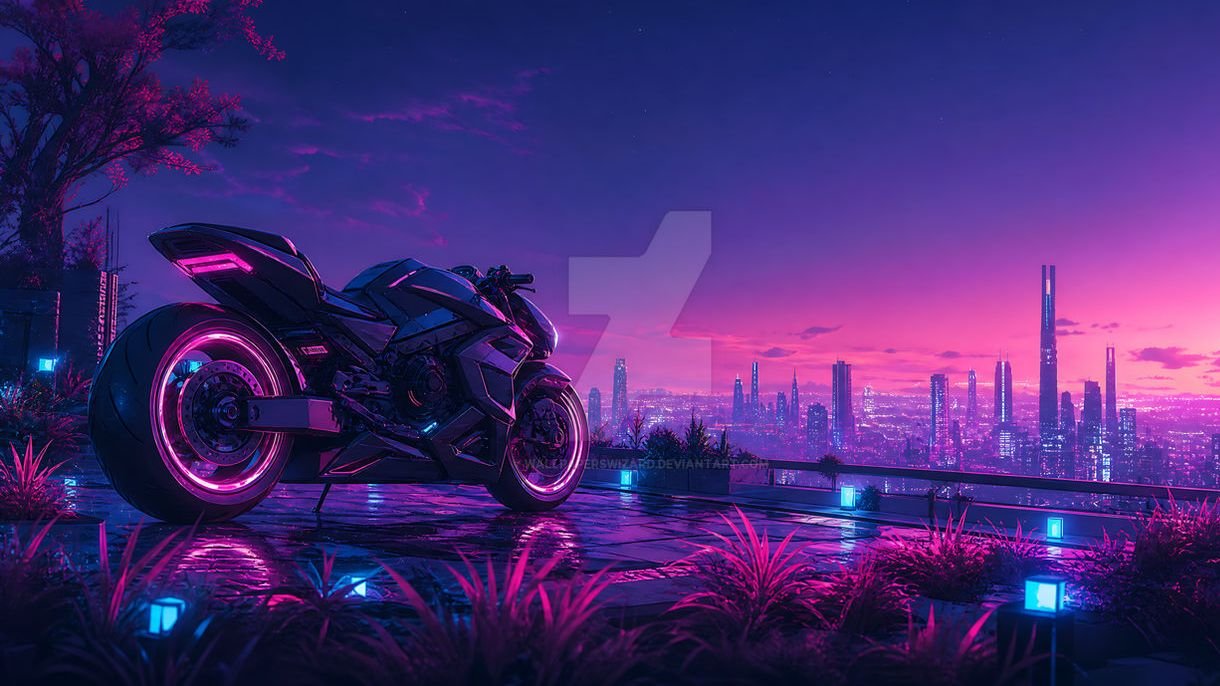
Elon Musk’s First Tesla Cyberbike Prototype Shocked the Industry: The automotive industry has undergone a dramatic transformation over the past decade. Electrification, software-defined vehicles, autonomous technology, and minimalist design have changed the way people think about transportation. Tesla has played a major role in this transformation, moving from premium electric cars to unconventional products such as the Cybertruck.
Now, the concept of a Tesla Cyberbike prototype extends that futuristic philosophy into the world of two-wheeled transportation. The concept video titled “Elon Musk’s First Tesla Cyberbike Prototype Shocked the Industry” explores what could happen if Tesla’s design language, battery technology, connectivity, and software expertise were applied to an electric motorcycle.
Although the Cyberbike remains a concept rather than a confirmed production Tesla motorcycle, the idea highlights several important trends shaping the future of urban mobility.
Tesla Cyberbike Design Inspired by the Cybertruck
The first thing that makes the Cyberbike concept stand out is its unconventional appearance. Traditional motorcycles typically feature curved fuel tanks, tubular frames, exposed mechanical components, and aerodynamic bodywork.
The Cyberbike concept takes a very different approach.
Angular Exoskeleton and Minimalist Styling
The design appears heavily influenced by the Tesla Cybertruck’s angular architecture. Instead of relying on flowing curves, the concept uses sharp geometric surfaces and a rugged structure.
Important visual characteristics include:
- Angular body panels that create a futuristic silhouette.
- Horizontal LED light strips that provide a recognizable lighting signature.
- Minimalist construction that reduces unnecessary decorative components.
- A rugged exoskeleton-inspired frame designed around functionality.
- A compact profile intended for dense urban environments.
This approach could potentially influence manufacturing as well. Geometric panels may offer opportunities for simpler production techniques compared with highly complex curved bodywork, although actual production costs would depend on engineering, materials, tooling, safety requirements, and manufacturing volume.
Next-Generation Electric Powertrain
Battery technology is one of the biggest challenges for electric motorcycles. A two-wheeled vehicle needs enough energy for useful range while keeping overall weight low.
The Cyberbike concept imagines a tightly integrated electric powertrain in which the battery, motor, electronics, and chassis work together as a single system.
Structural Battery Architecture
One of the most interesting ideas is the possibility of integrating a structural battery pack into the lower portion of the chassis.
Placing a large percentage of the battery mass low in the frame could create a lower center of gravity. In theory, this could contribute to stability and maneuverability, particularly in urban riding environments.
The concept architecture can be summarized as:
Structural Battery Unit → Integrated into the lower chassis
Electric Motor → Provides immediate torque
Central Computing System → Controls power, thermal management, telemetry, and rider-assistance systems
Electric motors also have an important advantage over conventional combustion engines: instant torque delivery. This can provide responsive acceleration without the need for a traditional multi-speed transmission.
Regenerative Braking
Another major feature of electric vehicles is regenerative braking.
During deceleration, the electric motor can operate as a generator and send some energy back into the battery. This can improve energy efficiency while potentially reducing dependence on conventional friction brakes.
The amount of energy recovered depends on riding conditions, battery state, motor characteristics, and control software. Nevertheless, regenerative braking could become an important component of an advanced electric motorcycle.
Software Could Become the Cyberbike’s Biggest Feature
A Tesla-inspired motorcycle would not simply be an electric vehicle with a battery and motor. Its defining characteristic could be its software ecosystem.
Modern electric vehicles increasingly rely on computers to control everything from energy management to safety systems. A Cyberbike concept could extend that philosophy to two-wheelers.
Digital Cockpit
Instead of a collection of traditional analog gauges, the Cyberbike concept envisions a minimalist digital cockpit.
A central display could potentially provide:
- Turn-by-turn navigation
- Battery percentage and estimated range
- Speed and power information
- Ride-mode selection
- Charging information
- Vehicle diagnostics
- Connectivity features
The system could also be designed to keep important information visible without overwhelming the rider.
Over-the-Air Software Updates
Another Tesla-inspired feature would be over-the-air (OTA) updates.
Instead of requiring a service center for every software improvement, compatible systems could potentially receive remote updates. These updates could modify power delivery, improve energy management, introduce new interface features, or address cybersecurity issues.
That would make the motorcycle increasingly software-defined throughout its lifespan.
Advanced Safety Technology for Two-Wheelers
Safety represents one of the biggest challenges facing electric motorcycles.
Unlike occupants inside cars, motorcycle riders have comparatively little physical protection during a collision. Consequently, advanced rider-assistance technology could become particularly valuable.
Proximity Detection and Blind-Spot Awareness
A futuristic Cyberbike could use sensors to monitor surrounding traffic.
Potential technologies include radar, ultrasonic sensors, cameras, and proximity detection systems. Alerts could be presented through the display, audio signals, or even haptic feedback through the handlebars.
Such systems could potentially warn riders about vehicles approaching from difficult-to-see angles.
Smart Traction Control
Electric motors can deliver torque extremely quickly, making precise power management important.
A sophisticated traction-control system could monitor wheel behavior and adjust motor output when it detects potential wheel slip. This could be particularly useful on wet roads, loose surfaces, gravel, or painted road markings.
Crash Detection
Another possible feature is automated crash detection.
Sensors could monitor acceleration, vehicle orientation, and impact forces. Following a serious incident, a connected system could potentially notify emergency contacts or emergency services and provide location information, depending on local regulations and available connectivity.
These technologies would not eliminate motorcycle risks, but they demonstrate how software could supplement traditional mechanical safety systems.
Cyberbike and the Future of Urban Mobility
The Cyberbike concept arrives at a time when cities are increasingly exploring alternatives to conventional automobiles.
Traffic congestion, limited parking, fuel costs, emissions regulations, and growing urban populations are creating demand for smaller and more energy-efficient transportation.
A Compact Alternative to Cars
A two-wheeled electric vehicle can occupy substantially less physical space than a passenger car. Multiple motorcycles can potentially fit within the footprint required by a single car parking space, depending on local parking rules and vehicle dimensions.
The potential advantages include:
- Smaller parking footprint
- Lower energy consumption
- Easier movement through congested areas
- Reduced mechanical maintenance
- Efficient short-distance transportation
This makes electric two-wheelers particularly relevant to first-mile and last-mile transportation.
For commuters, a compact electric motorcycle could potentially bridge the gap between public transportation and private automobiles.
Major Challenges Facing a Tesla Cyberbike
Despite the excitement surrounding the concept, transforming a futuristic prototype into a commercially viable motorcycle would be difficult.
Rider Safety
Motorcycle safety remains a fundamental challenge. Any production vehicle would need to comply with extensive safety regulations while ensuring that electronic assistance does not create additional risks.
Global Regulations
Two-wheeled vehicle regulations vary between markets. Requirements for lighting, braking, power output, safety equipment, connectivity, and certification can differ across North America, Europe, and Asia.
A global Cyberbike would therefore likely require market-specific engineering and homologation.
Manufacturing Priorities
Tesla’s existing business involves electric cars, energy products, charging infrastructure, and other large-scale technologies. Developing an entirely new two-wheeled platform would require substantial engineering, manufacturing, distribution, and service resources.
For that reason, a Cyberbike concept should be viewed as an exploration of future mobility rather than confirmation of an imminent Tesla motorcycle.
The Potential Industry Impact of the Cyberbike Concept
Even as a concept, the Tesla Cyberbike illustrates how automotive technology and lightweight electric transportation could converge.
Its most important ideas are not necessarily its futuristic bodywork. The bigger story involves the combination of battery integration, software-controlled power delivery, connectivity, digital interfaces, and rider-assistance technology.
If manufacturers successfully combine these technologies, the next generation of electric motorcycles could look very different from today’s machines.
Conclusion
The concept of Elon Musk’s First Tesla Cyberbike Prototype represents an intriguing vision of what a Tesla-inspired electric motorcycle could become. Its Cybertruck-style design, integrated battery architecture, software-driven controls, regenerative braking, connectivity, and potential safety technologies create a distinctly futuristic interpretation of personal transportation.
However, the Tesla Cyberbike remains a concept rather than an officially confirmed mass-production motorcycle based on the information presented in the source material.
Whether or not Tesla eventually enters the two-wheeler market, the Cyberbike concept highlights a broader transformation already underway: urban transportation is becoming smaller, electric, connected, and increasingly software-defined.
FAQs
1. What is the Tesla Cyberbike?
The Tesla Cyberbike is a futuristic electric motorcycle concept inspired by Tesla’s vehicle design philosophy. It combines angular styling, electric power, digital connectivity, and advanced rider-assistance ideas.
2. Is the Tesla Cyberbike officially available?
The Cyberbike described in the concept video is not confirmed as a mass-production Tesla motorcycle. It is best understood as a conceptual vision of what a Tesla-inspired electric two-wheeler could look like.
3. Who designed the Tesla Cyberbike concept?
The concept is presented as a Tesla-inspired design associated with Elon Musk’s broader vision of futuristic transportation. The specific concept should not be confused with an officially announced Tesla production motorcycle.
4. Is the Cyberbike inspired by the Tesla Cybertruck?
Yes. The concept takes significant inspiration from the Tesla Cybertruck, particularly its angular surfaces, minimalist appearance, geometric bodywork, and rugged visual character.
5. What makes the Tesla Cyberbike different from traditional motorcycles?
The concept focuses on electric propulsion, software integration, minimalist design, connected technology, regenerative braking, and advanced safety systems rather than conventional combustion-engine motorcycle architecture.
6. What type of powertrain could the Cyberbike use?
The concept envisions an electric powertrain with an integrated battery and electric motor. Depending on the final engineering approach, the motor could be positioned as a hub motor or mid-mounted motor.
7. Could the Tesla Cyberbike have a structural battery?
The concept explores the possibility of a structural battery unit integrated into the chassis. Such an arrangement could help package the battery efficiently and potentially keep the center of gravity low.
8. Would the Cyberbike have regenerative braking?
The concept includes regenerative braking, which allows the electric motor to recover some energy during deceleration and return it to the battery.
9. Could the Cyberbike receive over-the-air updates?
A Tesla-inspired Cyberbike could potentially use over-the-air software updates. These could improve software functionality, power management, ride modes, connectivity, and cybersecurity without requiring a traditional service visit for every software change.
10. What technology could be included in the Cyberbike cockpit?
The concept features a minimalist digital cockpit that could display navigation, battery status, speed, estimated range, power information, and ride settings through a centralized screen.
11. Could the Cyberbike have advanced safety technology?
The concept explores technologies such as blind-spot detection, radar, ultrasonic sensors, smart traction control, crash detection, and proximity awareness to potentially improve rider awareness and safety.
12. How could smart traction control work on the Cyberbike?
A computerized traction-control system could monitor wheel behavior and adjust electric motor torque when it detects potential wheel slip. This could be useful on wet pavement, gravel, painted road surfaces, and other low-grip conditions.
13. Would the Tesla Cyberbike be suitable for urban commuting?
The concept is particularly suited to the idea of urban electric mobility because a two-wheeled vehicle can require less parking space and energy than a conventional passenger car while offering greater maneuverability in congested areas.
14. What challenges could Tesla face in producing a Cyberbike?
Potential challenges include motorcycle safety, regulatory certification, battery weight, manufacturing costs, charging infrastructure, service requirements, and adapting the vehicle to different international regulations.
15. Could Tesla eventually make an electric motorcycle?
Tesla’s development of a production motorcycle would require significant investment and engineering work. While the Cyberbike concept demonstrates how Tesla technologies could potentially translate to two-wheelers, the concept itself does not confirm that Tesla will launch a production electric motorcycle.
Read More:
- SpaceX’s next Starship launch is about to attempt its biggest leap yet
- Starship Flight 14 Launch Date just Changed Again, No Launch This Week
- Elon Musk’s New Update On $119B Terafab, Biggest Building On Earth
- Tesla looks to expand into new Asian market, strengthening presence
- Elon Musk’s Boring Company has big plans for Las Vegas by year’s end
1 thought on “Elon Musk’s First Tesla Cyberbike Prototype Shocked the Industry”