
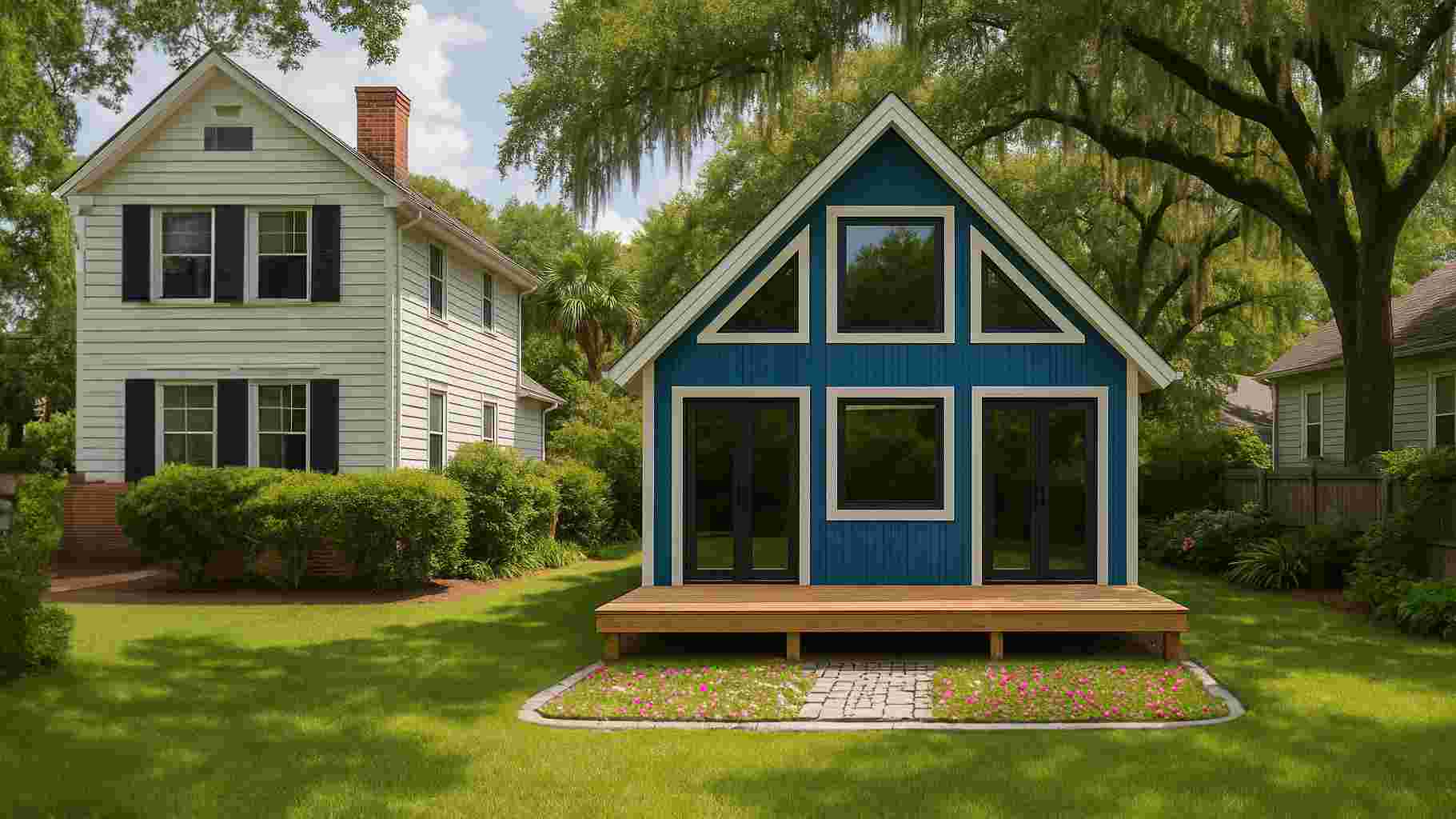
Is the $5,983 Tesla House Real? The True Cost Over 10 Years: Remember when owning a small, simple home didn’t feel like a luxury? A time when downsizing meant freedom, not fear? Now imagine being 68 years old, sitting at your kitchen table, opening a rent notice that just went up again—not because you upgraded, not because you moved, but because the system decided you should pay more.
That’s exactly why the viral $5,983 tiny house headline matters so much—and why it’s dangerously misunderstood.
This article isn’t hype. It’s a slow, honest breakdown of what that number really means, what it doesn’t mean, and what the true cost of a so-called “Tesla tiny house” looks like over 10 years. If you’re retired, nearing retirement, or simply trying to protect your savings, this is information you cannot afford to skip.
What Does the $5,983 Price Actually Mean?
Here’s the uncomfortable truth: $5,983 does not automatically mean a livable house.
That number can represent three completely different things, and confusing them is where people get burned.
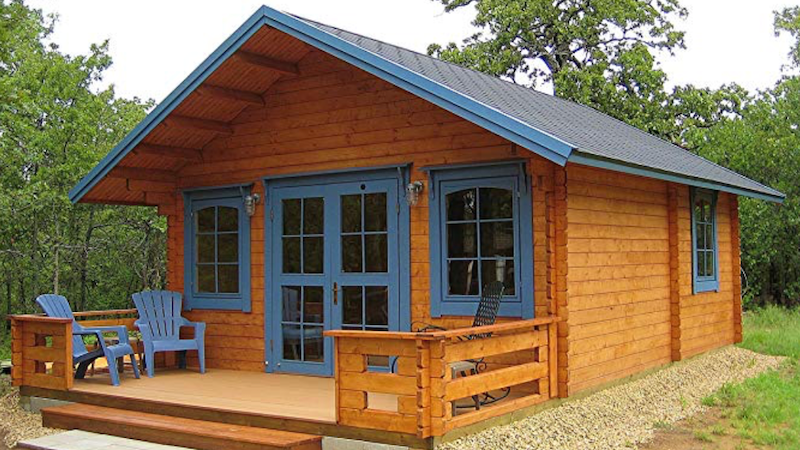
1. The Shell: Not a Home, Just a Structure
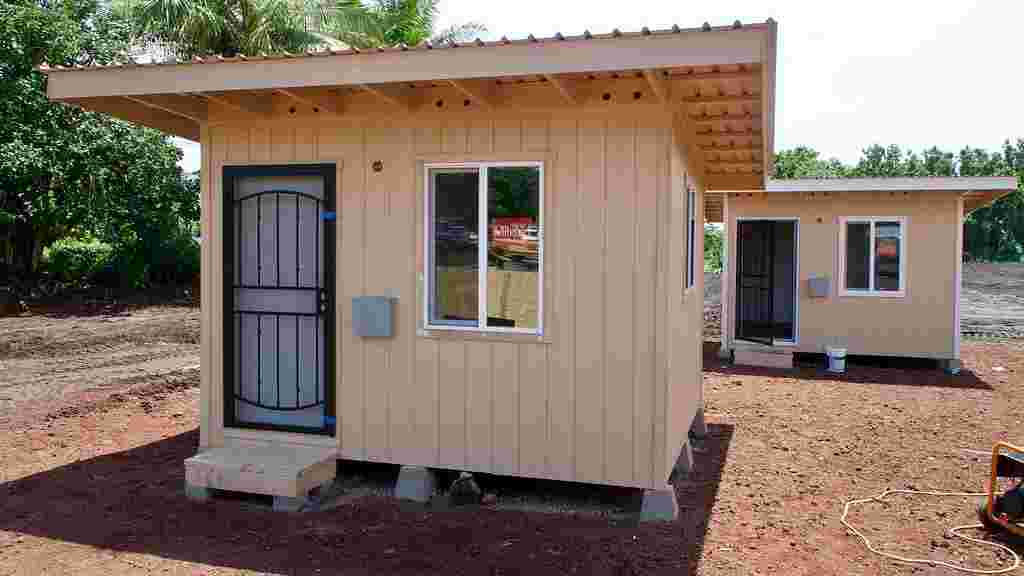
The first—and cheapest—version is the shell.
This usually includes:
- A basic frame
- Exterior walls
- A roof
And that’s it.
No electrical wiring. No plumbing. No real insulation.
It’s closer to a storage shed than a home.
Think of it like buying a car that looks finished on the outside—but there’s no engine under the hood.
Many viral videos quietly sell this version while letting your imagination fill in the rest.
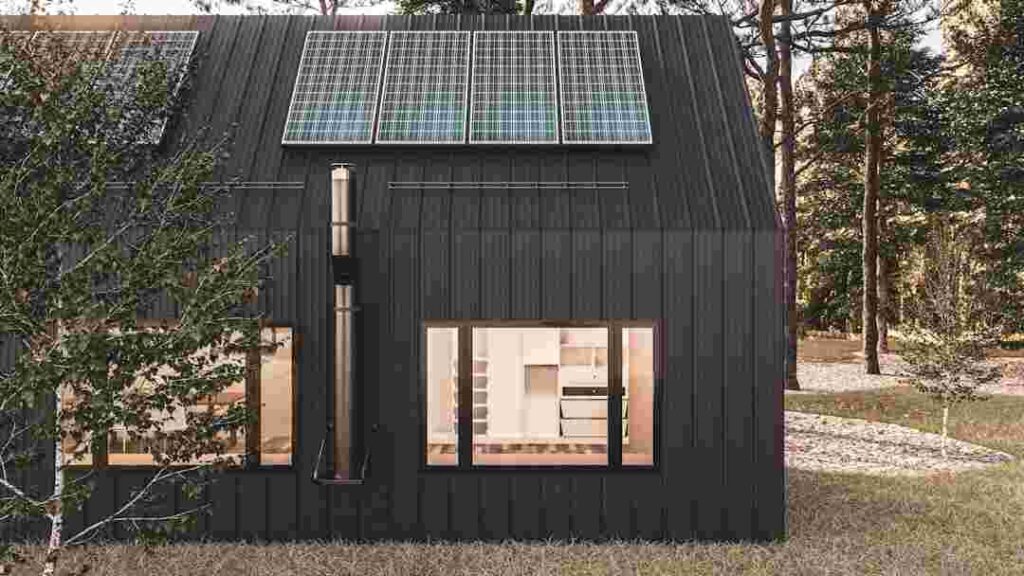
2. A Livable Tiny House: The Bare Minimum for Safety
What most people assume they’re getting is a livable tiny home.
This means:
- Electrical wiring that meets code
- Plumbing that actually works
- A functional bathroom
- Insulation that can survive Minnesota winters and Arizona summers
This is the point where a structure stops being a project and starts being safe.
Livable does not mean fancy.
It means you’re not risking your health—or your life.
3. Independent Living: The Dream Everyone Pictures
This is the version people imagine when they hear words like Tesla, solar, and off-grid.
It includes:
- Solar panels
- Battery storage
- Climate control
- Power even when the grid goes dark
It’s real. The technology works.
But this is also where the price quietly jumps the most.
Why Viral Videos Get This Wrong
Most viral content sells you version one (the shell) and lets your brain assume version three (independent living).
Retirees don’t live in imagination.
They live in reality.
And reality almost always means tier two or tier three.
When you add:
- Professional installation
- Permits
- Code-compliant systems
That $5,983 headline can balloon by another $15,000 to $25,000 fast.
That number isn’t the bill.
It’s an invitation to start spending.
What Does It Really Cost to Make a Tiny House Livable?
This is where most people stop reading—and where the real money shows up.
Electrical Systems: $3,000–$5,000
A safe electrical system includes:
- Wiring
- Breaker panels
- Outlets
- Licensed labor
Skipping this doesn’t save money.
It creates a fire hazard.
Plumbing and Bathroom: $2,500–$4,500
This covers:
- Water supply lines
- Drainage
- A working toilet and sink
Without proper plumbing, a house isn’t a house—it’s a temporary shelter.
Insulation: $2,000–$3,500
Real insulation matters more than people think.
Without it:
- Heating and cooling costs explode
- Rooms become unusable
- Comfort disappears
Climate Control: $1,800–$3,200
A mini-split or similar system isn’t a luxury.
For retirees, it’s health.
The Real Total (Before Solar)
Before batteries.
Before solar panels.
Before anything futuristic.
You’re already looking at $9,000–$16,000 on top of the base price.
Why This Hits Harder in Retirement
If you’re living on Social Security, a surprise $10,000 expense doesn’t just hurt—it erases months of income.
Imagine:
- You’ve moved in
- You’ve told family you’re settled
- Then you learn the electrical system alone needs thousands more
That’s not just stressful. It’s destabilizing.
So the real question isn’t “What’s the cheapest tiny house?”
It’s “Are the costs predictable enough to plan around?”
The Myth of Off-Grid = Free Forever
This is where the story usually turns magical.
Off-grid.
Free power.
No utility bills.
Total independence.
Here’s the reality: off-grid doesn’t mean expense-free.
Solar Panels and Batteries Age
- Panels need cleaning, especially in dusty states
- Batteries degrade slowly every year
A Powerwall-style battery typically carries a 10-year warranty.
Sounds reassuring—until you realize what happens in year 11.
Replacement cost today: around $11,500.
Insurance Costs: $600–$1,200 Per Year
A tiny home with $20,000 in solar and batteries isn’t cheap to insure.
In storm-prone states, it’s often higher.
Skip insurance, and one bad weather event can erase years of savings overnight.
Site Fees Don’t Disappear
If your home sits on leased land:
- $200–$800 per month
- Every month
- Forever
The sun doesn’t cancel rent.
Off-Grid Changes When You Pay, Not If You Pay
A $400 monthly utility bill is annoying—but predictable.
An $11,500 battery replacement every 10 years works out to about $95 a month only if you save for it.
Most people aren’t warned early enough to do that.
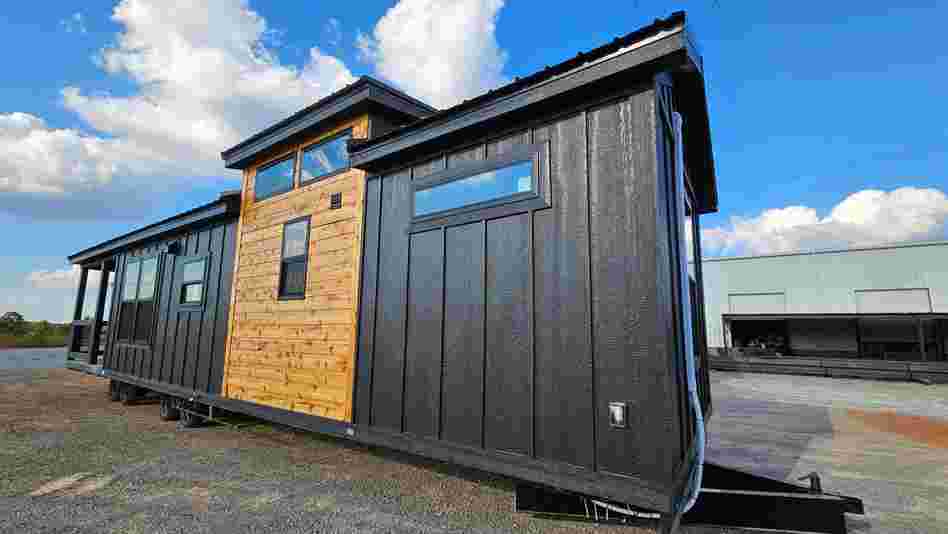
What Happens If You Don’t Have the Battery Money?
Without storage:
- An off-grid home isn’t independent
- It becomes a very expensive shed
- You’re forced back onto the grid
That’s the risk no one explains clearly.
Where Can a Tiny House Legally Go?
This is the dream-killer.
Not price.
Not size.
Location.
Option 1: Owning Land
- Texas: $5,000–$15,000 for rural land
- California: $30,000–$50,000+
Then come property taxes, every year, forever.
Option 2: Backyard ADU
Some cities allow it. Many don’t.
Even when legal:
- Permits: $1,500–$3,000
- Utility hookups: thousands more
- Property taxes often increase
Some retirees have spent tens of thousands—only to be shut down later.
Option 3: Tiny Home Communities
Most accessible—but not cheap.
- $400–$800 per month
- Over 10 years: $48,000–$96,000
- Fees almost always rise
A $595 monthly site fee equals $71,000 over a decade—just for the ground.
The $100,000 “Cheap” Housing Reality
Add it all up:
- Base house
- Livable systems
- Solar equipment
- Site fees
That “cheap” tiny home quietly climbs past $100,000.
Still less than assisted living—but very different from viral promises.
Zoning, Taxes, and Permits: The Silent Killers
Tiny doesn’t mean gentle in the eyes of the government.
- Permanent foundation = property taxes
- On wheels = annual RV registration ($200–$600/year)
Permits alone often cost $1,500–$5,000.
Skip them, and fines can snowball fast.
A $500 fine can turn into $5,000 if ignored.
Why This Matters on a Fixed Income
If you’re living on around $1,900 per month, surprise bills aren’t just stressful—they’re destabilizing.
Budgeting $3,000–$5,000 in the first year for compliance can be the difference between peace and constant anxiety.
The Bottom Line
A $5,983 headline is exciting.
But a safe retirement plan is built on boring details—the kind viral videos skip.
Today, you didn’t get a dream.
You got a framework.
A way to evaluate:
- What the price really includes
- What off-grid actually costs
- Where a tiny home can legally go
- What taxes and permits follow it
If Tesla ever releases something official, the only responsible approach is the same one:
no hype, no guessing—just numbers, contracts, and consequences.
That knowledge is worth far more than a rumor.
FAQs
1. Is the $5,983 Tesla tiny house real?
The $5,983 price is real, but it typically refers to a basic shell, not a fully livable home. It usually does not include electrical systems, plumbing, insulation, appliances, or permits.
2. Does $5,983 include electricity and plumbing?
No. Electrical wiring and plumbing are almost never included at that price. Adding code-compliant systems usually costs $5,500 to $9,500 extra.
3. Can you live in a $5,983 tiny house year-round?
Not safely. Without proper insulation, climate control, plumbing, and electrical systems, a shell is not suitable for full-time living, especially in extreme heat or cold.
4. How much does it really cost to make a tiny house livable?
On average, expect to spend $9,000 to $16,000 on top of the base price just to reach basic livability, before solar or off-grid upgrades.
5. What is the total cost of a tiny house with solar and batteries?
A tiny house with solar panels, battery storage, and full utilities often costs $35,000 to $60,000, depending on system size and installation.
6. Is off-grid living actually free?
No. Off-grid living shifts costs, it doesn’t eliminate them. Battery replacements, inverter failures, insurance, and maintenance still add up over time.
7. How long do solar batteries last in a tiny home?
Most lithium battery systems last 8–12 years. Replacement costs today average around $11,000–$12,000 once warranties expire.
8. Do tiny homes require insurance?
Yes. A tiny home—especially one with solar and batteries—typically costs $600 to $1,200 per year to insure, depending on location and risk factors.
9. Where can you legally place a tiny house?
Legal placement depends on county and city zoning, not just the state. Tiny homes may be classified as RVs, ADUs, or permanent dwellings, each with different rules.
10. Can I put a tiny house on my own land?
Sometimes. Even on private land, zoning laws, minimum square footage rules, and utility requirements may apply. Always check local county codes first.
11. What are tiny home site fees in communities?
Tiny home communities typically charge $400 to $800 per month. Over 10 years, that can total $48,000 to $96,000, and fees often increase.
12. Do tiny homes have property taxes?
If the tiny home is on a permanent foundation, yes. If it’s classified as an RV, you may avoid property tax but pay annual registration fees instead.
13. How much do permits for a tiny home cost?
Permits for electrical, plumbing, zoning, and inspections usually total $1,500 to $5,000, depending on the county and state.
14. What happens if you don’t get permits for a tiny house?
Fines can start at hundreds of dollars per day and escalate quickly. Some areas issue cease-and-desist orders or require removal of the structure.
15. Are tiny homes a good option for retirees?
They can be—but only with realistic budgeting. Unexpected expenses are harder to absorb on fixed incomes, making planning and compliance critical.
16. Is a tiny home cheaper than assisted living?
Often yes, but it’s not “almost free.” Over 10 years, a properly set up tiny home can still exceed $100,000 when land, fees, and maintenance are included.
17. What is the biggest hidden cost of tiny homes?
Location costs—site fees, permits, zoning compliance, and future rule changes—end more tiny home plans than the house price itself.
Read More:
- 199 Tesla Pi Phone + “Lifetime” Starlink Internet, XOS, LEAKED (2026)
- Elon Musk confirms SpaceX is not developing a phone
- Anti-Tesla union leader ditches X, urges use of Threads instead
- Samsung nears Tesla AI chip ramp with early approval at TX factory
- Tesla launches Cybertruck vehicle-to-grid program in Texas
- FCC accepts SpaceX filing for 1 million orbital data center plan
1 thought on “Is the $5,983 Tesla House Real? The True Cost Over 10 Years”