
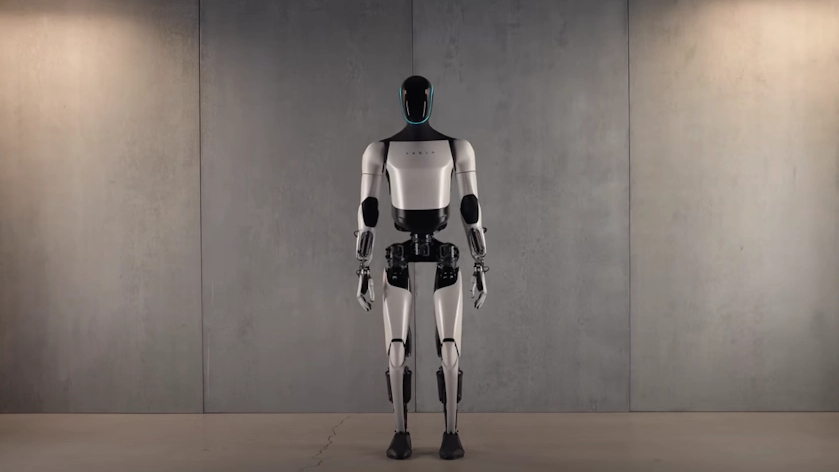
The world of robotics is entering a revolutionary era, and Tesla Bot Gen 3, also known as Optimus Gen 3, is at the center of this transformation. For decades, humanoid robots captured public attention through impressive demonstrations such as dancing, backflips, and obstacle navigation. While these performances showcased technological advancement, they rarely translated into practical applications in everyday life.
Today, Tesla is changing that narrative. Instead of building robots designed solely for demonstrations, the company is developing a general-purpose labor platform capable of performing meaningful work in factories, warehouses, offices, and eventually homes. With advanced artificial intelligence, custom silicon, human-like dexterity, and scalable manufacturing capabilities, Tesla Optimus Gen 3 is positioned to become one of the most disruptive technologies of the decade.
In this article, we explore how Tesla’s latest humanoid robot is moving beyond flashy demonstrations and taking significant steps toward replacing housekeepers, factory workers, and repetitive labor roles worldwide.
The Evolution of Humanoid Robots: From Entertainment to Productivity
For years, humanoid robots were primarily research projects. Companies invested heavily in building machines capable of walking, balancing, and performing carefully scripted actions. While these achievements were impressive, they offered limited real-world value.
The Legacy Robotics Era
Traditional humanoid robots typically operated under strict conditions:
- Controlled environments
- Pre-programmed movements
- Limited adaptability
- High operating costs
- Minimal commercial utility
Most robots could perform specific tasks only after extensive programming and supervision. Once they encountered unexpected situations, their effectiveness dropped dramatically.
The Tesla Optimus Era
Tesla is introducing a fundamentally different approach:
Flashy Demonstrations → Real-World Work
Instead of proving a robot can walk, Tesla focuses on proving that a robot can work productively for hours in dynamic environments.
The primary objective is no longer mobility but economic usefulness. Tesla wants Optimus Gen 3 to perform tasks that generate measurable value, whether in manufacturing facilities, logistics centers, or residential homes.
Why Tesla Is Deploying Optimus in Factories First
Many people assume Tesla’s humanoid robot will immediately arrive in homes. However, Tesla’s strategy is much more practical.
Factories Provide Structured Learning Environments
Manufacturing facilities offer:
- Predictable layouts
- Repetitive tasks
- Controlled workflows
- Consistent object placement
These conditions make it easier for AI systems to learn physical interactions compared to highly unpredictable household environments.
Massive Real-World Data Collection
Every Optimus robot deployed inside Tesla factories continuously gathers valuable operational data.
Benefits include:
- Millions of training cycles
- Improved motion planning
- Better object recognition
- Enhanced safety performance
- Continuous AI learning
This real-world data becomes essential for preparing Optimus to handle complex household responsibilities in the future.
Building Reliability Before Consumer Launch
Tesla understands that homeowners expect near-perfect reliability. A robot tasked with cleaning, organizing, cooking assistance, or elderly care must function safely and consistently.
Factory deployment allows Tesla to refine performance before introducing the robot into homes.
AI5 Processor: The Brain Behind Tesla Bot Gen 3
One of the most significant innovations in Optimus Gen 3 is Tesla’s custom-designed AI5 computing platform.
Why Cloud Computing Isn’t Enough
A humanoid robot operating in a dynamic environment cannot afford delays.
Even a small delay could cause:
- Dropped objects
- Workplace accidents
- Navigation failures
- Safety hazards
Unlike many robotic systems that depend heavily on cloud servers, Optimus processes information directly inside its own body.
Desktop-Class AI Performance
The AI5 processor delivers computational power comparable to high-end AI servers while maintaining remarkable energy efficiency.
Key advantages include:
- Real-time decision making
- Low latency processing
- Advanced computer vision
- Motion planning
- Spatial awareness
- Autonomous navigation
Edge Computing Advantage
Because Optimus operates entirely on the edge, it can instantly react to changing environments without requiring internet connectivity.
This capability is critical for:
- Household tasks
- Warehouse operations
- Factory work
- Human interaction
- Safety monitoring
The AI5 chip essentially transforms Optimus into a self-contained intelligent worker.
The 22-Degree-of-Freedom Hand: A Major Breakthrough
Walking is important, but hands determine whether a robot can perform useful work.
Human hands are incredibly sophisticated. They can grip heavy objects, handle fragile items, and perform detailed manipulation tasks.
Tesla’s Optimus Gen 3 introduces a 22-degree-of-freedom hand, bringing robotic dexterity closer than ever to human capability.
Evolution of Tesla’s Robotic Hands
Optimus Gen 1
- Basic grippers
- Limited movement
- Industrial-style handling
Optimus Gen 2
- Approximately 11 degrees of freedom
- Improved object manipulation
- Early tactile sensing
Optimus Gen 3
- 22 degrees of freedom
- Multi-axis finger articulation
- Near-human dexterity
- Enhanced tactile control
What Can the New Hands Do?
The advanced hand system allows Optimus to:
- Fold laundry
- Wash dishes
- Organize groceries
- Pick up toys
- Handle tools
- Sort inventory
- Perform assembly tasks
Most importantly, the robot can transition between delicate and forceful actions without changing hardware.
For example:
- Lift an egg without cracking it
- Grip a heavy tool securely
- Handle glassware safely
- Manipulate household objects precisely
This versatility is essential for replacing housekeepers and assisting with domestic chores.
Custom Actuators: Engineering Human-Like Movement
Achieving human-like motion requires much more than advanced software.
Tesla developed custom actuator systems specifically designed for different parts of the robot.
Leg and Hip Actuators
These components provide:
- High torque output
- Structural support
- Dynamic balance
- Walking stability
The lower body enables Optimus to move safely while carrying loads.
Shoulder and Wrist Systems
These actuators support:
- Smooth arm movement
- Multi-directional rotation
- Precise positioning
Such flexibility allows the robot to interact naturally with household objects and work equipment.
Finger Actuator Networks
The fingers use ultra-compact actuator systems that control:
- Grip strength
- Finger positioning
- Pressure sensitivity
- Fine motor control
This sophisticated engineering helps Optimus perform tasks previously impossible for humanoid robots.
Ruggedized Design for Real-World Conditions
Earlier robot prototypes often exposed wiring, mechanical joints, and internal hardware.
Tesla has transformed Optimus Gen 3 into a fully enclosed commercial product.
Protective Polymer Shells
The robot features:
- Durable outer panels
- Advanced composite materials
- Consumer-friendly aesthetics
- Enhanced protection
The streamlined design resembles a polished consumer product rather than an engineering prototype.
Water and Dust Resistance
Household environments present numerous challenges:
- Dust accumulation
- Water exposure
- Cleaning chemicals
- Moisture fluctuations
Tesla addressed these concerns by improving environmental protection across the entire robot.
Sealed Finger Technology
The hands are among the most vulnerable components of any humanoid robot.
Tesla developed sealed finger systems that protect:
- Internal sensors
- Wiring networks
- Force feedback mechanisms
- Electronic components
This protection allows Optimus to perform tasks such as:
- Dishwashing
- Surface cleaning
- Household organization
- Kitchen assistance
without compromising long-term reliability.
Tesla’s Manufacturing Advantage
Many robotics companies can build impressive prototypes.
Very few can manufacture millions of robots.
Tesla’s greatest strength may not be artificial intelligence—it may be manufacturing.
Applying the Automotive Playbook
Tesla successfully scaled production of:
- Electric vehicles
- Battery systems
- Power electronics
- Autonomous driving hardware
The company is now applying the same strategy to humanoid robotics.
Vertical Integration
Tesla designs and manufactures key components internally, including:
- AI processors
- Actuators
- Battery systems
- Structural components
- Software platforms
This approach reduces:
- Supplier dependency
- Production costs
- Supply chain disruptions
while increasing quality control.
Lowering Robot Costs
One of Tesla’s primary goals is to dramatically reduce the cost of humanoid robots.
By leveraging mass production techniques, Optimus could eventually cost significantly less than competing humanoid platforms.
This cost reduction is critical for widespread adoption.
Fleet Intelligence: Every Robot Makes Every Robot Smarter
One of the most powerful features of Optimus Gen 3 is Tesla’s fleet learning architecture.
Learning Through Collective Experience
Every deployed robot acts as both:
- A productive worker
- A data collection platform
When a robot encounters a new challenge, it records valuable information.
Examples include:
- Unusual object handling
- Navigation obstacles
- Cleaning techniques
- Equipment interactions
Centralized AI Training
The collected data is transmitted to Tesla’s AI training infrastructure where models are continuously improved.
Over-the-Air Updates
After improvements are validated:
- New capabilities are packaged into software updates.
- Updates are distributed across the entire Optimus fleet.
As a result, if one robot learns a better way to perform a task, every robot benefits.
This creates an unprecedented cycle of collective intelligence growth.
Natural Communication Through Large Language Models
For robots to become household assistants, they must communicate naturally.
People do not want to program robots using code.
They want to speak normally.
Voice-Based Interaction
Tesla is reportedly integrating conversational AI technologies similar to Grok into the Optimus ecosystem.
Users can issue commands naturally:
“Please clean the living room and put the toys away.”
The robot then:
- Understands the request.
- Breaks it into subtasks.
- Identifies relevant objects.
- Plans execution.
- Performs the work.
Improved User Experience
Natural language interaction offers several advantages:
- Easier adoption
- Reduced learning curve
- Greater accessibility
- Better customer satisfaction
This capability may be one of the most important factors driving widespread household acceptance.
How Tesla Bot Gen 3 Could Replace Housekeepers
The title “Replacing Housekeepers” may sound dramatic, but Tesla’s long-term vision directly supports this possibility.
Common Household Tasks Optimus Could Handle
Potential responsibilities include:
- Vacuuming floors
- Folding laundry
- Organizing rooms
- Loading dishwashers
- Grocery management
- Taking out trash
- Cleaning surfaces
- Basic meal preparation assistance
Benefits for Homeowners
A capable household robot could provide:
- Time savings
- Reduced physical workload
- Elderly assistance
- Support for busy families
- Improved home organization
As AI and dexterity continue improving, Optimus may become a valuable household companion rather than simply a robotic tool.
Impact on the Global Labor Market
The emergence of advanced humanoid robots raises significant economic questions.
Industries Most Likely to Be Affected
Potential sectors include:
- Manufacturing
- Warehousing
- Logistics
- Retail operations
- Hospitality
- Domestic services
Workforce Transformation
Rather than eliminating all jobs immediately, humanoid robots may initially:
- Handle repetitive tasks
- Improve productivity
- Address labor shortages
- Support human workers
Over time, the relationship between humans and intelligent machines will continue evolving.
The Future of Tesla Optimus
Tesla’s ambitions extend far beyond factories.
Future applications may include:
- Home assistance
- Elder care
- Healthcare support
- Retail operations
- Security monitoring
- Commercial services
As manufacturing scales and costs decline, Optimus could become as common as personal computers or smartphones.
The company’s global Gigafactory network provides a unique advantage in achieving mass adoption.
Conclusion
Tesla Bot Gen 3 represents far more than another robotics project. It signals the beginning of a new era in which humanoid robots transition from research curiosities into practical workers capable of delivering real economic value.
By combining the power of the AI5 edge processor, 22-degree-of-freedom robotic hands, advanced custom actuators, ruggedized commercial design, and fleet-wide learning architecture, Tesla has created one of the most ambitious humanoid robotics platforms ever developed.
Most importantly, Tesla is approaching robotics with the same manufacturing mindset that transformed the electric vehicle industry. If the company successfully scales production and reduces costs, Optimus could become the first truly mass-market humanoid robot.
The vision is clear: a future where intelligent robots assist in factories, warehouses, offices, and homes, handling repetitive tasks while continuously improving through shared learning. If Tesla succeeds, Optimus Gen 3 may not simply replace housekeepers—it could fundamentally redefine the concept of labor itself.
FAQs
1. What is Tesla Bot Gen 3?
Tesla Bot Gen 3, also known as Optimus Gen 3, is Tesla’s latest humanoid robot designed to perform real-world tasks in factories, warehouses, offices, and homes. It features advanced AI, human-like dexterity, and autonomous decision-making capabilities.
2. How is Optimus Gen 3 different from previous Tesla Bot versions?
The biggest improvements include a 22-degree-of-freedom hand, enhanced AI processing through the AI5 chip, improved mobility, better environmental protection, and significantly greater dexterity for handling complex tasks.
3. Can Tesla Bot Gen 3 replace housekeepers?
Tesla’s long-term vision is for Optimus to perform many household chores such as cleaning, organizing, folding laundry, loading dishwashers, and assisting with daily tasks, potentially reducing the need for traditional housekeeping services.
4. What tasks can Tesla Optimus perform in a home?
The robot is expected to handle tasks such as vacuuming, organizing rooms, picking up toys, carrying groceries, folding clothes, cleaning surfaces, and assisting with basic household management.
5. What is the AI5 processor in Optimus Gen 3?
The AI5 processor is Tesla’s custom-built onboard AI computer that enables real-time decision-making, computer vision processing, object recognition, and motion planning without relying on cloud computing.
6. Why does Tesla process data locally instead of using the cloud?
Local processing eliminates internet latency, allowing Optimus to make instant decisions. This is critical for safe operation when handling objects, navigating environments, and interacting with people.
7. What does 22 degrees of freedom mean in Optimus’ hands?
It refers to the number of independent movements the robotic hand can perform. With 22 degrees of freedom, Optimus can achieve near-human dexterity for gripping, manipulating, and handling objects with precision.
8. How does Tesla Bot learn new skills?
Every Optimus robot collects real-world operational data. Tesla uses this information to improve AI models and distribute updates across the entire robot fleet through over-the-air software updates.
9. Will one robot’s learning benefit all Optimus robots?
Yes. Tesla’s fleet learning system allows skills and improvements learned by one robot to be shared with the entire global Optimus network through software updates.
10. Is Tesla Optimus waterproof?
While not fully waterproof, Optimus Gen 3 features improved water-resistant and dust-resistant protection, including sealed joints and protected electronics designed for everyday household and industrial environments.
11. Why is Tesla testing Optimus in factories first?
Factories provide structured environments with repetitive tasks, making them ideal for training AI systems while generating large amounts of real-world data before deploying robots into unpredictable home settings.
12. How does Optimus communicate with humans?
Tesla is integrating advanced natural language processing and voice interaction systems, allowing users to communicate with the robot using normal conversational speech.
13. Can Optimus understand voice commands?
Yes. Users can give verbal instructions, and the robot can interpret requests, break them into individual tasks, and execute them autonomously.
14. What industries could benefit from Tesla Optimus?
Potential industries include manufacturing, warehousing, logistics, retail, healthcare, hospitality, security, construction support, and domestic services.
15. Will Tesla Bot Gen 3 replace human workers?
Initially, Optimus is expected to assist with repetitive, physically demanding, or labor-intensive tasks. While some jobs may evolve, the robot is more likely to augment human productivity before replacing large segments of the workforce.
16. What makes Tesla’s approach to robotics unique?
Tesla combines artificial intelligence, custom silicon, vertical integration, mass manufacturing expertise, and fleet learning technology, creating a scalable ecosystem that few robotics companies can match.
17. When will Tesla Bot Gen 3 be available for consumers?
Tesla is currently focusing on factory deployment and large-scale testing. While no official global consumer release timeline has been confirmed, broader availability is expected after sufficient validation, manufacturing scale-up, and software refinement.
Read More:
- How NASA Will Build a Moon Base
- Tesla just did something in South Korea that no foreign carmaker has ever done
- Tesla tipped its hand at where Robotaxi is heading next
- Tesla revises FSD transfer policy on new Cybertruck trim, causing cancellations
- Elon Musk CONFIRMED! Tesla Cybercab Mass Deliveries Are Finally Here