
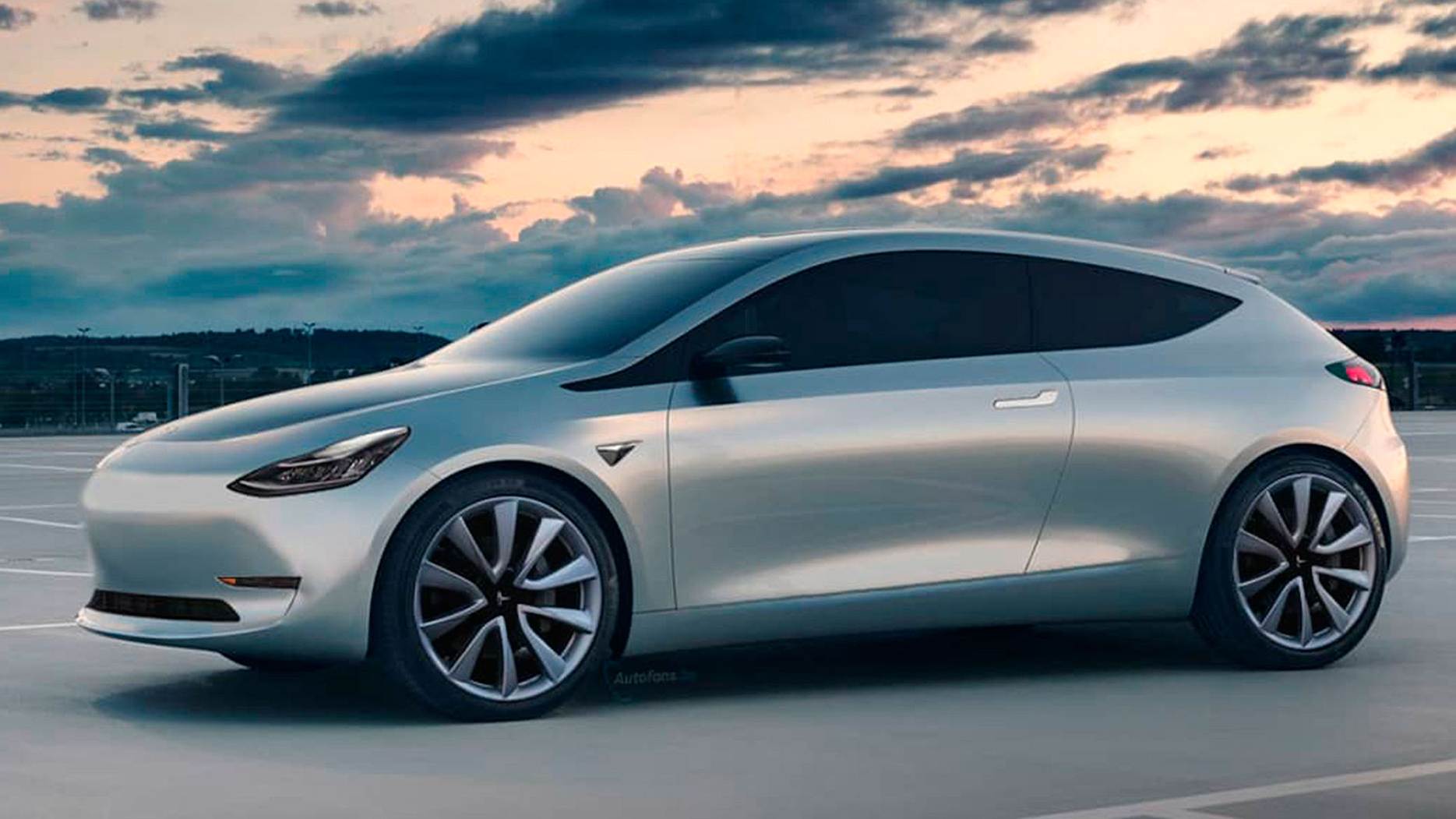
New $20K Tesla Model 2 Senior Edition Aluminum Battery 6-Min Charge & Model 3 Shock: For years, Tesla owners believed they had purchased one of the safest long-term investments in the electric vehicle (EV) market. Thanks to Tesla’s Supercharger network, over-the-air software updates, outstanding efficiency, and reliable battery technology, many expected their vehicles to retain value better than traditional cars.
However, 2026 is changing the rules of the EV industry. The next phase of electric vehicles is no longer defined only by driving range, acceleration, or advanced software. Instead, battery chemistry is becoming the biggest factor shaping the future of electric cars.
Two emerging technologies—Sodium-Ion (Na-ion) and Aluminum-Ion (Al-ion) batteries—are beginning to reshape consumer expectations. While these batteries are at different stages of development, both have the potential to influence EV prices, depreciation, and buying decisions over the coming years.
Why Battery Chemistry Matters More Than Ever
The value of an electric vehicle depends heavily on its battery technology. As newer battery chemistries become cheaper, safer, and faster to charge, older lithium-ion vehicles may experience increased depreciation.
This isn’t because existing EVs suddenly become poor vehicles. Instead, consumer expectations evolve rapidly when new technologies enter the market.
For Tesla owners, this means that resale values could face additional pressure as battery innovation accelerates.
H2: Sodium-Ion Batteries Could Lower EV Prices
H3: A More Affordable Alternative to Lithium
One of the biggest threats to current EV pricing is Sodium-Ion battery technology.
Unlike lithium, sodium is widely available across the world and can be sourced from common salt. This abundance significantly reduces supply chain risks and manufacturing costs.
Lower production costs allow automakers to build more affordable electric vehicles, making EV ownership accessible to a larger audience.
As new low-cost EVs arrive, older lithium-powered vehicles may have to compete with brand-new models at similar price points.
H3: CATL Is Driving Commercial Production
The world’s largest battery manufacturer, CATL, is leading commercial Sodium-Ion development through its Naxtra battery platform.
Rather than remaining a laboratory experiment, Sodium-Ion batteries are expected to move toward mass production during late 2026.
This timeline matters because it means the technology is approaching real-world deployment instead of remaining a distant concept.
H2: Better Cold Weather Performance
One of the common complaints about lithium-ion batteries is reduced driving range during winter.
Cold temperatures can lower EV range by 20% to 25%, depending on weather conditions and driving habits.
Sodium-Ion batteries demonstrate stronger low-temperature performance, allowing vehicles to maintain more consistent range in colder climates.
For many buyers, predictable winter performance is more valuable than extreme acceleration or record-breaking range figures.
H2: Improved Battery Safety
Safety remains one of the most important factors for EV buyers.
Although battery fires remain statistically rare, public perception continues to influence purchasing decisions.
Sodium-Ion batteries are designed with improved thermal stability, reducing the risk of thermal runaway, one of the primary concerns associated with lithium-based batteries.
Manufacturers that can market safer battery technology may gain a competitive advantage in the coming years.
H2: Aluminum-Ion Batteries Promise Ultra-Fast Charging
While Sodium-Ion focuses on affordability, Aluminum-Ion batteries target performance.
Researchers have demonstrated laboratory charging times from 0% to 100% in approximately six minutes, dramatically faster than today’s lithium-ion batteries.
Although this technology remains in the research and prototype stage, it has already captured worldwide attention.
If future commercial versions approach these charging speeds, public expectations for EV charging could change dramatically.
H3: Why Six-Minute Charging Matters
Today’s fastest EV charging sessions generally require around 20 to 30 minutes for meaningful battery replenishment.
A six-minute charging experience would feel much closer to refueling a gasoline vehicle.
Even before Aluminum-Ion batteries reach mass production, awareness of this technology can influence how consumers view current EVs.
This shift in expectations may contribute to additional depreciation for older battery technologies over time.
H2: Current Challenges for Aluminum-Ion Batteries
Despite impressive laboratory achievements, Aluminum-Ion batteries are not yet ready for large-scale commercial vehicles.
Current energy density remains significantly lower than modern lithium-ion batteries, limiting driving range.
Engineers must also solve challenges involving manufacturing, durability, battery management systems, and long-term reliability before widespread adoption becomes possible.
For now, Aluminum-Ion remains an exciting technology with strong future potential rather than an immediate replacement.
H2: How These Technologies Could Affect Tesla Resale Values
Tesla vehicles continue to offer excellent efficiency, software, charging infrastructure, and overall ownership experience.
However, resale value depends not only on current performance but also on future market expectations.
If affordable Sodium-Ion vehicles become widely available, buyers may compare used Teslas with cheaper new EVs.
Likewise, if ultra-fast charging becomes the next industry benchmark, today’s charging times may gradually appear outdated.
These changing perceptions could place additional pressure on used EV prices.
H2: Should Tesla Owners Be Worried?
Not necessarily.
A Tesla Model 3 or Model Y purchased today remains a highly capable electric vehicle with excellent technology and low operating costs.
Owners planning to keep their vehicles for seven to ten years are unlikely to experience significant day-to-day disadvantages simply because new battery chemistries emerge.
The biggest impact is expected in the resale market rather than everyday usability.
H2: What Buyers Should Do in 2026
If you’re shopping for a used Tesla, the arrival of newer battery technologies provides additional leverage during price negotiations.
If you’re planning to sell your current EV within the next year or two, monitoring battery technology developments may help you decide the best time to list your vehicle.
For long-term owners, continuing to enjoy the vehicle often makes more financial sense than worrying about future depreciation.
Conclusion
The future of electric vehicles is entering a new chapter powered by Sodium-Ion and Aluminum-Ion battery innovation.
Sodium-Ion batteries aim to reduce costs, improve safety, and simplify manufacturing, making affordable EVs more accessible. Meanwhile, Aluminum-Ion batteries have demonstrated remarkable laboratory charging speeds that could eventually redefine consumer expectations.
While these technologies are at different stages of maturity, they highlight one important reality: battery chemistry is becoming the defining factor in the next generation of electric vehicles.
Tesla remains one of the strongest EV brands on the market, but even industry leaders must adapt as battery technology continues to evolve. For buyers and owners alike, understanding these developments can help make smarter purchasing and ownership decisions in an increasingly competitive EV landscape.
FAQs
1. What is a Sodium-Ion battery?
A Sodium-Ion (Na-ion) battery is a rechargeable battery that uses sodium instead of lithium. Since sodium is abundant and inexpensive, it has the potential to reduce EV manufacturing costs while improving supply chain stability.
2. How is a Sodium-Ion battery different from a Lithium-Ion battery?
The main difference is the material used. Sodium-Ion batteries use sodium, which is widely available, while Lithium-Ion batteries rely on lithium, a more expensive and limited resource. Sodium-Ion batteries also offer better performance in cold temperatures but currently have lower energy density.
3. What is an Aluminum-Ion battery?
An Aluminum-Ion battery is an emerging battery technology that replaces lithium with aluminum. It has attracted attention for its extremely fast charging potential and the use of abundant raw materials.
4. Can Aluminum-Ion batteries really charge in six minutes?
Laboratory tests have demonstrated 0% to 100% charging in around six minutes for experimental Aluminum-Ion cells. However, this technology has not yet been commercialized for mass-produced electric vehicles.
5. Will Sodium-Ion batteries replace Lithium-Ion batteries?
Not completely. Industry experts expect Sodium-Ion batteries to complement Lithium-Ion technology, particularly in affordable and entry-level EVs, while Lithium-Ion batteries will continue to power premium vehicles for the foreseeable future.
6. Is Tesla using Sodium-Ion batteries?
As of 2026, Tesla has not officially introduced Sodium-Ion batteries into its mainstream vehicle lineup. However, battery suppliers like CATL are actively developing the technology for future applications.
7. How could new battery technology affect Tesla resale values?
The arrival of lower-cost battery technologies could increase competition from newer EVs, potentially placing additional pressure on the resale value of older lithium-powered Tesla models.
8. Are Sodium-Ion batteries safer than Lithium-Ion batteries?
Sodium-Ion batteries are generally considered to have better thermal stability, which may reduce the risk of thermal runaway compared to some lithium-based battery chemistries.
9. Why are Sodium-Ion batteries considered cheaper?
Sodium is one of the most abundant elements on Earth and is much less expensive than lithium. This helps reduce raw material costs and simplifies battery production.
10. What is CATL’s Naxtra battery?
Naxtra is CATL’s commercial Sodium-Ion battery platform designed to support affordable electric vehicles with improved safety, cold-weather performance, and lower production costs.
11. Are Aluminum-Ion batteries available in production cars?
No. Aluminum-Ion batteries are still in the research and prototype stage. They have not yet been adopted in commercially available passenger vehicles.
12. Should Tesla owners worry about battery technology changes?
Not necessarily. Tesla vehicles remain highly efficient and practical. Battery advancements are more likely to influence future resale values than everyday driving performance.
13. Will future EVs become more affordable because of Sodium-Ion batteries?
Potentially, yes. Lower battery manufacturing costs could allow automakers to introduce more affordable electric vehicles, making EV ownership accessible to a larger number of buyers.
14. Is it a good time to buy a used Tesla?
A used Tesla can still be an excellent purchase, especially if priced competitively. Buyers should compare current prices with upcoming battery technology developments before making a decision.
15. What is the future of EV battery technology?
The future of electric vehicles will likely include multiple battery chemistries, including Lithium-Ion, Sodium-Ion, and Aluminum-Ion, with each serving different vehicle segments based on cost, performance, charging speed, and safety.
Read More:
1 thought on “New $20K Tesla Model 2 Senior Edition Aluminum Battery 6-Min Charge & Model 3 Shock”