
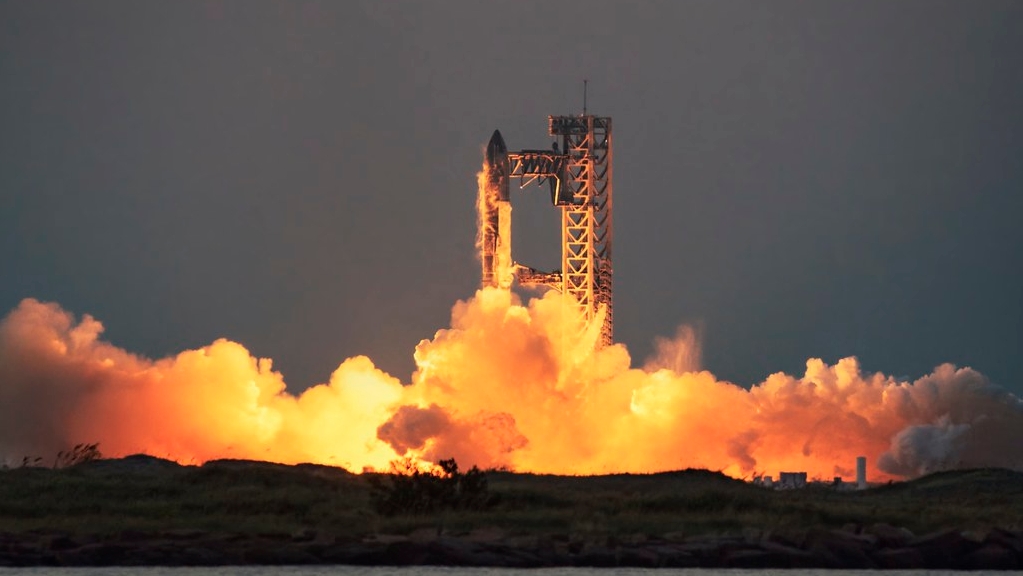
The global aerospace industry is entering one of the most exciting periods in modern history, and at the center of this momentum is SpaceX Starship Program. With Starship Flight 12 officially moving toward a May 2026 launch window, the space community is once again focused on Starbase, Texas, where engineers are racing against time to prepare the world’s most powerful rocket for another historic mission.
However, this upcoming launch is not just about rockets and engineering breakthroughs. The mission is unfolding amid launchpad damage, technical uncertainty, legal controversy, and growing political pressure on NASA’s future budget. Together, these developments are shaping what many experts describe as a defining moment for the future of American space leadership.
In this detailed breakdown, we will explore everything currently happening around Starship Flight 12, the recent launchpad problems, the lawsuit filed by South Texas residents, and why the broader aerospace sector is experiencing a launch boom unlike anything seen since the 1960s.
SpaceX Flight 12 Officially Gets a Launch Window
After weeks of speculation across the aerospace community, the long-awaited confirmation has finally arrived. The Federal Aviation Administration (FAA) has officially issued a Notice to Air Missions (NOTAM) for the next Starship test mission.
This confirmation effectively signals that SpaceX is preparing for launch operations within days.
Primary Launch Date Set for May 12, 2026
According to the FAA notice, the primary launch target for Starship Flight 12 is:
- May 12th, 2026
- Backup launch opportunities extend through May 18th, 2026
The issuance of a NOTAM is a major milestone because it formally alerts pilots and aviation authorities to avoid restricted airspace during launch operations. In the aerospace industry, this is often considered the clearest public indication that a launch is genuinely approaching.
Why the NOTAM Matters
A NOTAM is not just procedural paperwork. It reflects coordination between:
- The FAA
- Air traffic controllers
- Maritime authorities
- SpaceX launch teams
- Public safety agencies
Specific splashdown zones in the Atlantic Ocean and Gulf waters have already been mapped out, showing where parts of the rocket or hardware could land during the mission.
This level of preparation strongly suggests that SpaceX is entering the final operational phase before launch.
The Launchpad Disaster That Nearly Delayed Flight 12
Although the launch window is now official, the road to Flight 12 has been anything but smooth.
Recent testing at Starbase exposed serious issues with the launchpad infrastructure during a high-powered static fire test involving all 33 Raptor engines.
What Happened During the Static Fire Test?
During the test firing, the Orbital Launch Mount (OLM) experienced intense structural stress.
A major section of the flame trench reportedly became dislodged under the enormous pressure generated by the engines. The loose hardware then struck nearby systems, ultimately triggering a secondary explosion involving a gas generator unit.
The incident immediately raised fears that Starship Flight 12 could suffer a lengthy delay.
Why the Damage Was So Serious
The Starship launch system produces levels of force unlike anything seen in modern commercial aerospace.
The rocket’s 33 Raptor engines collectively generate:
- Massive acoustic pressure
- Extreme thermal loads
- Intense vibration waves
- Unprecedented exhaust energy
Even with reinforced infrastructure and a powerful water deluge system, the launchpad still experienced damage severe enough to require rapid intervention.
For many observers, the event highlighted the incredible engineering challenge involved in launching the largest rocket ever built.
SpaceX’s Rapid Engineering Response
One reason SpaceX continues to dominate headlines is its unique engineering philosophy.
Rather than spending years refining a single design before testing, the company embraces rapid iteration and hardware-heavy experimentation.
Pad Repairs Completed at Remarkable Speed
Following the static fire accident, SpaceX teams moved quickly to restore launch capability.
By May 4th, engineers had reportedly completed:
- Repairs to the Orbital Launch Mount
- Testing of the S-class Quick Disconnect system
- Verification of stabilizer arm operations
- Inspection and testing of the water deluge system
This turnaround was astonishingly fast considering the scale of the damage.
The “Hardware-Rich” Philosophy
SpaceX founder Elon Musk has long promoted a strategy focused on building multiple hardware systems simultaneously.
Instead of relying on a single prototype, SpaceX develops numerous components in parallel. This allows the company to:
- Replace damaged hardware quickly
- Continue testing aggressively
- Learn from failures faster
- Maintain rapid development cycles
This philosophy has helped SpaceX dramatically reduce launch costs and accelerate innovation compared to traditional aerospace programs.
Could Additional Engine Testing Delay the Launch?
Despite the official launch window, uncertainty still remains.
One of the biggest unresolved questions involves whether SpaceX engineers will require another full static fire test before Flight 12 receives final approval.
Concerns Over Engine Reliability
Previous engine tests reportedly revealed several small but concerning glitches.
Although none of the issues were catastrophic, insiders suggest some engineers remain cautious because Flight 12 is using updated Version 3 (V3) Starship standards.
This new configuration represents another major step forward in Starship’s evolution.
Why Flight 12 Is So Important
SpaceX cannot afford a major failure at this stage of development.
The company is currently under enormous pressure to demonstrate:
- Reliability
- Reusability
- Launch consistency
- Safety improvements
A failed mission could delay future milestones tied to:
- NASA Artemis contracts
- Lunar landing systems
- Commercial payload launches
- Mars mission planning
As a result, internal teams may push for additional testing even if it risks delaying the launch.
The High Bay Dilemma
One major logistical issue involves whether Starship would need to return to the high bay facility for final inspections.
Rolling the rocket back for extensive testing could consume valuable time and potentially shift the launch date beyond May.
However, reports suggest SpaceX may attempt to perform many inspections directly on the launchpad to preserve the aggressive timeline.
New Lawsuit Creates Fresh Problems for SpaceX
Just as technical concerns begin to settle, SpaceX is now facing another challenge — a lawsuit from local South Texas residents.
Residents Claim Starship Launches Are Damaging Homes
Residents from:
- Port Isabel
- South Padre Island
have reportedly filed legal complaints alleging that Starship launches are causing structural damage to nearby properties.
The lawsuit claims that intense vibrations and sound pressure generated during launches are affecting homes across the region.
The Noise Problem
According to the complaint, launch noise levels can reportedly exceed:
- 110 decibels
That level of sound intensity is comparable to standing near a live rock concert or industrial machinery.
Residents allege the effects include:
- Cracked foundations
- Broken windows
- Structural shaking
- Property stress damage
These accusations add a new layer of complexity to SpaceX’s already challenging launch campaign.
Why This Lawsuit Matters
SpaceX has already survived numerous environmental and regulatory battles over the years.
However, lawsuits involving direct residential damage could become far more complicated.
Potential Legal Risks
If courts determine that launches are physically damaging nearby homes, SpaceX could face:
- Compensation demands
- Additional environmental reviews
- Operational restrictions
- Launch schedule disruptions
Although it remains unclear whether the lawsuit will directly impact Flight 12, the legal pressure is likely to intensify as Starship launch frequency increases.
Balancing Innovation and Community Impact
The situation highlights a broader challenge facing the modern space industry.
As launch systems grow larger and more powerful, nearby communities increasingly experience:
- Noise pollution
- Traffic disruption
- Environmental concerns
- Infrastructure stress
Finding a balance between rapid technological advancement and local quality of life will become increasingly important moving forward.
America Is Experiencing a Historic Launch Boom
While SpaceX deals with technical and legal challenges, the broader U.S. space industry is experiencing unprecedented growth.
April 2026 marked one of the most historic months in American aerospace history.
A 60-Year Launch Record Has Been Broken
According to U.S. Space Force tracking data, the United States launched:
- 18 rockets from the East Coast in April 2026 alone
This shattered a launch frequency record that had stood since the peak of the original Space Race during the mid-1960s.
A Diverse Fleet of Rockets
The achievement was not driven by a single company.
Instead, multiple launch systems contributed to the record-breaking month, including:
- Falcon 9
- Falcon Heavy
- Space Launch System
- New Glenn
- Atlas V
This reflects the incredible diversification now occurring across the aerospace sector.
Private Space Companies Are Driving the Industry Forward
The current launch surge is largely being powered by private companies rather than government-only programs.
Commercial Competition Is Accelerating Innovation
Modern aerospace companies are competing aggressively to provide:
- Satellite deployment services
- Lunar mission support
- Cargo transportation
- Human spaceflight systems
This competition has significantly lowered costs while increasing launch frequency.
New Players Are Entering the Market
Several additional companies are preparing to join the growing launch ecosystem.
Among the most anticipated newcomers are:
- Rocket Lab Neutron
- Stoke Space Nova
As more reusable rockets enter service, analysts expect launch activity to climb even higher over the next decade.
NASA Faces a Serious Budget Crisis
Despite rapid private-sector growth, concerns are mounting over NASA’s long-term financial stability.
The White House has proposed substantial budget reductions that many aerospace leaders view as dangerous.
The Proposed NASA Budget Cuts
The proposed 2027 budget would reportedly reduce NASA funding to:
- $18.8 billion
- A reduction of approximately 23%
Critics argue these cuts could undermine America’s leadership in space exploration.
Jennifer Vaughn Sounds the Alarm
Jennifer Vaughn has emerged as one of the strongest critics of the proposal.
She described the budget approach as:
- “Lazy”
- “Thoughtless”
- A simple “cut-and-paste” strategy
Her concerns reflect growing frustration within the aerospace community.
Why NASA Funding Matters for Starship
Although SpaceX operates as a private company, NASA contracts remain critically important to the future of Starship.
The Artemis Program Depends on Starship
NASA selected Starship as a central component of the Artemis lunar exploration architecture.
Future missions rely on Starship for:
- Lunar landings
- Cargo delivery
- Astronaut transport
- Deep-space infrastructure
Budget instability could therefore affect:
- Mission timelines
- Contractor payments
- Technology development
- Workforce stability
Competition With China Intensifies
Another major concern involves international competition.
China continues expanding its own lunar ambitions at an aggressive pace.
Critics warn that inconsistent U.S. funding policies could allow China to gain strategic advantages in:
- Lunar infrastructure
- Deep-space exploration
- Space technology leadership
The outcome of current budget debates may therefore shape the future balance of global space power.
Why Starship Flight 12 Is Bigger Than One Launch
For SpaceX, Flight 12 represents far more than another test mission.
It has become a symbol of:
- American aerospace ambition
- Reusable rocket innovation
- Commercial space dominance
- The future of deep-space exploration
Pressure Is Higher Than Ever
The stakes surrounding this mission are enormous because SpaceX must simultaneously prove:
- Technical reliability
- Operational efficiency
- Public safety
- Regulatory compliance
At the same time, the company must maintain momentum in an industry moving faster than ever before.
The Entire Aerospace Industry Is Watching
Government agencies, competitors, investors, engineers, and millions of space enthusiasts are closely monitoring Starship’s next steps.
A successful Flight 12 mission could strengthen confidence in:
- Mars mission planning
- Lunar transportation systems
- Fully reusable rockets
- Ultra-heavy launch economics
A major failure, however, could reignite concerns over safety and readiness.
Conclusion
As May 12th approaches, all eyes remain fixed on Starbase.
SpaceX has officially confirmed the next Starship launch window after rapidly repairing significant launchpad damage caused during static fire testing. Yet technical uncertainty, possible additional engine testing, and a growing lawsuit from South Texas residents continue to cast shadows over the mission.
At the same time, the broader aerospace industry is entering a historic golden age marked by record-breaking launch frequencies and unprecedented commercial innovation. However, looming NASA budget cuts threaten to disrupt long-term momentum just as global competition intensifies.
In many ways, Starship Flight 12 represents a crossroads moment for modern space exploration.
If successful, it could further cement America’s leadership in reusable rocket technology and push humanity one step closer to sustainable lunar and Mars missions. If delayed or disrupted, it may expose the growing pains of an industry attempting to move faster than ever before.
One thing is certain: the countdown toward Starship Flight 12 is now officially underway, and the world will be watching every second.
FAQs
1. When is SpaceX planning to launch Starship Flight 12?
SpaceX is officially targeting May 12th, 2026 for the launch of Starship Flight 12, with backup launch opportunities extending through May 18th, 2026.
2. What is the FAA NOTAM and why is it important?
A Notice to Air Missions (NOTAM) is an official alert issued by the Federal Aviation Administration (FAA) to warn pilots about restricted airspace during launches. It is considered one of the strongest indicators that a rocket launch is approaching.
3. Why was the Starship launchpad recently damaged?
The launchpad at Starbase suffered damage during a powerful 33-engine static fire test. A section of the Orbital Launch Mount (OLM) reportedly became dislodged, leading to a secondary explosion involving nearby hardware.
4. Did the launchpad explosion delay Starship Flight 12?
The incident created uncertainty around the launch timeline, but SpaceX engineers rapidly repaired the damaged systems and restored launch readiness within days.
5. What repairs did SpaceX complete after the static fire accident?
According to reports, SpaceX repaired the Orbital Launch Mount, tested the Quick Disconnect system, inspected stabilizer arms, and verified the functionality of the water deluge system.
6. Could additional engine testing delay the launch?
Yes. Some engineers reportedly want more testing because Flight 12 uses upgraded Version 3 (V3) Starship standards. Additional static fire tests could potentially delay the launch schedule.
7. What is special about Starship Version 3 (V3)?
The V3 Starship configuration includes upgraded systems aimed at improving reliability, performance, and overall mission success for future lunar and Mars missions.
8. Why are South Texas residents suing SpaceX?
Residents from Port Isabel and South Padre Island claim that Starship launches are causing property damage due to intense noise and vibration levels.
9. How loud are Starship launches?
The lawsuit alleges that launch noise can exceed 110 decibels, which is comparable to extremely loud industrial environments or live concerts.
10. What kind of damage are residents claiming?
Residents claim the launches have caused:
- Cracked foundations
- Broken windows
- Structural shaking
- Property stress damage
11. Could the lawsuit stop future Starship launches?
The lawsuit may not immediately stop launches, but legal battles could potentially create operational restrictions, environmental reviews, or launch delays in the future.
12. Why is Starship important for NASA?
NASA selected Starship as a major part of the Artemis program, which aims to return astronauts to the Moon and eventually support deep-space exploration missions.
13. What launch record did the United States recently break?
In April 2026, the United States launched 18 rockets from the East Coast, breaking a launch frequency record that had stood since the 1960s Space Race era.
14. Which rockets contributed to the record-breaking launch month?
The historic launch total included missions involving:
- Falcon 9
- Falcon Heavy
- NASA’s Space Launch System (SLS)
- New Glenn
- Atlas V
15. Why are NASA budget cuts causing concern in the aerospace industry?
Critics argue that proposed NASA budget reductions could weaken American leadership in space exploration, disrupt long-term projects, and increase competition risks from countries like China.
Read More:
- Tesla Cybertruck too safe for even Musk’s biggest critics to ignore
- Tesla Semi hauls fresh Cybercab batch as Robotaxi era takes hold
- Tesla is seeing record sales rebounds in key markets globally
- Tesla to fix 219k vehicles in recall with simple software update
- Where to Buy Tesla Pi Phone 2026: Your Ultimate Guide
1 thought on “SpaceX officially Confirmed Starship Launch in Days after Fixing Pad Problems, But New Lawsuit!?”