

Starship Flight 15 May Never Return Home… Here’s Why: SpaceX’s Starship development program is entering a potentially transformative phase. After years of test flights focused on launch performance, re-entry, heat-shield durability, and vehicle recovery, Starship Flight 15 could represent a major change in mission objectives.
A recent Federal Communications Commission (FCC) filing points toward the possibility of sustained, multi-day orbital communications for Flight 15. If the mission proceeds as suggested, Ship 42 may spend an extended period in Low Earth Orbit (LEO) rather than completing the familiar roughly 90-minute test-flight profile.
That would make Flight 15 more than another Starship launch. It could become a long-duration orbital testbed and potential prototype for an orbital propellant depot—technology that could ultimately play a crucial role in NASA’s Artemis lunar missions.
What Makes Starship Flight 15 Different?
Previous Starship test flights have generally emphasized short-duration objectives. The spacecraft launches, gathers flight data, performs its planned maneuvers, attempts atmospheric re-entry, and concludes the mission.
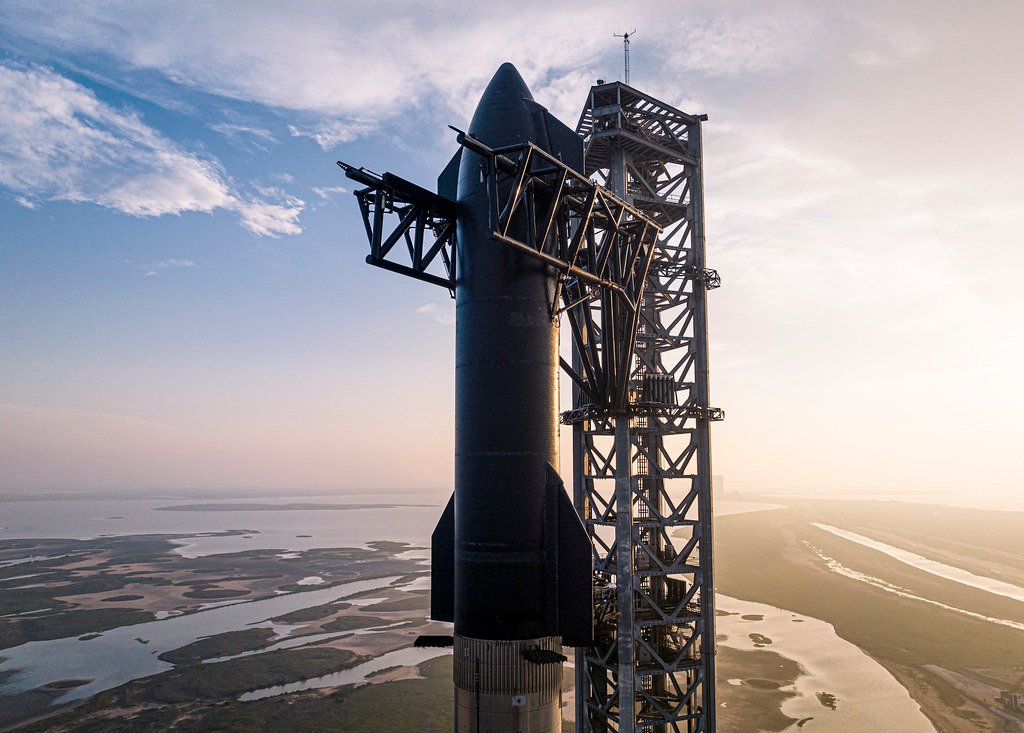
Flight 15 appears to be targeting something much more ambitious.
The key clue is the reported FCC request for high-power fixed and tracking radio links capable of supporting extended orbital communications. Such communications would be useful if Ship 42 needs to remain under observation and control across multiple orbital passes.
A conventional short-duration mission requires relatively limited communication windows. An extended orbital mission, however, needs:
- Continuous command and control
- High-bandwidth telemetry
- Reliable tracking across multiple orbital passes
- Monitoring of onboard systems for days
- Data collection during prolongedThe vehicle at the center of this potential exposure to the space environment
In other words, the communications requirements themselves could provide an important clue about Flight 15’s intended mission profile.
Ship 42 Could Become an Orbital Testbed
The vehicle at the center of this potential mission is Ship 42, Starship’s upper-stage spacecraft.
If SpaceX leaves Ship 42 in orbit for an extended period, engineers could collect data that cannot be obtained during a conventional flight lasting only a few hours.
The most important challenge may be cryogenic propellant storage.
Starship relies on liquid oxygen (LOX) and liquid methane (LCH₄). These propellants must remain extremely cold to stay in their liquid state. Keeping large quantities of cryogenic propellant stable in space for days or weeks is considerably more complicated than simply carrying fuel into orbit and quickly using it.
That makes an extended orbital mission a potentially valuable experiment.
Hardware Preparation at Starbase
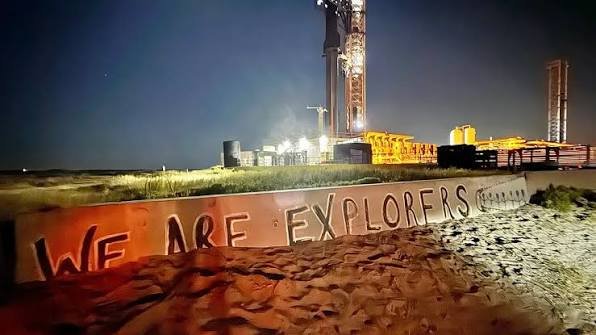
The possibility of a longer orbital mission is also being accompanied by hardware activity at SpaceX’s Starbase facilities in Texas.
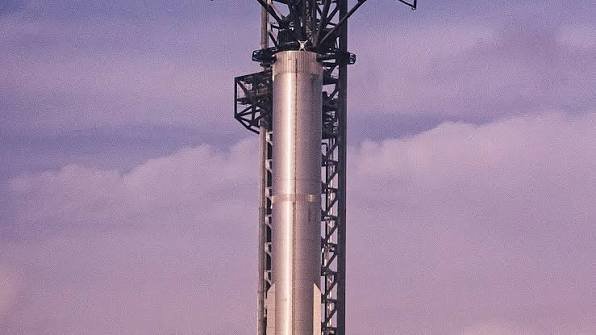
According to the information provided, Ship 42 underwent cryogenic testing in early September 2026, followed by additional proof testing on September 9. The vehicle reportedly returned to the launch site on September 11 for stacking preparations.
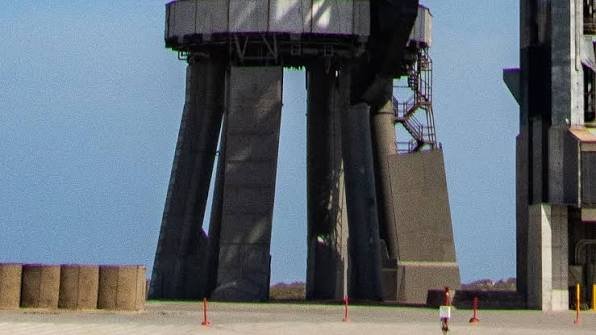
Meanwhile, Booster 22, the Super Heavy first stage associated with the mission, was transported to the Massey test site on September 8 and underwent a full cryogenic load on September 9.
These activities are important because cryogenic testing allows engineers to evaluate how tanks, plumbing, welds, structures, and other systems behave when exposed to the extreme temperatures and pressures associated with Starship’s propellants.
Why Cryogenic Testing Matters
A Starship designed for a short flight faces enormous engineering challenges. A Starship expected to remain operational in orbit for days introduces another layer of complexity.
The vehicle must manage:
- Propellant temperature
- Tank pressure
- Thermal radiation
- Boil-off
- Power consumption
- Communication
- Attitude control
- Long-duration structural loads
That is why Flight 15 could provide data far beyond what SpaceX obtains from a typical launch-and-re-entry test.
The Biggest Problem: Keeping Fuel Cold in Space
One of the most significant challenges for a long-duration Starship mission is cryogenic boil-off.
Liquid methane is stored at approximately −161°C, while liquid oxygen is stored at roughly −183°C. Yet Starship will be exposed to an extremely variable thermal environment in orbit.
During sunlight exposure, the spacecraft receives intense solar radiation. During eclipse, it passes into Earth’s shadow and experiences dramatically colder conditions.
Because heat inevitably moves through the spacecraft’s structure, some of the cryogenic liquid can eventually absorb enough energy to turn into gas.
This creates two major problems.
Tank Pressure
As liquid propellant vaporizes, gas accumulates inside the tanks. If pressure becomes too high, the spacecraft must manage or vent that gas.
Propellant Loss
Every molecule of propellant that boils off potentially represents fuel that cannot be used later for orbital maneuvers, docking, deorbiting, or deep-space operations.
Therefore, Flight 15 could allow SpaceX to measure real-world boil-off rates, tank pressure changes, thermal behavior, and power requirements during an extended orbital stay.
That information would be extremely valuable for future Starship missions.
Could Flight 16 Attempt an Orbital Rendezvous?
Perhaps the most interesting possibility is what could come after Flight 15.
If Ship 42 remains in orbit as a target or depot prototype, a subsequent Starship mission could potentially attempt orbital rendezvous and docking.
The basic concept would involve Flight 15 establishing the target orbit before Flight 16 launches as a chaser or tanker.
However, rendezvous in orbit is far more complicated than simply “catching up” with another spacecraft.
Both vehicles would be traveling at approximately 17,500 mph (28,000 km/h). The chaser would need to carefully adjust its orbit using controlled propulsion burns.
Sensors could then assist with the final approach, while the spacecraft would need to establish a reliable physical connection.
Precision Docking
A successful docking sequence would require extremely accurate navigation.
Potential technologies include:
- Optical sensors
- LiDAR
- Star trackers
- Relative navigation systems
- Reaction-control thrusters
- Precision orbital maneuvers
Once the two vehicles are safely aligned, a mechanical interface could connect them and create a pathway for cryogenic propellant transfer.
Why Moving Cryogenic Fuel in Microgravity Is So Difficult
Transferring fuel on Earth is relatively straightforward because gravity keeps liquids at the bottom of tanks.
In orbit, that assumption disappears.
Cryogenic liquid can float around inside a tank, while gas bubbles and liquid move independently. This creates several potential failure modes.
Fluid Sloshing
Without gravity, liquid can move unpredictably around the tank as the spacecraft changes orientation or accelerates.
Gas Pockets
Vapor could reach pump intakes and interrupt the transfer process.
Transfer-Line Chill-Down
Transfer pipes must already be extremely cold before large quantities of cryogenic liquid flow through them. Otherwise, the warmer plumbing can cause rapid vaporization and pressure changes.
Thermal Loss
Heat entering the system can cause some of the propellant to boil during transfer.
SpaceX may therefore need to use ullage thruster firings or other controlled acceleration techniques to settle liquid near tank outlets and pump inlets.
Successfully demonstrating these processes would be a major milestone for Starship.
Why Orbital Fuel Depots Matter to Artemis
The larger objective extends beyond Starship itself.
NASA’s Artemis program and the planned Human Landing System architecture depend heavily on the ability to transport substantial amounts of propellant into orbit.
A lunar Starship could require multiple tanker missions before it has enough propellant for its journey to the Moon.
That creates a logistical challenge.
If tankers have to launch in rapid succession and transfer fuel directly into a waiting lunar Starship, launch delays and weather problems could create scheduling complications.
An orbital fuel depot changes the equation.
Direct Refueling vs. Depot Architecture
With direct refueling, a lunar Starship could need to remain available while tanker missions arrive one after another.
With a depot architecture, tankers could gradually deliver propellant to a dedicated orbital storage vehicle over a much longer period.
The lunar Starship could then rendezvous with the depot, load the required propellant, and begin its journey to the Moon.
This approach could potentially make the overall architecture more flexible and resilient.
A Bigger Step Toward Deep-Space Transportation
The importance of Flight 15 therefore goes beyond whether Ship 42 returns to Earth.
If SpaceX successfully demonstrates long-duration orbital operations, cryogenic storage, rendezvous, docking, and eventually propellant transfer, Starship would be moving toward a completely different role.
Instead of being viewed primarily as a giant reusable launch vehicle, Starship could become part of a space-based transportation infrastructure.
Orbital depots could store fuel. Tanker Starships could replenish those depots. Other Starships could then use the stored propellant to travel toward the Moon, Mars, or other destinations.
That is the long-term vision that makes Flight 15 particularly significant.
The Bottom Line
Starship Flight 15 could mark a major transition in SpaceX’s testing strategy.
The reported FCC communications requirements suggest that SpaceX may be preparing for a mission involving extended orbital operations, while the activity surrounding Ship 42 and Booster 22 indicates continued hardware preparation.
The biggest challenges will not necessarily be reaching orbit. They will be surviving in orbit, managing cryogenic propellant, controlling tank pressure, preventing excessive boil-off, and eventually demonstrating the ability to transfer fuel between spacecraft.
If Ship 42 remains in orbit as an experimental depot, Flight 15 could provide critical data for future tanker missions and NASA’s lunar ambitions.
And that is why the title may be more literal than it first appears: Starship Flight 15 may not be designed simply to fly to space and come home. It could be designed to stay there and help build the infrastructure for what comes next.
FAQs
1. What is Starship Flight 15?
Starship Flight 15 is a planned SpaceX test mission that could focus on long-duration orbital operations, rather than following a traditional short-duration Starship test profile.
2. Why might Starship Flight 15 stay in orbit?
An FCC communications filing reportedly requests capabilities suitable for multi-day orbital communication and tracking. This has raised the possibility that Ship 42 could remain in Low Earth Orbit (LEO) for an extended period.
3. What is Ship 42?
Ship 42 is the Starship upper-stage vehicle associated with the potential Flight 15 mission. If the mission profile proceeds as suggested, it could serve as an orbital testbed or experimental propellant depot.
4. What is different about Flight 15?
Earlier Starship flights have largely focused on launch, atmospheric flight, re-entry, and other short-duration objectives. Flight 15 could instead test long-duration orbital survival and cryogenic propellant management.
5. What does the FCC filing reveal?
The reported filing includes requests for high-power command and tracking communications capable of supporting extended orbital operations. Such requirements would make sense for a spacecraft expected to remain in orbit for multiple days.
6. What is cryogenic boil-off?
Cryogenic boil-off occurs when extremely cold liquid propellants absorb heat and begin changing into gas. For Starship, managing boil-off is critical because excessive propellant loss could reduce the fuel available for future maneuvers.
7. How cold are Starship’s propellants?
Liquid methane is stored at approximately −161°C, while liquid oxygen is stored at around −183°C. Maintaining these temperatures in space presents significant thermal-management challenges.
8. Why is long-duration orbital storage difficult?
In orbit, Starship will experience repeated cycles of direct sunlight and Earth’s shadow. Heat entering the spacecraft can increase tank pressure and cause some cryogenic propellant to vaporize.
9. Could Flight 15 become a space fuel depot?
Potentially. If Ship 42 remains in orbit and successfully demonstrates long-duration cryogenic storage, it could serve as a prototype for future orbital propellant depots.
10. What could Flight 16 do?
A future mission such as Flight 16 could potentially act as a chaser or tanker spacecraft, with the goal of demonstrating orbital rendezvous and docking with an earlier Starship.
11. How would two Starships dock in orbit?
The chaser would need to carefully match the target’s altitude, velocity, and orbital trajectory. Sensors such as optical systems, LiDAR, and star trackers could help guide the spacecraft during the final approach.
12. Why is transferring fuel in space so complicated?
In microgravity, liquid propellant does not naturally settle at the bottom of a tank. Sloshing, vapor bubbles, and thermal effects can make it difficult to move cryogenic fuel reliably between spacecraft.
13. What is line chill-down?
Line chill-down is the process of cooling propellant-transfer plumbing to cryogenic temperatures before transferring large quantities of liquid fuel. If the pipes are too warm, incoming propellant can rapidly vaporize and cause pressure problems.
14. Why are orbital fuel depots important for NASA’s Artemis program?
An orbital depot could allow SpaceX to accumulate propellant over multiple tanker launches instead of requiring a lunar Starship to receive fuel immediately from a series of consecutive missions.
15. Could Starship Flight 15 help humans reach the Moon?
Indirectly, yes. Demonstrating long-duration storage, orbital docking, and propellant transfer would address several technologies considered important for Starship’s role in future lunar missions under NASA’s Artemis architecture.
16. Will Starship Flight 15 actually stay in orbit indefinitely?
That is not confirmed. The available information suggests a possible extended orbital mission, but the final flight profile can change based on SpaceX’s testing plans, regulatory approvals, vehicle readiness, and mission requirements.
Read More:
- New Gen 3.5 Solid-State Battery, 381 Wh/kg Finally Goes MASS PRODUCTION
- Tesla plans big safety improvements for Full Self-Driving v15
- Wow! Starship Flight 15 Rocket Pair is getting “Cryo” together
- 5,000 Tesla Bot Gen 3 READY To Replace Housekeepers For $1/Hour!
- Tesla’s most delayed Cybertruck feature is finally here