
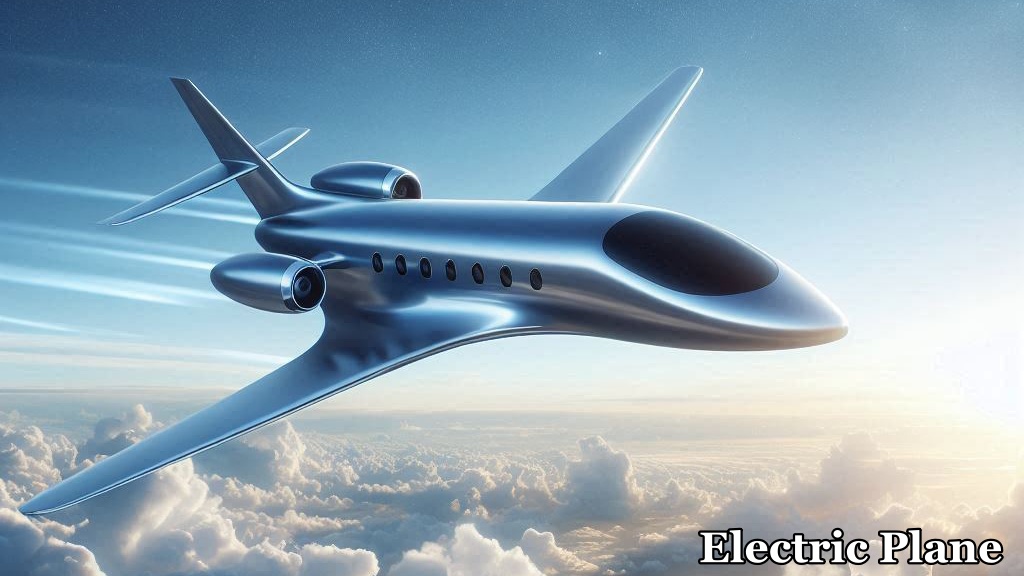
Elon Musk’s $99,999 Electric Plane 2026: The aviation industry is buzzing with excitement over a bold new move by Tesla, led by none other than Elon Musk. Tesla has just revealed its latest game-changer: an electric plane priced at an astonishing $99,999. This announcement has taken the aviation world by storm, leaving industry experts and enthusiasts alike wondering about the technology, pricing, and future implications of such an innovation.
In this post, we’ll break down everything you need to know about Tesla’s groundbreaking electric plane 2026 — from its stunning price tag to its cutting-edge technology. Let’s dive in to see if this new electric aircraft is really the future of aviation.
1. Why Is Tesla’s Electric Plane Priced at $99,999?
When you first hear that Tesla’s electric plane comes with a price tag of $99,999, it might seem a bit surprising. After all, most small private planes and jets typically start around $300,000 to $500,000, with some high-performance models costing well over $1 million. So why such an affordable price for a Tesla aircraft?
Making Electric Aviation Accessible
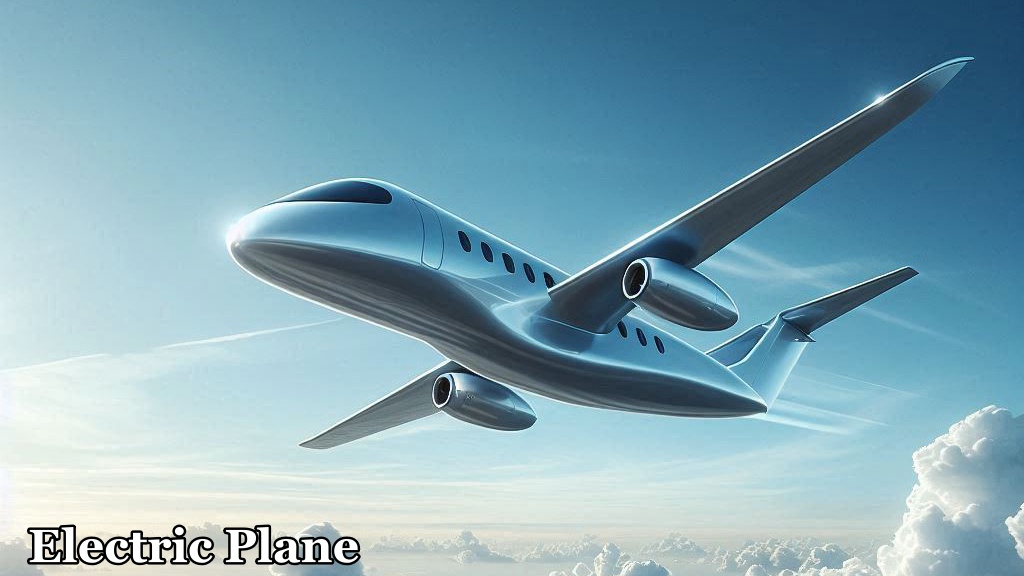
Tesla’s goal with this pricing is to bring electric aviation within reach for more people, particularly businesses, flight schools, and private pilots. A traditional small aircraft like the Cessna 172 can cost around $400,000, while a luxury single-engine plane such as the Piper M350 costs upwards of $700,000. In contrast, the Tesla electric plane provides an affordable entry into electric aviation.
The price tag of $99,999 isn’t arbitrary. By using electric propulsion, Tesla significantly reduces maintenance costs and fuel expenses, offering long-term savings. For instance, traditional aircraft engines are costly to maintain (sometimes $50-$100 per hour of flight), and fuel costs can add up to $100 per hour. However, Tesla’s electric motors require far less upkeep and use electricity instead of expensive jet fuel.
Tesla’s $99,999 Electric Plane vs. Traditional Aircraft
| Feature | Tesla Electric Plane 2026 | Traditional Aircraft (e.g., Cessna 172) |
|---|---|---|
| Price | $99,999 | $300,000+ |
| Range | 500–700 miles per charge | 500–700 miles |
| Top Speed | Up to 300 mph | 140–200 mph |
| Maintenance Costs | Low maintenance requirements | Higher maintenance costs, potentially up to $100 per hour |
| Fuel Costs | Electricity-powered operation | Higher fuel expenses |
| Battery Technology | Tesla 4680 battery cells | Conventional aviation power systems |
| Propulsion System | Electric motors with immediate torque | Traditional combustion engines |
| Environmental Impact | Potentially lower operational emissions | Higher emissions from conventional fuel use |
| Primary Use | Regional travel, business trips, and potential air taxi services | Private flying, training, and regional travel |
Advanced Battery Technology for Affordability
At the heart of Tesla’s new plane is its advanced battery technology. Tesla’s 4680 cells (developed for their electric vehicles) offer high energy density, a longer lifespan, and faster charging. This innovative battery system makes the plane more affordable to operate compared to traditional aircraft, ensuring that it doesn’t break the bank for owners.
Tesla has also shown its ability to lower costs by scaling production. As Tesla ramps up production for its planes (much like it did with cars), the unit costs could potentially drop further, making electric aviation even more accessible. Some experts predict that within a few years, the price of electric aircraft could fall into the $50,000-$60,000 range, which would make electric planes an even more viable option for many.
Would you consider investing in Tesla’s electric plane at this price point? Let us know in the comments!
2. The Technology and Innovation Behind Tesla’s Electric Plane
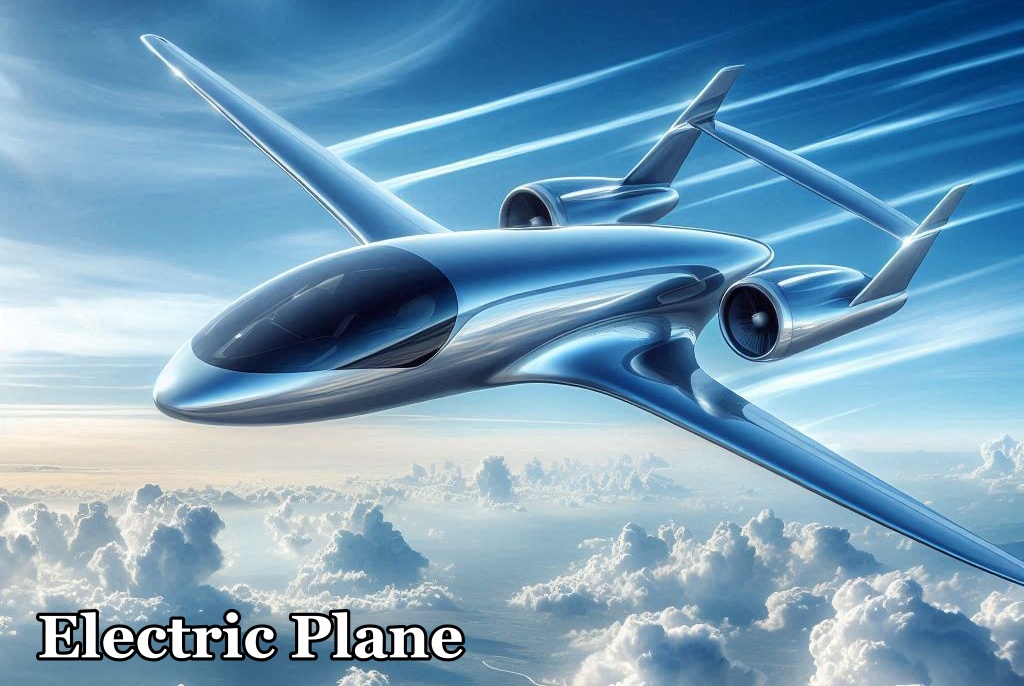
Tesla’s entry into the electric aircraft market is powered by cutting-edge technology that’s already revolutionizing the automotive world. From battery efficiency to autopilot features, this plane brings high-tech innovation to the skies.
Battery Power and Propulsion System
Tesla’s electric plane uses the same battery tech that powers its electric cars. The 4680 cells are designed for higher energy density, which translates to longer flight times and a greater range. These cells are already proven in Tesla vehicles, providing impressive performance in terms of both efficiency and cost-effectiveness.
One of the key advantages of electric propulsion is immediate power delivery. Unlike traditional combustion engines, which need to spool up before delivering power, Tesla’s electric motors offer instant torque. This means smoother, quieter, and more responsive flights — along with lower operational costs, since the electric motors have fewer moving parts and require less maintenance.
Regenerative Flight and AI Integration
Tesla’s electric plane also comes with regenerative technology. Similar to how electric cars capture energy while braking, the plane will recover energy during descents and glide phases, which enhances energy efficiency and lowers costs over time.
Another exciting feature is Tesla’s AI-powered autopilot system. Tesla’s autopilot has already transformed the driving experience, and now it’s set to do the same for aviation. The autopilot system in the electric plane would use advanced sensors and machine learning algorithms to adjust flight paths, monitor weather conditions, and optimize fuel usage. This could significantly reduce pilot workload while also enhancing safety and efficiency.
While full autonomous flight may not be available immediately, it’s expected that the plane will feature semi-autonomous flight modes that could lead to safer, smoother operations for pilots and passengers alike.
3. How Far Can Tesla’s Electric Plane Go?
One of the biggest questions surrounding any electric aircraft is its range — how far can it fly on a single charge? Tesla’s electric plane is designed primarily for regional travel, and its range is impressive.
Depending on the model and flight conditions, the electric plane will offer a range of between 500 to 700 miles on a single charge. For comparison, traditional small aircraft like the Cessna 172 and Piper Navajo have a similar range, making the Tesla plane highly competitive.

Business Travel and Air Taxis
With a range of up to 700 miles, this electric plane is perfect for business travelers and those in need of short regional flights. It’s ideal for quick trips between cities like Los Angeles to San Francisco (370 miles) or New York to Washington D.C. (225 miles). With speeds of up to 300 mph, the electric plane can cover these distances in just a few hours, making it not only more affordable but also faster than traditional planes.
Cutting Costs and Carbon Footprint
One of the main benefits of this plane is its reduced operating costs. Thanks to electric propulsion, it uses less fuel, requires less maintenance, and has fewer moving parts than conventional aircraft. Plus, it’s an eco-friendly option, helping to reduce the aviation industry’s carbon footprint.
Key Features and Technologies of Tesla’s Electric Plane 2026
| Feature | Description | Key Benefit |
|---|---|---|
| 4680 Battery Technology | Advanced battery cells designed for high energy density and long lifespan | Improved energy efficiency and operating costs |
| Electric Propulsion System | Electric motors deliver immediate torque and responsive power | Smoother, quieter flights and reduced maintenance |
| AI-Powered Autopilot | Proposed system uses sensors and machine learning to optimize flight paths and monitor weather | Potentially reduces pilot workload and improves operational efficiency |
| Regenerative Flight Technology | Recovers some energy during descents and gliding phases | May improve overall energy efficiency |
| 500–700 Mile Range | Proposed range for regional aviation | Supports selected short-distance and regional journeys |
| Up to 300 mph Speed | Speed claimed in the source article | Could reduce travel time between cities |
| Lower Operating Costs | Electric propulsion has fewer moving parts than conventional combustion engines | Potentially reduces maintenance and energy expenses |
| Environmental Benefits | Electric operation can reduce direct emissions compared with conventional aircraft | Supports cleaner aviation when powered by low-carbon electricity |
| Semi-Autonomous Flight | Potential future flight assistance, with full autonomy not established in the source | Could assist pilots with selected flight operations |
| Scalable Manufacturing | Applying mass-production methods to aircraft manufacturing | Could potentially reduce future production costs |
Conclusion: Is Tesla’s Electric Plane the Future of Aviation?
Tesla’s electric plane represents a significant leap forward in the world of aviation. With its affordable price, advanced battery technology, and revolutionary propulsion systems, it’s poised to shake up the aviation industry and pave the way for a cleaner, more efficient way to fly.
While the plane is still in its early stages, the possibilities are incredibly exciting. Whether it’s for business travel, air taxis, or just a more eco-friendly way to get from point A to point B, Tesla is leading the charge in electric aviation.
As the technology continues to evolve and Tesla applies its scalable production strategies, we could see a future where electric planes are not just an alternative, but a mainstream option for air travel. Would you consider flying on or even owning Tesla’s electric plane? Drop your thoughts in the comments below.
FAQs About Tesla’s $99,999 Electric Plane 2026
1. Why is Tesla’s electric plane priced at $99,999?
Tesla’s goal is to make electric aviation accessible to more people, including businesses, flight schools, and private pilots. The $99,999 price tag is significantly lower than traditional aircraft due to reduced maintenance and fuel costs.
2. How does Tesla’s electric plane compare to traditional aircraft in terms of cost?
Traditional small aircraft can range from $300,000 to over $1 million, while Tesla’s electric plane is priced at $99,999, offering a more affordable entry into aviation.
3. What kind of battery technology powers Tesla’s electric plane?
Tesla’s electric plane uses its advanced 4680 battery cells, known for high energy density, longevity, and faster charging. This helps improve the plane’s performance and cost-efficiency.
4. How far can Tesla’s electric plane fly on a single charge?
Tesla’s electric plane offers a range of 500 to 700 miles on a single charge, making it suitable for regional flights, such as Los Angeles to San Francisco or New York to Washington D.C.
5. What are the benefits of electric propulsion in aviation?
Electric propulsion offers immediate power delivery, smoother and quieter flights, lower operational costs, and less maintenance compared to traditional combustion engines.
6. Does the Tesla electric plane have autopilot capabilities?
Yes, the plane features Tesla’s proposed AI-powered autopilot system, which uses sensors and machine learning to adjust flight paths, monitor weather, and optimize energy usage for enhanced safety and efficiency.
7. What are the environmental benefits of Tesla’s electric plane?
The electric plane could help reduce the aviation industry’s carbon footprint by using electricity, lowering conventional fuel consumption, and reducing direct emissions compared with conventional aircraft.
8. Can the Tesla electric plane be used for business travel?
With a claimed range of 500 to 700 miles and speeds of up to 300 mph, the proposed Tesla electric plane could suit business travelers needing quick, regional flights.
9. What makes Tesla’s electric plane more affordable to operate than traditional aircraft?
The electric plane could use less energy, require less maintenance, and have fewer moving parts, potentially making it more cost-efficient than traditional combustion-engine aircraft.
10. Is full autonomy expected for Tesla’s electric plane?
While full autonomous flight is not established, the article describes potential semi-autonomous flight modes that could reduce pilot workload and support safer, more efficient operations.
11. How fast could Tesla’s electric plane travel?
According to the supplied article, Tesla’s electric plane could reach speeds of up to 300 mph. However, this performance figure has not been independently verified.
12. Could Tesla’s electric plane be suitable for flight schools?
The proposed $99,999 price could make electric aviation more accessible to flight schools. Actual suitability would depend on aircraft certification, flight performance, operating requirements, and availability.
13. How could Tesla’s electric plane reduce maintenance expenses?
Electric motors generally have fewer moving parts than conventional combustion engines. This could reduce certain maintenance requirements, although actual costs would depend on the aircraft’s design and operating conditions.
14. Could Tesla’s electric plane be used as an air taxi?
The article identifies air taxis as a potential application. Commercial air taxi operations would require appropriate aircraft certification, regulatory approval, aviation infrastructure, and safety compliance.
15. When will Tesla’s $99,999 electric plane be available to buy?
The supplied article does not provide a confirmed launch date, production schedule, or official ordering information. The aircraft’s availability, price, and specifications should be considered unverified until Tesla makes an official announcement.
Read More:
- BOXABL! New Tiny House 2026 Inside Too Amazing! $0 Tax & Tesla Rumors Producing
- It’s mind blowing! Elon Musk declared Starship Flight 12 will Make History, Never Seen Before
- Tesla releases Q4 and FY 2025 vehicle delivery and production report
- Tesla’s flying Roadster just revealed something bigger than the car
- Elon Musk Has Finally Unveiled a Flying Tesla Roadster 2026
Wow, Maybe I could own a jet oneday.
This is amazing to think about. Bedroom communities could locate further from one’s place of employment and each have their own air strip. The Plane itself may be the easiest piece of the puzzle when you consider what structures and facilities that will be needed at points A and B. Air traffic control would need to rely heavily on AI… Pretty cool to think about.
Its a lie to bolster the death of Tesla as automobile manufacturer and to bolster his fragile ego. Prove with facts this will ever happen.
Liberalism is a disease…
Indeed it is, and a lethal one like Pancreatic cancer!
Elon, you have my support, this move has been a dream of my own!