
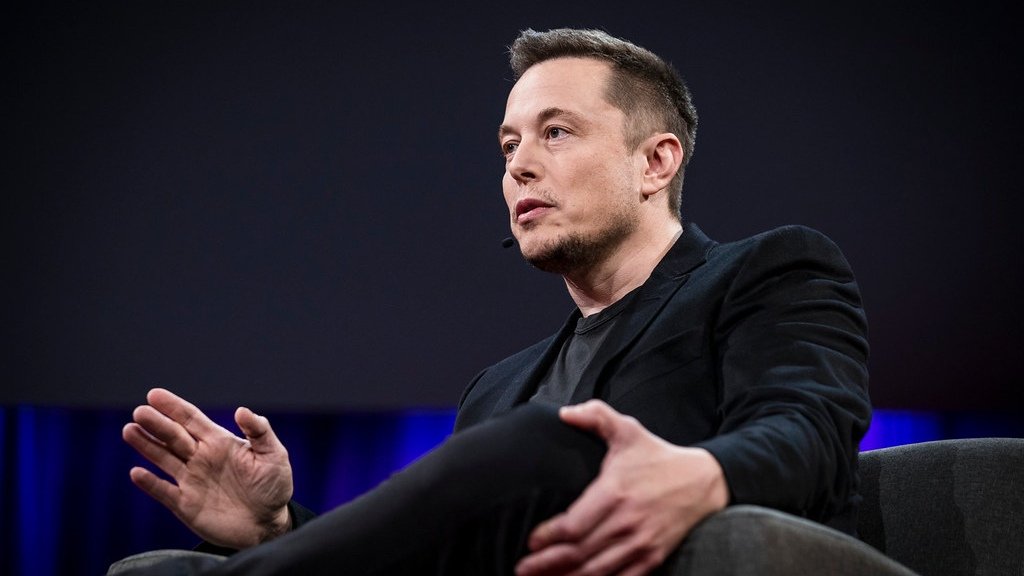
Elon Musk Reveals 7 Shocking Inventions That Are Coming in 2027: 2027 is shaping up to be a groundbreaking year for innovation, with Elon Musk and Tesla leading the charge. From revolutionizing everyday life to redefining the boundaries of technology, Musk’s new inventions are set to change the way we live, work, and interact with technology. With a series of exciting advancements, Tesla is ready to push the limits of what’s possible in various industries.
In this blog post, we’ll dive deep into seven of the most jaw-dropping inventions coming from Tesla and Elon Musk in 2027. From affordable housing to AI-powered wheelchairs and next-gen batteries, let’s explore how these game-changing innovations are poised to redefine the future.
1. Tesla’s Tiny House: Revolutionizing Affordable Living in 2027
Tesla’s Tiny House, set to launch in 2027, is poised to redefine affordable housing. At a price tag of just $19,999, this compact home offers an advanced, sustainable living experience at a fraction of the cost of traditional housing.
- Smart Systems: Integrated Tesla technology lets you control climate, security, and energy consumption via the Tesla app.
- Self-Sufficiency: Powered by solar panels and a Tesla Powerwall, the house is entirely off-grid, aligning with Tesla’s sustainability goals.
- Efficient Design: The 200 sq. ft home includes essential amenities like a kitchenette, bathroom, and sleeping area, all designed for maximum comfort and functionality.
This innovation promises to disrupt the $250 billion housing market, offering a minimalist yet high-tech lifestyle for everyone from first-time homeowners to those priced out of traditional options.

Will Tesla’s Tiny House be the future of affordable living? Let us know your thoughts in the comments below!
Elon Musk’s 7 Shocking Inventions Coming in 2027
| No. | Invention | Expected Price | Key Features | Potential Benefits |
|---|---|---|---|---|
| 1 | Tesla Tiny House | $19,999 | 200 sq. ft. design, solar panels, Powerwall, smart-home controls | More affordable and sustainable living |
| 2 | Tesla Smart TV | Under $200 | 4K resolution, AI-powered interface, smart-home integration | Affordable home entertainment |
| 3 | Tesla Wheelchair | $200 | Lightweight design, claimed 20-mile range, GPS, app-based controls | More accessible personal mobility |
| 4 | Next-Generation 4680 Battery | Not specified | Cylindrical cells, improved energy storage, potential cost reductions | Better EV range and battery efficiency |
| 5 | Tesla Cyber Van | $45,000 | Claimed 500-mile range, modular seating, large cargo capacity | Electric commercial transportation |
| 6 | Neuralink Brain-Machine Interface | Not specified | Brain-computer communication, wireless data transmission, assistive applications | Potential support for people with disabilities |
| 7 | Optimus Humanoid Robot | $20,000–$25,000 | AI assistance, human-like mobility, household and workplace tasks | Automation at home and in businesses |
2. How a Sub-$200 Tesla TV Will Change the Market
In another bold move, Tesla is reportedly developing a smart TV priced under $200—a price point that could shake up the home entertainment industry. With this game-changing TV, Tesla plans to deliver cutting-edge technology at a fraction of the cost of premium models from competitors like Samsung and LG.
What to Expect from Tesla’s Smart TV:
- Sleek Design: Ultra-thin bezels and 4K resolution will provide top-tier visual experiences.
- AI-Powered Interface: Tesla’s AI technology will curate content, making your viewing experience smarter and more personalized.
- Smart Home Integration: The TV will seamlessly integrate with other Tesla devices, enabling a unified home ecosystem.
- Energy-Efficient: In line with Tesla’s green technology, the TV will incorporate energy-efficient components.
Could this be the future of affordable smart TVs? Share your thoughts below!
3. Elon Musk’s $200 Wheelchair: Redefining Mobility for Millions
Elon Musk’s new $200 wheelchair could revolutionize mobility for millions of people. Traditionally, high-performance wheelchairs are expensive, often costing upwards of $2,500. Tesla’s approach, however, focuses on bringing advanced mobility technology at a fraction of the price.
Key Features of the $200 Tesla Wheelchair:
- Lightweight: Weighing under 25 lbs, it’s much lighter than traditional wheelchairs.
- Modular Design: Customizable for individual needs without the hefty price tag.
- Extended Range: With a 20-mile range on a single charge, this wheelchair outperforms many current models.
- Smart Features: GPS integration and app-based controls will provide a more intuitive and user-friendly experience.
This innovative wheelchair has the potential to make mobility accessible to a broader audience at an affordable price. Could this be the future of personal mobility?
4. How Elon Musk’s Next-Gen Battery Will Outperform Competitors
Tesla’s next-generation battery, the 4680 battery cell, promises a game-changing boost in energy storage. This cylindrical design has been in development for years and will offer five times the energy storage of current models.
What Makes the 4680 Battery Special?
- More Range: Tesla vehicles powered by these cells could achieve up to 16% more range.
- Lower Costs: The 4680 battery promises to reduce production costs by 56%, putting Tesla ahead of competitors like Lucid and Rivian.
- Solid-State Batteries: Tesla is also working on solid-state battery technology, which could lead to safer, longer-lasting batteries with even higher energy density.
With solid-state batteries on the horizon, Tesla is paving the way for the future of electric vehicles, making it a key player in the energy storage and EV markets.
How These 7 Future Inventions Could Transform Everyday Life
| Invention | Target Industry | Main Innovation | Potential Real-World Application | Key Challenge |
|---|---|---|---|---|
| Tesla Tiny House | Housing and construction | Compact, energy-efficient living | Small homes, off-grid living, temporary accommodation | Land costs, building regulations, and actual production price |
| Tesla Smart TV | Consumer electronics | AI-powered entertainment and connectivity | Personalized viewing and connected-home control | Competition and unconfirmed product availability |
| Tesla Wheelchair | Healthcare and mobility | Affordable, lightweight mobility equipment | Everyday movement and greater independence | Safety, accessibility, durability, and affordability |
| 4680 Battery | Electric vehicles and energy storage | Battery-cell manufacturing improvements | Longer-range EVs and potentially lower production costs | Manufacturing yields, cost, and real-world performance |
| Tesla Cyber Van | Logistics and commercial vehicles | Electric utility-vehicle platform | Cargo delivery, mobile workshops, and fleet transportation | Range under load, charging infrastructure, and confirmation of the vehicle |
| Neuralink | Neurotechnology and healthcare | Brain-machine communication | Assistive control of computers or other devices | Clinical safety, reliability, and regulatory approval |
| Optimus Robot | Robotics and automation | General-purpose humanoid robotics | Repetitive factory work and selected household tasks | Reliability, safe operation, and cost-effective mass production |
5. Tesla’s Cyber Van: Transforming Utility Vehicles
The Cyber Van is one of the most anticipated launches from Tesla in 2027. Built on the same rugged Cybertruck platform, the Cyber Van will redefine how we think about electric utility vehicles.
Key Features of the Cyber Van:
- Range: With the 4680 battery technology, the Cyber Van offers an impressive 500 miles per charge.
- Modular Design: Configurable seating and over 400 cubic feet of cargo space make it perfect for businesses and specialized uses like mobile clinics or workshops.
- Affordable Price: Starting at just $45,000, the Cyber Van will be priced competitively against other electric vans.
- Full Self-Driving: Tesla’s self-driving technology will make fleet operations more efficient and cost-effective.
This versatile utility van is perfect for businesses looking to switch to electric commercial vehicles. It could transform industries ranging from logistics to healthcare.
6. Neuralink: The Future of Brain-Machine Interfaces in 2027
Tesla’s Neuralink is another exciting innovation on the horizon for 2027. The company is pushing the boundaries of brain-machine interfaces (BMIs), aiming to connect the human brain directly to machines.
Key Developments in Neuralink:
- Wireless Implant: The BMI is now smaller than a coin and transmits brain data wirelessly, eliminating the need for invasive procedures.
- Applications for Neurological Conditions: Neuralink has the potential to treat conditions like paralysis, Alzheimer’s, and vision impairment.
- Advanced Signal Processing: The upcoming model promises faster processing speeds and expanded storage, allowing for real-time memory augmentation and sensory feedback systems.
This could pave the way for a future where human potential is enhanced with direct brain control over external devices, changing the lives of people with disabilities.
7. The Optimus Humanoid Robot: Revolutionizing Workplaces and Homes
The Optimus Humanoid Robot is set to make significant strides in 2027, extending beyond the factory floor into homes and industries around the world.
What Makes Optimus Special?
- Improved Mobility: Capable of navigating dynamic environments and performing intricate tasks with 98% accuracy.
- Cost-Effective: Tesla aims to bring Optimus to market for $20,000 to $25,000, making it far more affordable than competitors like Boston Dynamics.
- Home Use: With AI enhancements, Optimus could assist in housework, cooking, and even personal care.
By 2027, Optimus will change how we think about automation and robotics, offering a cost-effective solution for businesses and households alike.
Conclusion: The Future of Technology is Here
From affordable housing and AI-powered wheelchairs to next-gen batteries and humanoid robots, Tesla and Elon Musk are pushing the boundaries of what technology can achieve. These innovations are not just transforming industries but also redefining the way we live.
Will you embrace the future with a Tesla Tiny House or a Neuralink implant? Could you see a humanoid robot in your home or workplace? Share your thoughts in the comments below.
FAQs
1. What are Elon Musk’s 7 shocking inventions coming in 2027?
The seven inventions discussed in the article are the Tesla Tiny House, Tesla Smart TV, affordable wheelchair, next-generation 4680 battery, Tesla Cyber Van, Neuralink brain-machine interface, and Optimus humanoid robot. These innovations could influence housing, transportation, healthcare, energy storage, and automation.
2. Will Tesla launch a Tiny House in 2027?
The article suggests that a Tesla Tiny House could launch in 2027. However, the launch date and product details have not been confirmed by Tesla in the supplied material.
3. How much will the Tesla Tiny House cost?
The proposed price in the article is $19,999. The actual cost of a compact home would depend on construction, installation, transportation, land, utilities, and local building regulations.
4. Is Tesla developing a smart TV priced under $200?
The article describes a potential Tesla Smart TV priced below $200, with features such as 4K resolution, AI-powered content recommendations, and smart-home integration. However, the product and its proposed specifications remain unconfirmed.
5. What features could the Tesla Smart TV offer?
The proposed television could include 4K resolution, an AI-powered interface, energy-efficient components, and connected-home controls. These features could provide an affordable entertainment experience if such a product becomes available.
6. Will Elon Musk release a $200 wheelchair?
The article describes a potential $200 wheelchair with a lightweight design, GPS integration, app-based controls, and a claimed 20-mile range. However, these specifications and the proposed price have not been verified.
7. What is Tesla’s 4680 battery?
The Tesla 4680 battery is a cylindrical lithium-ion cell measuring approximately 46 millimeters in diameter and 80 millimeters in height. It is designed to support improvements in battery manufacturing, vehicle efficiency, and battery-pack integration.
8. Will Tesla’s next-generation battery increase electric vehicle range?
Improvements in battery technology and vehicle efficiency could increase electric vehicle range and reduce manufacturing costs. Actual results depend on battery configuration, vehicle design, driving conditions, and production performance.
9. Is Tesla launching a Cyber Van in 2027?
The article describes a potential Tesla Cyber Van with a proposed starting price of $45,000 and a claimed range of 500 miles. These details should be treated as speculative because the supplied material does not establish an official launch or confirmed specifications.
10. What could the Tesla Cyber Van be used for?
An electric utility van could serve delivery companies, commercial fleets, mobile workshops, healthcare services, and cargo transportation businesses. Its practical value would depend on payload capacity, charging access, interior space, and real-world driving range.
11. What is Neuralink, and how does it work?
Neuralink is a neurotechnology company developing brain-computer interfaces that interpret certain neural signals to enable users to interact with external devices. Its technology is being investigated for assistive and medical applications, subject to clinical testing and regulatory oversight.
12. Can Neuralink help people with paralysis?
Brain-computer interface technology may help some people with paralysis control computers or other compatible devices using neural signals. However, its effectiveness depends on individual circumstances and clinical evidence. It is not an established cure for paralysis, Alzheimer’s disease, or vision impairment.
13. What is Tesla’s Optimus humanoid robot?
Tesla Optimus is a humanoid robotics project designed to perform physical tasks using robotics and artificial intelligence. Potential applications include factory work, material handling, repetitive tasks, and, eventually, certain household activities as the technology develops.
14. How much could the Optimus robot cost?
The article suggests a possible price of $20,000 to $25,000 for the Optimus humanoid robot. This is an unconfirmed estimate, and any eventual price would depend on production scale, hardware, software, maintenance, and available capabilities.
15. Will Elon Musk’s seven inventions change everyday life by 2027?
These proposed innovations could influence affordable housing, electric transportation, battery technology, personal mobility, healthcare, and robotics. However, their real-world impact will depend on official announcements, product availability, verified performance, affordability, and regulatory approval where required.
Read More:
- Elon Musk’s $357 Tesla Phones FINALLY HIT The Market
- Tesla’s Cybercab battery design could make robotaxis even cheaper
- Tesla’s ‘Emergency Drive Away’ function gets its first use in the real world
- Tesla Semi catches fire in California: what we know
- NASA announced Huge New Starship HLS mission in Artemis with So Advanced CABIN
- Tesla’s NEW Motor Is a BOMBSHELL! EV Rivals completely OUTCLASSED
How do I order 179 wheel chair. I searched the internet and found zero sellers. you dont know which wheel chair to order because the advertising shows different chairs with the price. Pretty poor advertising. Is this bait and switch? Well you say they finally hit the market—–
WHERE!!!!!!!
looking for tesla wheel chair too…. my mother needs one very badly..
Well send me your email and i will keep you updated on the latest inventions
When and where can I get the Tesla power wheelchair? I live in Lakeland, Florida.
Very Soon
Elon Musk unconstitutionally and illegally took over portions of the federal government, usurped Congress’ constitutional role, and destroyed whole agencies, causing the deaths of thousands of people in Africa and elsewhere. I could not care less about his insights into future technology. He should be jailed for what he and his DOGE conspirators have done.