
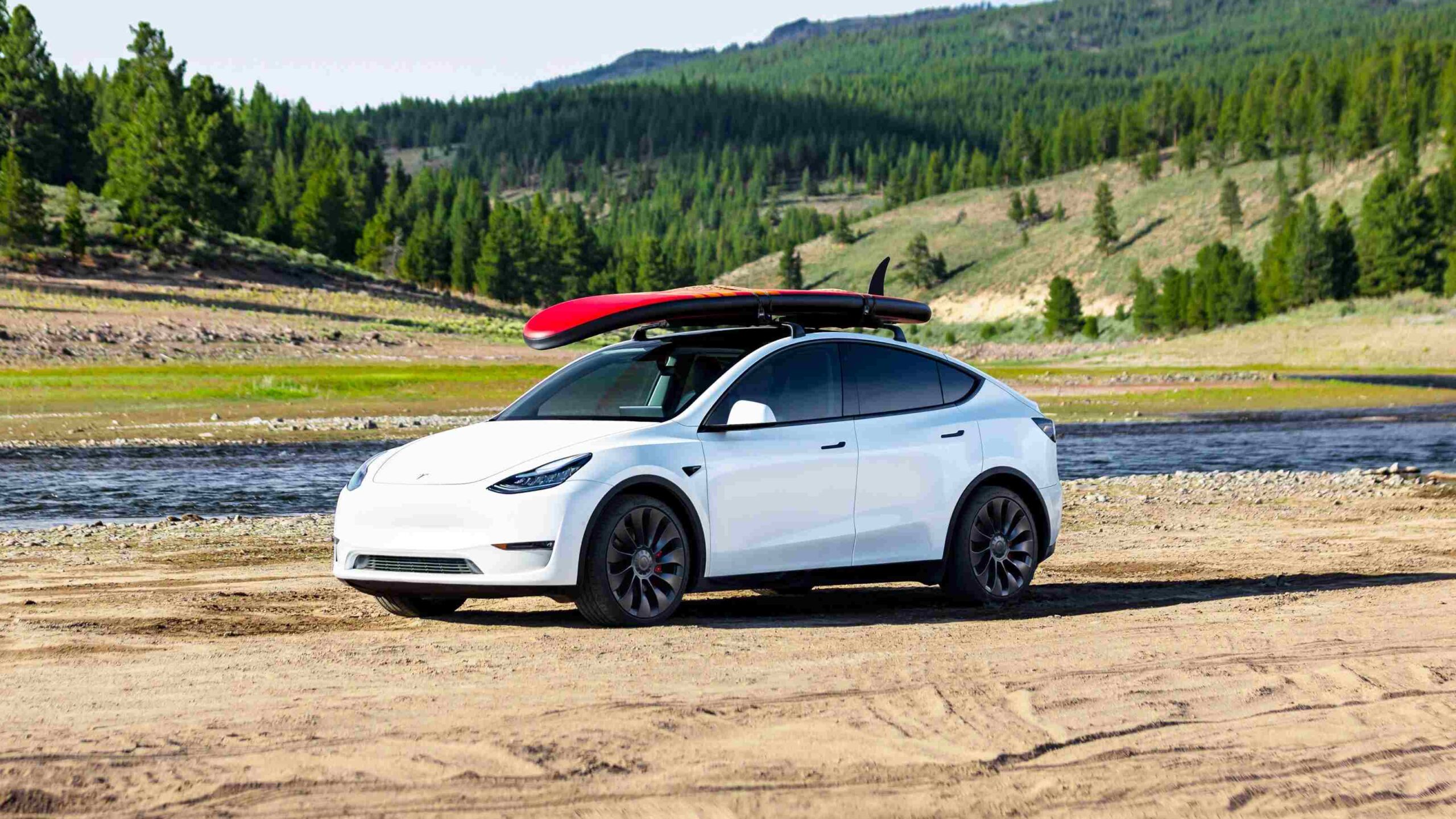
Sodium-Ion Battery 2026: The global electric vehicle (EV) industry is entering a transformative era. For years, lithium-ion batteries dominated the market, powering everything from smartphones to premium electric cars. However, a new contender is rapidly gaining momentum—Sodium-Ion (Na-ion) batteries.
What was once considered a “backup chemistry” is now becoming a serious industrial reality. With breakthroughs in energy density, cold-weather performance, battery lifespan, and especially cost reduction, sodium-ion technology is positioning itself as one of the biggest disruptions in the energy sector.
As 2026 approaches, many experts are asking a critical question: Could sodium-ion batteries challenge Tesla’s 4680 cells and reshape the future of electric mobility?
In this detailed guide, we explore the technology, advantages, limitations, and market implications of sodium-ion batteries in 2026.
The Rise of Sodium-Ion Batteries
For decades, sodium-ion technology lived in the shadow of lithium-ion batteries. The concept was promising because sodium is one of the most abundant elements on Earth, but the chemistry lacked the performance needed for commercial electric vehicles.
Early sodium-ion batteries struggled with low energy density, averaging only around 120Wh/kg. That made them too bulky and heavy for practical automotive use.
Everything changed when leading battery manufacturers such as CATL announced sodium-ion cells achieving 175Wh/kg energy density. This breakthrough moved sodium-ion from research laboratories into large-scale manufacturing discussions.
The improvement may seem technical, but it represents a major leap forward for the EV industry.
Why Sodium Matters
Unlike lithium, sodium is incredibly abundant and easy to source. It can be extracted from:
- Seawater
- Salt deposits
- Industrial minerals
This creates several strategic advantages:
- Lower raw material costs
- Reduced dependence on limited lithium reserves
- Better supply chain stability
- Lower geopolitical risks
As governments push for cleaner transportation, sodium-ion batteries could become the foundation for affordable electric mobility worldwide.
Understanding Energy Density: Why 175Wh/kg Is Important
Energy density determines how much energy a battery can store relative to its weight. Higher density means:
- Longer driving range
- Lighter battery packs
- Better vehicle efficiency
The transition from 120Wh/kg to 175Wh/kg is significant because it finally makes sodium-ion practical for real-world EV applications.
Sodium-Ion vs Tesla 4680
Here’s how sodium-ion compares to Tesla’s advanced 4680 battery cells:
| Battery Type | Energy Density |
|---|---|
| Early Sodium-Ion | ~120Wh/kg |
| Sodium-Ion 2026 | ~175Wh/kg |
| LFP Lithium Batteries | ~160–210Wh/kg |
| Tesla 4680 Cells | ~300Wh/kg |
While sodium-ion still trails behind Tesla’s high-performance batteries, it is now competitive enough for:
- City EVs
- Compact electric cars
- Commercial fleets
- Scooters and motorcycles
- Stationary energy storage
This means sodium-ion does not need to outperform lithium everywhere. It only needs to dominate the mass-market segments where affordability matters most.
The Cold Weather Revolution
One of the biggest weaknesses of traditional EV batteries is poor performance in freezing temperatures.
Why Lithium Batteries Struggle in Winter
In cold weather, lithium-ion batteries experience slower ion movement inside the electrolyte. This causes:
- Reduced driving range
- Slower charging
- Lower efficiency
- Increased driver frustration
Many EV owners living in cold climates know the experience:
A dashboard showing 400km range at night suddenly drops to 200km on a freezing morning.
This issue is especially severe for Lithium Iron Phosphate (LFP) batteries, which can lose up to 50% usable capacity at -20°C.
Sodium-Ion’s Massive Advantage at -20°C
Sodium-ion chemistry behaves differently under cold conditions.
Recent tests indicate sodium-ion batteries can maintain over 92% capacity retention at -20°C.
That changes everything for EV adoption in colder regions.
Benefits of Sodium-Ion in Winter
Reliable Driving Range
Drivers retain almost the same range overnight, reducing winter anxiety.
Faster Cold Charging
The chemistry handles low-temperature charging more effectively than lithium-ion.
Better Regional Adoption
Countries with harsh winters could accelerate EV adoption thanks to sodium-ion technology.
Reduced Battery Heating Requirements
Less energy is wasted warming the battery pack.
This could make sodium-ion especially attractive in regions like:
For millions of drivers, sodium-ion could finally eliminate seasonal EV frustration.
Sodium-Ion Batteries Could Last Decades
Battery degradation remains one of the biggest concerns for electric vehicle owners.
Traditional lithium batteries slowly lose capacity over time, reducing range and performance.
Tesla 4680 Cycle Life
Tesla’s advanced 4680 cells are estimated to provide around:
- 1,500 to 2,000 charging cycles
Under normal daily usage, significant wear can become noticeable after approximately five years.
That’s still impressive, but sodium-ion may redefine battery longevity completely.
The “Forever Battery” Concept
Major manufacturers including:
- CATL
- BYD
- BAIC
are targeting sodium-ion batteries capable of 10,000 charge cycles.
What Does 10,000 Cycles Mean?
If a driver charges their EV daily:
- 10,000 cycles equals roughly 27 years of use
That is extraordinary.
In practical terms:
- The battery could outlast the car itself
- Fleet operators gain huge cost advantages
- EV ownership becomes more economical long-term
Instead of replacing expensive battery packs, consumers may simply replace the vehicle chassis or electronics while the battery remains functional.
This changes how we think about electric vehicles entirely.
The Biggest Disruption: $19 per kWh
Cost is the true battleground in the EV revolution.
For years, electric vehicles remained expensive because lithium battery production costs stayed high.
Sodium-ion technology could change that dramatically.
Estimated Battery Costs in 2026
| Battery Type | Estimated Cost per kWh |
|---|---|
| LFP Lithium Batteries | ~$55 |
| Tesla 4680 | ~$45–$50 |
| Sodium-Ion | ~$19 |
This is potentially game-changing.
Why $19/kWh Matters
A typical compact EV may use a 45kWh battery pack.
Battery Cost Comparison
LFP Battery Pack
- Approximately $2,100+
Sodium-Ion Battery Pack
- Approximately $855
That difference alone can reduce manufacturing costs by more than $1,200 per vehicle.
For automakers, this creates opportunities to build truly affordable EVs.
Affordable EVs Below $15,000
The dream of a mass-market electric car under $15,000 has always faced one major obstacle: battery cost.
Sodium-ion may finally solve that issue.
Potential Benefits for Consumers
Lower Purchase Prices
Affordable EVs become realistic for developing markets.
Reduced Dependency on Government Subsidies
Manufacturers may achieve competitive pricing naturally.
Faster EV Adoption
More consumers can enter the electric mobility market.
Better Commercial Economics
Ride-sharing and delivery fleets gain lower operating costs.
This could dramatically accelerate the global transition away from gasoline vehicles.
Is Tesla’s 4680 Battery in Trouble?
The rise of sodium-ion naturally raises concerns about the future of premium lithium technologies like Tesla’s 4680 cells.
The answer is both yes and no.
Where Sodium-Ion Wins
Sodium-ion dominates in:
- Cost efficiency
- Cold-weather performance
- Longevity
- Raw material abundance
- Sustainability
Where Tesla’s 4680 Still Leads
Tesla’s 4680 remains superior in:
- Energy density
- High-performance driving
- Long-range capability
- Vehicle weight optimization
At approximately 300Wh/kg, Tesla’s batteries still offer nearly double the energy density of sodium-ion.
That matters enormously for:
- Luxury EVs
- Sports cars
- High-speed vehicles
- Long-distance travel
Why Energy Density Still Matters
Higher energy density allows automakers to:
- Increase range
- Reduce battery size
- Improve acceleration
- Maintain lighter vehicle weight
For example, high-performance EVs like the Tesla Model S Plaid require advanced lithium batteries to achieve ultra-long range without becoming excessively heavy.
Sodium-ion is unlikely to replace these premium applications anytime soon.
Instead, it will probably dominate:
- Urban transportation
- Budget EVs
- Shared mobility
- Commercial delivery fleets
- Grid-scale storage systems
This makes sodium-ion more of a lithium supplement than a lithium replacement.
Charging Speed: The Infrastructure Problem
One of the most exciting promises of sodium-ion technology is ultra-fast charging.
Some projections suggest sodium-ion batteries could potentially charge from:
- 0% to 100% in around 11 minutes
That would be revolutionary.
However, there is a major challenge.
The Grid Cannot Keep Up
To achieve such charging speeds, stations would require:
- 600kW to 700kW chargers
Current charging infrastructure is not ready.
Even advanced systems like Tesla’s latest Supercharger networks typically max out around:
- 350kW
This creates a mismatch between battery capability and real-world infrastructure.
Why Charging Infrastructure Matters
Fast charging is not just about the battery.
It also requires:
- Power substations
- Grid upgrades
- Cooling systems
- High-capacity charging stations
Without these improvements, consumers will not experience the full charging benefits sodium-ion technology promises.
This means the transition will happen gradually over several years.
Sodium-Ion and Grid Storage
Beyond electric vehicles, sodium-ion batteries may become dominant in stationary energy storage.
Why Grid Storage Is Important
Renewable energy sources like:
- Solar
- Wind
require large-scale battery systems to store electricity for later use.
Sodium-ion is ideal because:
- Weight matters less
- Cost matters more
- Longevity is critical
With 10,000-cycle durability and lower manufacturing costs, sodium-ion could become the preferred chemistry for future power grids.
This may accelerate renewable energy adoption globally.
Environmental Benefits of Sodium-Ion Batteries
Sodium-ion technology may also offer sustainability advantages.
Reduced Mining Pressure
Lithium extraction often requires:
- Intensive mining
- Large water consumption
- Significant environmental disruption
Sodium is far more abundant and easier to source.
Improved Supply Chain Stability
Countries without lithium reserves can still participate in battery manufacturing using sodium resources.
This could decentralize battery production and reduce geopolitical tensions around critical minerals.
Which Companies Are Leading the Sodium-Ion Race?
Several major companies are investing heavily in sodium-ion technology.
Key Industry Players
CATL
Leading sodium-ion commercialization efforts.
BYD
Exploring affordable EV applications.
Tesla
Still focused heavily on advanced lithium technologies like the 4680.
BAIC
Working on sodium-ion integration for mass-market vehicles.
China currently leads sodium-ion development, but global competition is rapidly increasing.
What Happens After 2026?
The years after 2026 may define the next decade of transportation.
Likely Market Trends
Entry-Level EV Explosion
Affordable sodium-ion vehicles could flood emerging markets.
Hybrid Battery Strategies
Some automakers may combine sodium-ion and lithium batteries in the same vehicle lineup.
Faster Renewable Energy Deployment
Cheaper storage systems make green energy more practical.
Pressure on Lithium Prices
Growing sodium adoption could reshape battery commodity markets.
Final Verdict: A Realistic EV Revolution
Sodium-ion batteries are not hype anymore.
They are becoming a commercially viable technology capable of transforming the EV industry.
With:
- 175Wh/kg energy density
- 92% retention at -20°C
- 10,000-cycle lifespan
- $19/kWh projected costs
sodium-ion batteries may become the defining battery chemistry for affordable electric mobility.
However, Tesla’s 4680 and other high-density lithium batteries are not disappearing anytime soon.
Instead, the future will likely be divided into two segments:
Sodium-Ion Will Dominate:
- Affordable EVs
- Cold-climate vehicles
- Commercial fleets
- Grid storage
Lithium Will Continue Leading:
- Luxury EVs
- High-performance cars
- Ultra-long-range vehicles
The real story of 2026 is not the death of lithium-ion.
It is the arrival of a second battery revolution—one that could finally make electric transportation accessible to everyone.
FAQs
1. What is a sodium-ion battery?
A sodium-ion battery is a rechargeable battery that uses sodium ions instead of lithium ions to store and transfer energy. It works similarly to lithium-ion technology but uses far more abundant and lower-cost raw materials.
2. Why are sodium-ion batteries important in 2026?
Sodium-ion batteries are becoming important because they offer:
- Lower production costs
- Better cold-weather performance
- Longer lifespan
- More sustainable material sourcing
With projected costs around $19/kWh, they could make electric vehicles significantly more affordable.
3. How does sodium-ion compare to lithium-ion batteries?
Sodium-ion batteries are generally:
- Cheaper
- Better in freezing temperatures
- Longer lasting
However, lithium-ion batteries still provide:
- Higher energy density
- Longer driving range
- Better high-performance capability
4. What is the energy density of sodium-ion batteries in 2026?
Modern sodium-ion batteries are expected to reach around 175Wh/kg in 2026, making them practical for compact electric vehicles and energy storage systems.
5. Are sodium-ion batteries better in cold weather?
Yes. Sodium-ion batteries can retain over 92% capacity at -20°C, while many lithium-based batteries lose significant performance in freezing temperatures.
6. How long do sodium-ion batteries last?
Manufacturers are targeting around 10,000 charging cycles for sodium-ion batteries, which could translate to nearly 27 years of daily use in electric vehicles.
7. Why are sodium-ion batteries cheaper?
Sodium is:
- Extremely abundant
- Easier to source
- Less expensive to refine than lithium
This reduces manufacturing costs and helps lower EV prices.
8. Can sodium-ion batteries replace Tesla’s 4680 cells?
Not completely. Tesla’s 4680 batteries still offer much higher energy density—around 300Wh/kg—making them better for luxury and long-range EVs.
Sodium-ion batteries are more suitable for:
- Budget EVs
- City cars
- Fleet vehicles
- Grid storage
9. What are the disadvantages of sodium-ion batteries?
Current limitations include:
- Lower energy density than premium lithium batteries
- Heavier battery packs for long-range vehicles
- Limited charging infrastructure for ultra-fast charging
10. How fast can sodium-ion batteries charge?
Some sodium-ion technologies could potentially charge from 0% to 100% in around 11 minutes, but this requires ultra-high-power charging stations that are not yet widely available.
11. Which companies are developing sodium-ion batteries?
Major companies investing in sodium-ion technology include:
- CATL
- BYD
- BAIC
12. Will sodium-ion batteries make EVs cheaper?
Yes. Lower battery production costs could help manufacturers produce electric vehicles below the $15,000 price point, accelerating mass EV adoption worldwide.
13. Are sodium-ion batteries environmentally friendly?
Sodium-ion batteries may be more sustainable because sodium is widely available and requires less intensive mining compared to lithium extraction.
14. What vehicles will use sodium-ion batteries first?
Sodium-ion batteries are expected to appear first in:
- Compact EVs
- Urban commuter cars
- Electric scooters
- Delivery vans
- Commercial fleets
15. Is sodium-ion the future of electric vehicles?
Sodium-ion is likely to become a major part of the EV industry, especially for affordable transportation and energy storage. However, lithium-ion batteries will still dominate premium and high-performance electric vehicles for the foreseeable future.
Read More:
- Tesla launches its solution to rare but relevant Supercharger problem
- Trump’s invite for Elon just reshuffled Tesla’s big Signature Delivery Event
- Legendary investor Ron Baron says Tesla and SpaceX stock buys will continue
- SpaceX and Google mull massive partnership on Musk’s orbital data dream: report
- Elon Musk Reveals 3 NEW Tesla Tech 4.0 Innovations Destroy Industry
1 thought on “Sodium-Ion Battery 2026: 175Wh/kg, $19/kWh, -20°C retention—Is Tesla’s 4680 in trouble?”