
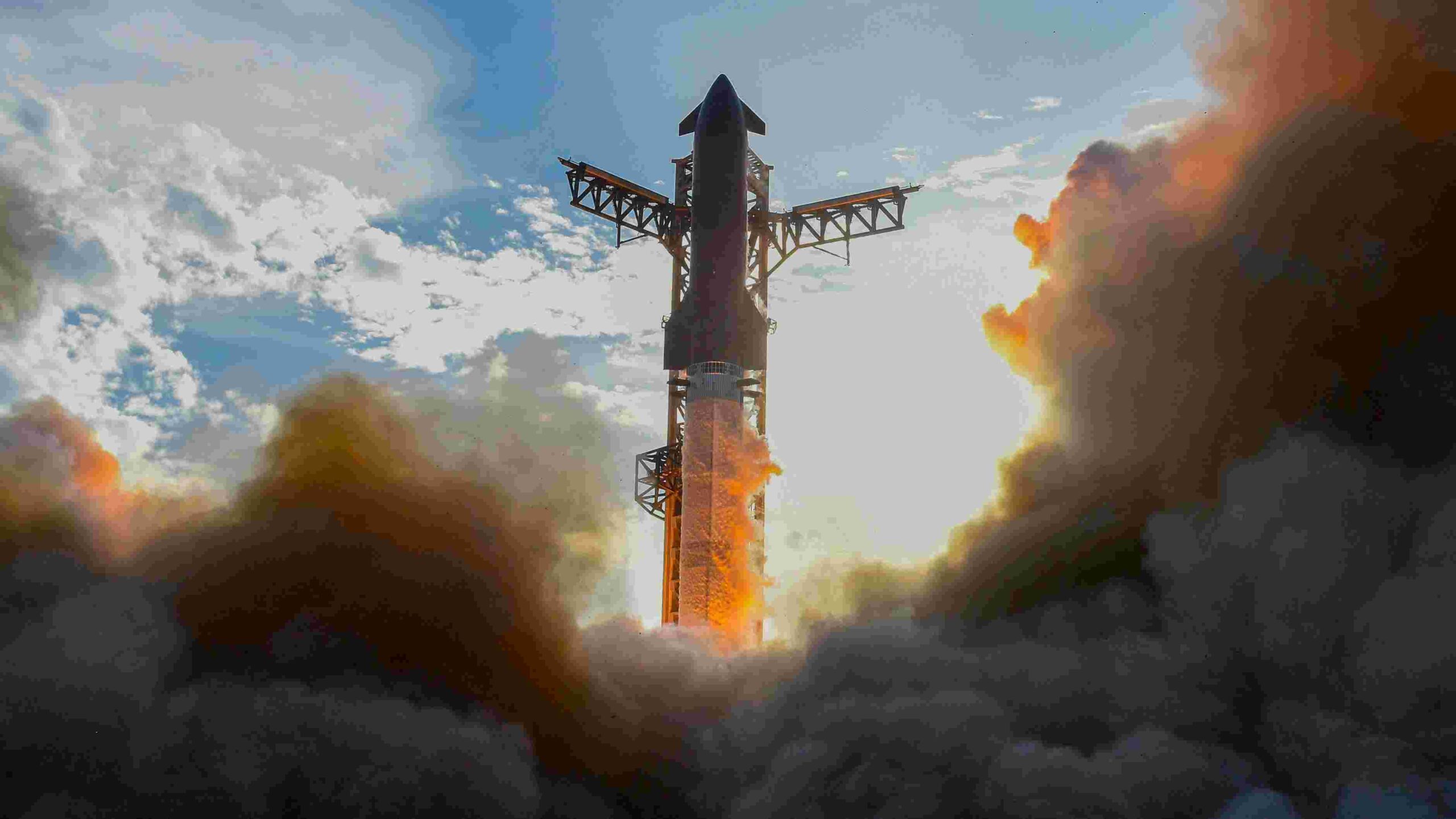
The global space industry is moving at a relentless pace, and the last few days have delivered a wave of high-impact developments. From a dramatic SpaceX Starship test tank failure in Texas, to Blue Origin’s bold entry into the satellite constellation race, and finally to China’s successful recovery of the Shenzhou 20 spacecraft, these stories together paint a vivid picture of an industry defined by ambition, risk, and rapid innovation.
In this in-depth, we break down what really happened, why it matters, and how it could shape the future of spaceflight.
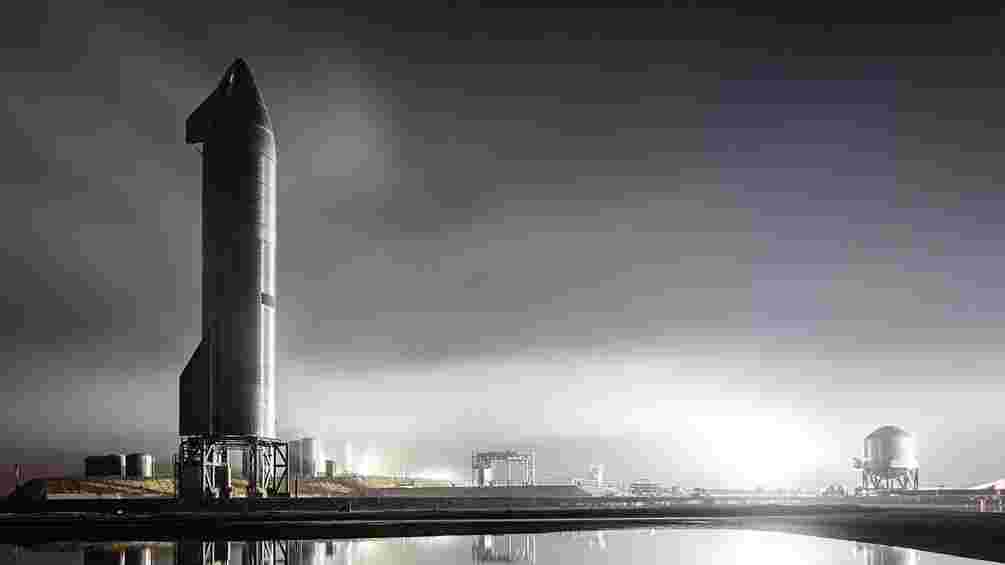
SpaceX Remains in Preparation Mode for Starship Flight 12
SpaceX is still firmly in the preparation phase for Starship Flight 12, and progress has been noticeably methodical rather than rushed. As of now, Ship 39 (S39) and Booster 19 (B19) have not yet rolled out for major testing activities.
The reason behind this cautious pace lies primarily with the Massie test facility, which is currently operating at near maximum capacity. Instead of flight hardware, SpaceX has prioritized a suite of specialized test tanks designed to validate the latest Starship V3 design upgrades.
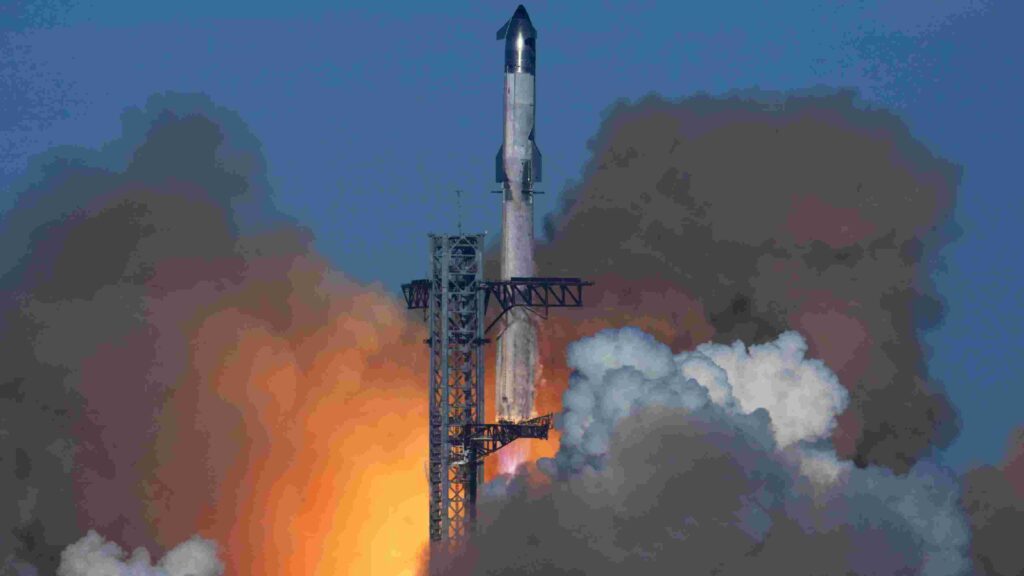
The Massie Test Site: Proving Ground for Starship V3
Three Critical Test Tanks Under Evaluation
At present, the Massie site is hosting three separate test tanks:
- B18.1 (Test Tank 17)
- B18.3
- S39.1
These tanks are not scheduled for flight, but they play an essential role in validating structural pressure limits, staging modifications, and load distribution changes planned for Starship’s next evolution.
In effect, Massie has become a full-scale laboratory where SpaceX stress-tests ideas before committing them to operational vehicles.
The January 20 Incident: What Went Wrong with B18.3?
A Visible Structural Failure
On the evening of January 20, test tank B18.3 experienced a dramatic failure during what appeared to be a high-pressure test, possibly a crush test.
Video footage and images show hardware rupturing near the common dome, followed by violent venting of pressurized gas. The failure was sudden, loud, and visually striking.
Why B18.3 Was Unique
Unlike conventional tanks, B18.3 featured a hot-staging configuration. On top of this, SpaceX added two extra structural rings, likely to simulate complex pressure and load scenarios experienced during stage separation.
This configuration allowed engineers to push the tank into previously untested stress regimes.
Structural Limits Were Reached—and Exceeded
Based on available evidence, the structural limits of B18.3 were intentionally or unintentionally exceeded. The pressure source appears to have originated from the two-ring section above the common dome, potentially combined with localized pressurization strategies.
When the tank finally failed, the rapid decompression produced the dramatic venting seen in the footage.
While alarming at first glance, such failures often indicate that a test successfully reached its objective—finding the breaking point.
Concerns Over Starship V3 Structural Integrity
Despite this, the incident has raised renewed concerns about the Starship V3 architecture.
Echoes of Earlier Failures
Observers quickly drew comparisons to an earlier B18 test, where:
- The liquid oxygen tank was torn apart
- The methane tank collapsed inward, resembling a crushed can
Those failures demonstrated just how unforgiving structural testing can be, and they remain fresh in the minds of Starship watchers.
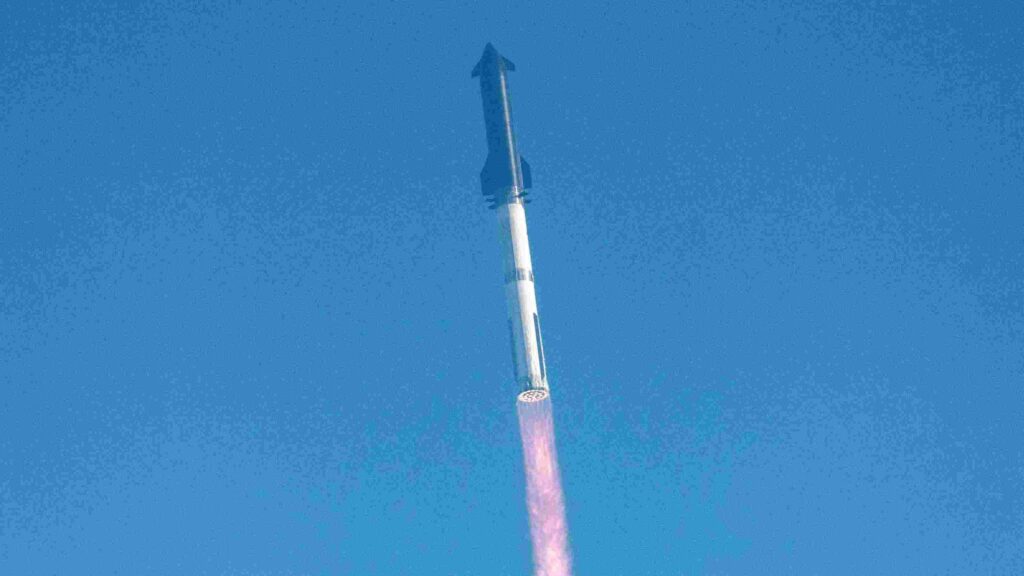
Post-Failure Analysis: What the Damage Reveals
Close-up images of B18.3 after the incident show a significant tear at the failure site. The damage is localized but severe, confirming that the tank cannot be reused in its current state.
An Unexpected Weak Point?
Many analysts believe the test focused on the hot-staging configuration, not the lower section of the tank. Yet it was precisely this lower area that failed.
This raises a critical question:
If a non-primary test component failed, what happens when it becomes the main focus?
This unusual behavior suggests the failure deserves deeper investigation.
Could This Delay Starship Flight 12?
If the failure was unintentional, SpaceX may need to:
- Reinspect S39 and B19
- Conduct additional structural reinforcements
- Perform extra validation and stress testing
Given the importance of these vehicles to Flight 12, any added testing could result in schedule delays.
The Alternative View: A Deliberate Push Beyond Limits
Not all interpretations are negative.
SpaceX’s Philosophy: Test to Failure
Many analysts believe SpaceX intentionally pushed B18.3 beyond its design limits. This approach aligns perfectly with the company’s philosophy of rapid iteration through aggressive testing.
Notably, reports suggest that four rings below the common dome were not pressurized, an unusual choice that hints at targeted stress testing rather than a full-system evaluation.
Why Targeted Pressurization Matters
By pressurizing specific sections only, engineers can:
- Simulate ascent and staging pressure environments
- Observe localized deformation behavior
- Identify hidden structural weaknesses
In this context, failure is not a setback—it’s valuable data.
What Happens Next for B18.3?
Regardless of intent, B18.3 can no longer remain at Massie. The tank will either:
- Be transported back for possible repairs
- Or be scrapped entirely
A Silver Lining: Space Opens Up
Once removed, B18.3 frees up critical test stand space, potentially allowing:
- Ship 39
- Booster 19
to move in for their own testing campaigns. Supporting this possibility, test stands have already been relocated to the Sanchez site, signaling preparation for the next phase.
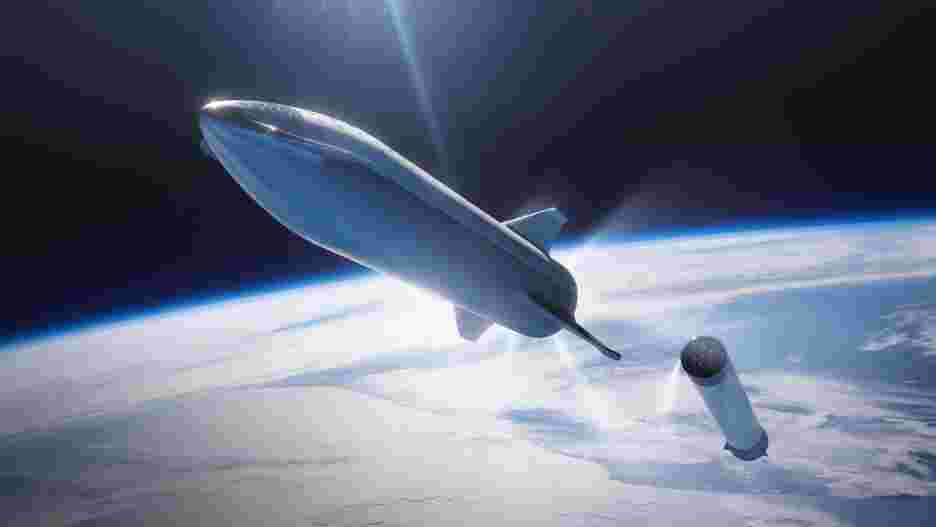
Blue Origin Enters the Satellite War with Terrowave
Shifting gears, Blue Origin has unveiled a major new initiative—a satellite constellation called Terrowave.
A Direct Challenger to Starlink
Terrowave is designed to deliver extremely high-capacity, symmetrical connectivity aimed at:
- Enterprise customers
- Data centers
- Government agencies
Blue Origin claims the system could achieve up to 6 terabits per second, immediately drawing industry attention.
Terrowave Constellation Architecture Explained
The planned constellation includes 5,408 satellites, broken down as follows:
- 5,280 satellites in Low Earth Orbit (LEO)
- 128 satellites in Medium Earth Orbit (MEO)
Performance Highlights
- LEO RF links: Up to 144 Gbps using Q and V bands
- MEO optical links: Multi-terabit point-to-point connections
- Symmetrical bandwidth: Equal upload and download speeds
This sets Terrowave apart from most current systems.
Who Is Terrowave Really For?
Unlike Starlink, which targets consumers, Terrowave is positioned as a fiber-alternative for high-end users.
Blue Origin emphasizes:
- Redundancy
- Route diversity
- Rapid scalability
CEO Dave Limp has highlighted the importance of a multi-orbit architecture for real-time operations and massive data transfers.
Can Blue Origin Catch Up to Starlink?
The Competitive Landscape
Terrowave enters a crowded market dominated by:
- SpaceX Starlink
- Amazon Project Kuiper
- China’s Guowang constellation
Starlink already boasts thousands of satellites and millions of users worldwide.
Elon Musk Responds
Elon Musk responded to comparisons between Terrowave and Starlink by stating that Starlink’s space-to-ground laser links will exceed 6 Tbps, reinforcing SpaceX’s confidence.
Blue Origin suggests Terrowave may eventually serve around 100,000 customers, a far smaller scale than Starlink’s ambitions.
The Launch Bottleneck Question
A major unknown remains launch capacity.
Blue Origin’s New Glenn rocket has yet to demonstrate the flight cadence needed to deploy a constellation of this size, placing Terrowave’s timeline under scrutiny.
Constellation construction is currently targeted for late 2027.
China’s Shenzhou 20 Returns Safely After Orbital Scare
Ending on a positive note, China’s Shenzhou 20 spacecraft has returned safely after a mission marked by serious concerns.
Damage from Orbital Debris
Earlier in the mission, Shenzhou 20 was struck by space debris, causing a small crack in a viewport window.
As a precaution:
- Astronauts returned aboard Shenzhou 21
- Shenzhou 20 was repaired and cleared for uncrewed re-entry
A Landmark Recovery Operation
The capsule landed successfully at the Dongfeng landing site in Inner Mongolia, marking several firsts:
- First winter landing at Dongfeng
- No helicopters used
- Drones and unmanned ground vehicles handled recovery
Because the capsule was uncrewed, the main parachute did not auto-detach, posing a wind-drag risk. Ground teams manually secured the vehicle.
Why This Mission Matters
Post-landing inspections confirmed:
- Exterior damage was limited
- Internal systems remained fully functional
The mission highlights:
- Growing dangers from orbital debris
- The importance of robust contingency planning
- The need for international cooperation in space safety
Final Thoughts: Progress Through Pressure
From SpaceX’s high-risk testing philosophy, to Blue Origin’s ambitious satellite plans, to China’s disciplined recovery operations, one theme is clear:
Modern spaceflight advances by confronting risk head-on.
The B18.3 failure may ultimately represent progress, not regression, while Terrowave signals a future of intense competition in orbit. Meanwhile, Shenzhou 20’s safe return reminds us that resilience matters as much as innovation.
FAQs
1. What happened during the Starship B18.3 test at the Massie facility?
The Starship B18.3 test tank suffered a structural failure during a high-pressure test at SpaceX’s Massie site. The failure occurred near the common dome, causing a rapid release of pressurized gas and visible damage to the tank.
2. Was the B18.3 test tank part of an upcoming Starship flight?
No. B18.3 was a non-flight test article used to validate Starship V3 structural and hot-staging upgrades. It was never intended to fly.
3. What is a hot-staging configuration and why is it important?
Hot staging allows the upper stage to ignite its engines before full separation from the booster. This improves performance but introduces significant structural and thermal stresses, making extensive ground testing essential.
4. Why did SpaceX add extra rings to the B18.3 test tank?
The additional rings were likely installed to simulate specific load and pressure conditions experienced during staging events, allowing engineers to test structural behavior under extreme scenarios.
5. Did the B18.3 failure indicate a flaw in Starship V3?
Not necessarily. While the failure raised concerns, it may also indicate that SpaceX successfully identified the structural limits of the design—an expected outcome in aggressive testing campaigns.
6. Could this incident delay Starship Flight 12?
It depends on the findings. If the failure reveals broader structural issues, Ship 39 and Booster 19 may require additional inspections and stress tests, potentially delaying Flight 12.
7. Why does SpaceX intentionally test hardware to failure?
SpaceX follows a philosophy of rapid iteration, where pushing hardware beyond its limits helps engineers quickly identify weaknesses and improve future designs with real-world data.
8. What will happen to the damaged B18.3 test tank?
B18.3 will likely be removed from the Massie test stand and either transported for potential repairs or scrapped, as it can no longer support further testing in its current condition.
9. How could the removal of B18.3 benefit the Starship program?
Once B18.3 is removed, test stand space becomes available, potentially allowing Ship 39 or Booster 19 to begin their own testing campaigns sooner.
10. What is Blue Origin’s Terrowave satellite constellation?
Terrowave is Blue Origin’s proposed high-capacity satellite communications network, designed to deliver symmetrical, ultra-fast connectivity for enterprise and government users.
11. How many satellites will the Terrowave constellation include?
Terrowave is planned to include 5,408 satellites, with 5,280 in low Earth orbit (LEO) and 128 in medium Earth orbit (MEO).
12. How does Terrowave differ from SpaceX Starlink?
Starlink focuses on consumer broadband, while Terrowave targets enterprise, government, and data-center customers, emphasizing symmetrical bandwidth and multi-orbit resilience.
13. What data speeds is Terrowave expected to deliver?
Blue Origin claims Terrowave could deliver up to 6 terabits per second, using a combination of radio frequency links and optical laser communications.
14. Can Blue Origin deploy Terrowave at scale?
Deployment depends heavily on New Glenn’s launch cadence, which has yet to be demonstrated. Launch capacity remains one of Terrowave’s biggest uncertainties.
15. What issue did China’s Shenzhou 20 spacecraft encounter?
Shenzhou 20 was struck by orbital debris, resulting in a small crack in a viewport window. The crew returned safely on another spacecraft as a precaution.
16. Why is the safe return of Shenzhou 20 important?
The successful recovery demonstrated advanced contingency planning, the use of drones and unmanned vehicles, and highlighted the growing risks of space debris in low Earth orbit.
Read More:
- Where to Buy Tesla Tiny House 2026: Your Complete Guide
- New Tesla Semi Atlas First Look Amazing! Elon Musk LEAK Massive Design Upgrade DON
- Why Starship First Orbital Flight Is even more IMPORTANT than You think
- Tesla analyst claims another vehicle, not Model S and X, should be discontinued
- Rumored SpaceX-xAI merger gets apparent confirmation from Elon Musk
1 thought on “Starship B18.3 Unexpectedly Failed during Testing! BO Unveils Satellite to beat SpaceX Starlink!”