
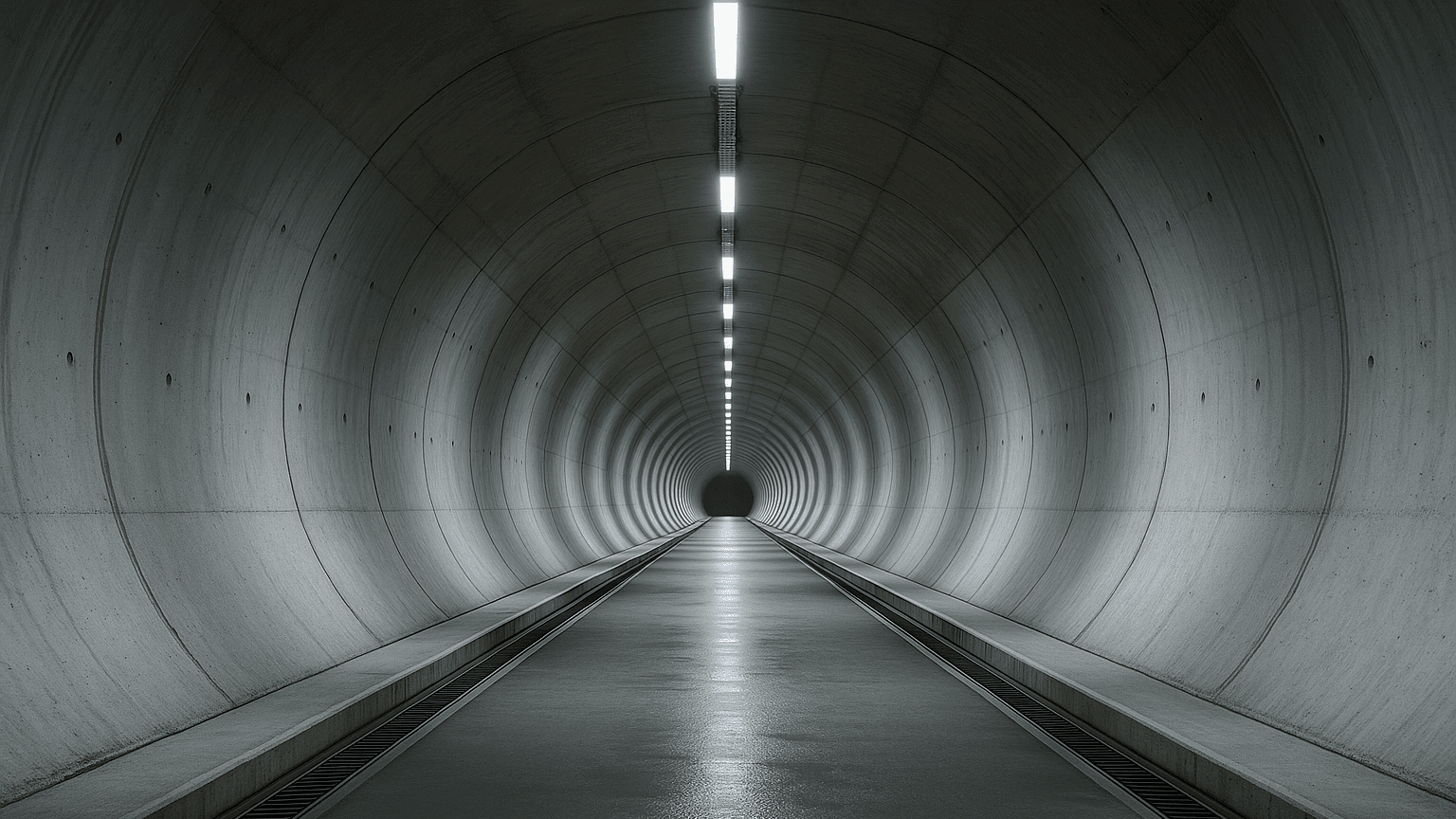
The Boring Company in Nashville: Why Exposed Bedrock is a Game Changer: Urban transportation is undergoing a dramatic transformation, and beneath the bustling streets of Nashville, a quiet revolution is taking shape. What might appear to be just another infrastructure project is, in reality, a bold reimagining of how cities can tackle congestion, cost, and construction efficiency all at once. The Music City Loop, spearheaded by Elon Musk’s tunneling venture, is not just about moving people faster—it’s about redefining how tunnels themselves are built.
In April 2026, a seemingly simple image revealed something extraordinary: a tunnel carved directly through solid rock, left exposed rather than covered in concrete. This small detail signals a major leap forward in engineering philosophy and could reshape the future of underground transit systems across the globe.
A New Era of Urban Transportation
Cities around the world are struggling with increasing traffic congestion, longer commute times, and aging infrastructure. Traditional solutions—like expanding roads or building elevated transit systems—often come with high costs, long timelines, and significant disruption to daily life.
The Music City Loop offers a different approach: move transportation underground in a faster, cheaper, and more efficient way.
This 13-mile underground transit network is designed to connect three of Nashville’s most important hubs:
- Nashville International Airport (BNA)
- Downtown and Lower Broadway
- West End Avenue
The goal is simple yet ambitious: reduce travel time between the airport and downtown to just 10 minutes. For a city known for traffic bottlenecks, especially during peak hours and major events, this could be a game-changing improvement.
The “Great Rock” Advantage
At the heart of this innovation lies a concept that challenges decades of tunneling norms—exposed bedrock walls.
Traditionally, tunnels are lined with thick concrete segments to ensure structural integrity and safety. However, in Nashville’s case, engineers encountered strong, stable natural rock formations that made such reinforcement largely unnecessary.
Why Exposed Bedrock Matters
1. Reduced Reinforcement Needs
Natural bedrock provides inherent structural strength. By relying on the earth itself, engineers can eliminate or significantly reduce the need for concrete linings. This not only simplifies the construction process but also reduces material usage.
2. Faster Excavation
In conventional tunneling, progress is often slowed by the need to install concrete segments after each section is dug. With exposed rock, tunneling machines can continue moving forward with fewer interruptions, dramatically increasing speed.
3. Lower Costs
Concrete and steel are among the most expensive components of tunnel construction. By minimizing their use, overall project costs drop significantly. This could make underground transit viable for more cities that previously found it financially out of reach.
The Technology Behind the Project
The success of the Music City Loop depends heavily on advanced tunneling technology. The machines used in this project are part of a new generation designed for efficiency and continuous operation.
Prufrock Series: Compact but Powerful
The tunneling machines powering the project are approximately 150 feet long—much smaller than traditional tunnel boring machines. Despite their compact size, they are highly efficient and engineered for continuous excavation.
Key Features
- Vertical cassette system for streamlined operation
- Conveyor-based debris removal
- Continuous tunneling without frequent stops
Current and Upcoming Machines
Prufrock MB1
- Currently operational in Nashville
- Fully tested under real-world conditions
- Responsible for initial tunnel excavation
Prufrock MB2
- Under construction in Texas
- Expected to join the project soon
- Will enable parallel tunneling, accelerating completion
The use of multiple machines working simultaneously could significantly reduce the time required to complete the entire loop.
How the Music City Loop Works
Unlike traditional subways or trains, the Music City Loop will use electric vehicles operating within dedicated tunnels.
Initial Phase
- Human-driven electric vehicles
- Primarily Model Y units
- Controlled and monitored environment
Future Vision
- Fully autonomous vehicles
- Specialized “Cyber Cabs” or “Roavans”
- Increased efficiency and reduced operational costs
Passengers will essentially travel through underground highways, avoiding surface traffic entirely.
Speed and Efficiency Benefits
One of the most compelling aspects of the project is its potential to drastically reduce travel time.
Airport to Downtown in 10 Minutes
During peak traffic hours, this journey can take significantly longer on surface roads. The underground system eliminates:
- Traffic signals
- Congestion
- Weather-related delays
This level of consistency could transform how residents and visitors navigate the city.
Economic Impact
The Music City Loop is not just a transportation project—it’s an economic catalyst.
Lower Infrastructure Costs
By reducing reliance on expensive materials and speeding up construction, cities can allocate funds more efficiently.
Job Creation
Construction, maintenance, and operations create new employment opportunities.
Tourism Boost
Faster airport connectivity enhances the experience for visitors, making the city more accessible and attractive.
Political Support and Opposition
Like many ambitious infrastructure projects, the Music City Loop has sparked both enthusiasm and concern.
Strong Institutional Support
Key organizations have shown unanimous approval:
- Airport authorities
- Convention center leadership
Their support highlights the project’s potential to improve connectivity and economic growth.
Local Government Concerns
Despite institutional backing, some local officials have raised issues such as:
- Transparency in planning
- Environmental impact
- Long-term sustainability
A non-binding resolution opposing the project reflects these concerns, even though it does not halt progress.
Public Perception and the “Musk Factor”
Public opinion surrounding the project is notably divided. While some view it as a groundbreaking innovation, others remain skeptical.
Interestingly, surveys suggest that support decreases when the project is directly associated with Elon Musk. This highlights how public perception of leadership can influence attitudes toward technological advancements.
Tesla’s Parallel Strategy Above Ground
While tunneling progresses underground, Tesla is simultaneously reshaping its strategy in the electric vehicle market.
The Push for an Affordable EV
To achieve large-scale adoption, Tesla is reportedly exploring a compact SUV priced below its current entry-level offerings.
Expected Features
- Smaller and lighter design
- Lower production costs
- Targeted mass-market appeal
This move aligns with the broader vision of making sustainable transportation accessible to millions of people.
Closing a Chapter: Signature Editions
As Tesla looks toward the future, it is also honoring its past with ultra-limited editions of its flagship vehicles.
What Makes Them Special
Limited Production
- Only a few hundred units available
- High exclusivity
Unique Design Elements
- Custom paint inspired by early models
- Distinctive badges and finishes
Premium Features
- Lifetime charging benefits
- Advanced self-driving capabilities
Ownership Restrictions
To maintain exclusivity, resale is restricted for the first year.
These vehicles represent the brand’s legacy while marking a transition toward a more accessible future.
Why This Project Matters Globally
The implications of the Music City Loop extend far beyond Nashville.
A New Standard for Tunneling
If exposed bedrock construction proves successful, it could:
- Reduce global infrastructure costs
- Accelerate project timelines
- Make underground transit more feasible in various regions
Scalability
Cities with suitable geological conditions could replicate this model, creating efficient transit systems without massive budgets.
Environmental Considerations
While underground transit can reduce surface congestion and emissions, it also raises important environmental questions.
Potential Benefits
- Reduced vehicle emissions due to smoother traffic flow
- Less need for road expansion
- Lower urban noise levels
Concerns
- Impact on underground ecosystems
- Energy consumption during construction
- Long-term sustainability challenges
Balancing these factors will be crucial for the project’s success.
Challenges Ahead
Despite its promise, the Music City Loop faces several hurdles:
- Regulatory approvals
- Public acceptance
- Technical scalability
- Financial sustainability
Addressing these challenges will determine whether the project becomes a global model or a limited experiment.
The Future of Urban Mobility
The Music City Loop represents a shift in how we think about transportation infrastructure. Instead of expanding outward, cities may increasingly look inward—beneath the surface—for smarter solutions.
This approach offers several advantages:
- Minimal disruption to existing urban landscapes
- Faster implementation timelines
- Greater efficiency in densely populated areas
Conclusion
From the exposed bedrock tunnels beneath Nashville to the evolving strategies in electric vehicle production, a broader vision is taking shape—one that blends innovation, efficiency, and scalability.
The decision to leave tunnel walls as natural rock is more than a technical choice; it’s a fundamental shift in infrastructure thinking. It challenges long-standing assumptions and opens the door to faster, cheaper, and more sustainable construction methods.
If successful, the Music City Loop could set a new global benchmark for urban transit systems. It demonstrates that sometimes, the most revolutionary ideas are not about adding more—but about doing less, smarter.
As cities continue to grow and evolve, solutions like this may define the next era of transportation—quietly transforming the world from beneath our feet.
FAQs
1. What is the Music City Loop?
The Music City Loop is a 13-mile underground transportation system designed to connect Nashville International Airport, downtown, and West End Avenue with fast and efficient travel.
2. Who is building the Music City Loop?
The project is being developed by Elon Musk’s The Boring Company, which focuses on innovative tunneling and infrastructure solutions.
3. Why is exposed bedrock important in this project?
Exposed bedrock provides natural structural strength, reducing the need for concrete lining and making construction faster, cheaper, and more efficient.
4. How does exposed bedrock reduce construction costs?
By eliminating large amounts of concrete and steel, the project significantly cuts material and labor costs, making underground transit more financially viable.
5. What technology is used to build the tunnels?
The tunnels are constructed using Prufrock tunnel boring machines, which allow for continuous excavation and faster progress.
6. What is special about Prufrock machines?
Prufrock machines are compact, efficient, and designed for nonstop tunneling, reducing delays and improving overall construction speed.
7. How fast will travel be in the Music City Loop?
The system aims to reduce travel time from the airport to downtown to just 10 minutes, significantly faster than typical road travel.
8. What vehicles will operate inside the tunnels?
Initially, Tesla Model Y vehicles will be used, with plans to transition to fully autonomous Cyber Cabs or Roavans in the future.
9. Will the system be fully autonomous?
Yes, the long-term goal is to introduce fully self-driving vehicles, improving efficiency and reducing operational costs.
10. Is the Music City Loop environmentally friendly?
The project has the potential to reduce traffic congestion and emissions, though there are ongoing discussions about environmental impact and sustainability.
11. What challenges does the project face?
Key challenges include regulatory approvals, public opposition, environmental concerns, and scalability.
12. Why is there public opposition to the project?
Some concerns include lack of transparency, environmental risks, and skepticism about large-scale infrastructure projects.
13. How does this project benefit Nashville’s economy?
It can boost the economy by creating jobs, improving transportation efficiency, and enhancing tourism accessibility.
14. Can this model be used in other cities?
Yes, if successful, the exposed bedrock approach could be replicated in cities with suitable geological conditions, reducing costs globally.
15. What is Tesla’s role beyond the tunnel system?
Tesla provides the electric vehicles used in the loop and is also working on affordable EVs to expand mass-market adoption.
16. Why is the Music City Loop considered a game changer?
It introduces a new approach to tunneling and urban transport, combining lower costs, faster construction, and improved efficiency, potentially redefining how cities build infrastructure.
Read More:
- Tesla is sending its humanoid Optimus robot to the Boston Marathon
- Elon Musk reveals shocking Tesla Optimus patent detail
- Tesla Q1 Earnings: What Elon Musk and Co. will answer during the call
- SpaceX wins its first MARS contract but it comes with a catch
- Blue Origin Failed to Deploy Payload after Booster Landing, WHY! Lunar Lander Mission Delayed!?